
Contents
Overview
William II's lineage was steeped in the House of Orange's long-standing influence over the Dutch Republic. He was the son of Frederick Henry, Prince of Orange, and Amalia of Solms-Braunfels, a formidable political operator in her own right. His grandfather, William the Silent, had been the architect of Dutch independence, a legacy that William II felt compelled to uphold and, perhaps, surpass. He was educated in the traditions of the House of Orange, which often favored a more centralized, monarchical style of governance, a stark contrast to the decentralized, republican ideals championed by powerful figures within the States-General. His early military career saw him gain experience under his father's command, participating in campaigns during the Eighty Years' War against Spain. This military background would later inform his audacious, and ultimately disastrous, political maneuvers.
⚙️ How It Works
William II's role as Stadtholder was less about a rigid administrative structure and more about wielding significant political and military influence within the United Provinces. As Stadtholder, he was the de facto head of state and commander-in-chief of the Dutch forces. However, his power was constantly checked by the States-General, a powerful assembly of representatives from the seven provinces, particularly the wealthy province of Holland, which was dominated by republican interests. His attempts to consolidate power, such as his clandestine negotiations with France and his ill-fated siege of Amsterdam, demonstrate a pragmatic, albeit aggressive, approach to governance. He sought to leverage his military authority to enforce his political will, a strategy that proved to be his undoing in the complex web of Dutch republican politics.
📊 Key Facts & Numbers
William II's reign, though short, was packed with significant events and numbers. During his tenure, the Peace of Münster was signed, officially ending the Eighty Years' War, a conflict that had raged for decades and involved immense financial and human cost for the Dutch Republic. His attempt to seize Amsterdam involved a substantial military force for the era. His son, William III, would later become King of England, Scotland, and Ireland, a pivotal moment in Anglo-Dutch relations.
👥 Key People & Organizations
The primary figures surrounding William II were those who both supported and opposed his ambitions. His father, Frederick Henry, Prince of Orange, had established a strong foundation of power and prestige for the House of Orange, which William II inherited. Amalia of Solms-Braunfels, his mother, was a shrewd political player who actively worked to secure his future. On the opposing side, Johan De Witt, a prominent Grand Pensionary of Holland, emerged as William II's most significant political rival. De Witt championed republican ideals and fiercely resisted any attempts to reintroduce monarchical power. Other key figures included members of the States-General and military commanders who were either loyal to William II or aligned with the republican faction, such as Cornelis de Groot, who played a role in the failed Amsterdam coup.
🌍 Cultural Impact & Influence
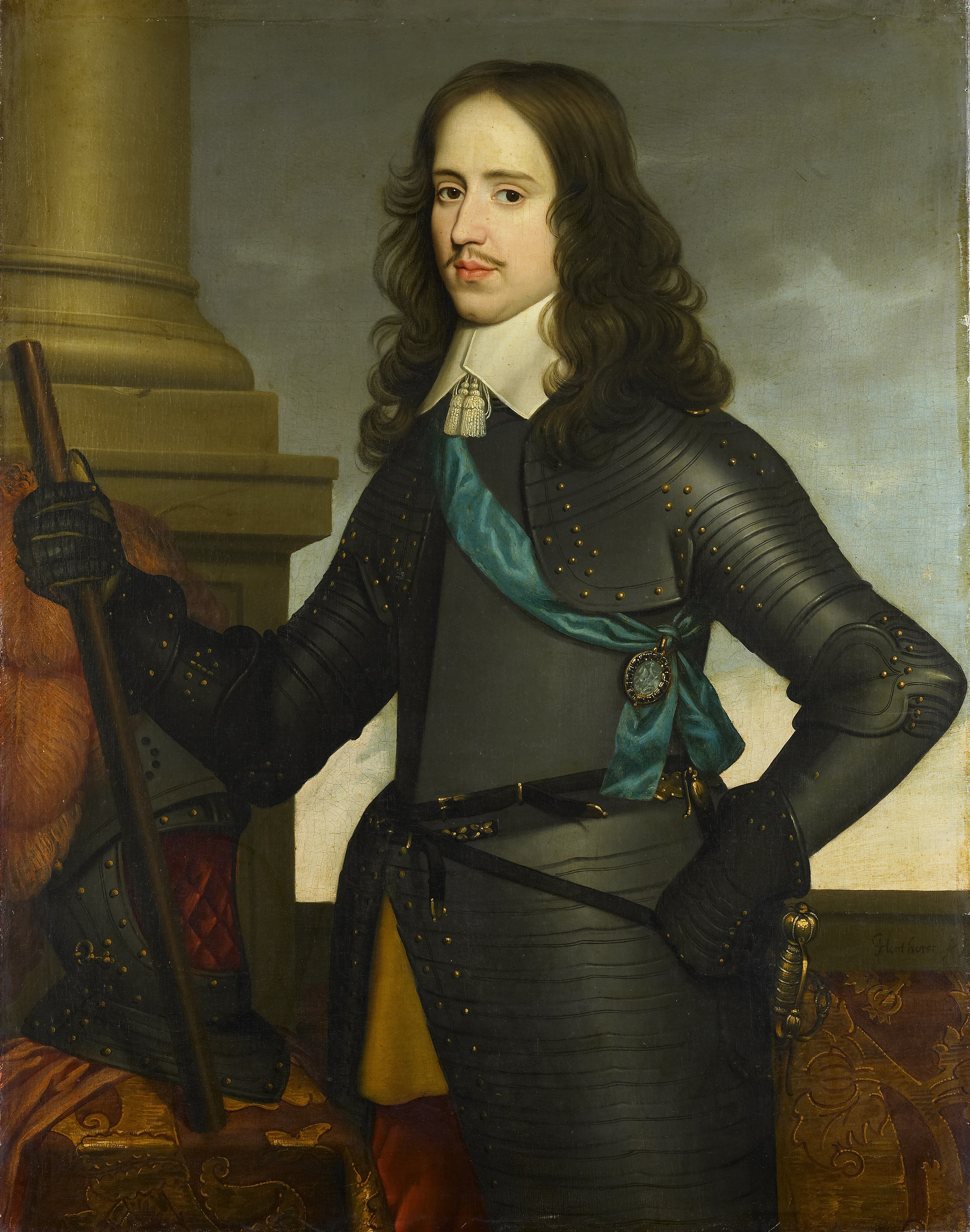
William II's brief but dramatic life left an indelible mark on Dutch history, primarily by ushering in the First Stadtholderless Period. This era saw a significant shift in political power away from the House of Orange and towards the republican oligarchy, most notably under the leadership of Johan De Witt. His ambition and his ultimate failure to consolidate monarchical power served as a cautionary tale for future leaders. Furthermore, his son, William III, would later become a crucial figure in English history, co-reigning with his wife Mary II after the Glorious Revolution, thus linking the Dutch House of Orange directly to the English monarchy and significantly influencing European politics for decades. The print titled "William II of Orange" from 1641, housed at the National Gallery of Art, serves as a visual artifact of his era.
⚡ Current State & Latest Developments
As of 2024, William II of Orange remains a subject of historical study, particularly concerning his role in the transition from war to peace in the Dutch Republic and his impact on the subsequent Stadtholderless Period. His legacy is often debated in the context of Dutch republicanism versus monarchical aspirations. While no new political developments directly involve William II himself, his historical narrative continues to be explored through academic research, historical documentaries, and popular history books that examine the complex political dynamics of the Dutch Golden Age. The ongoing scholarly interest in the House of Orange and the Dutch Republic ensures his story remains relevant.
🤔 Controversies & Debates
The most significant controversy surrounding William II revolves around his monarchical ambitions and his aggressive tactics. Critics, primarily from the republican faction led by Johan De Witt, accused him of attempting to overthrow the established republican government and re-establish a hereditary monarchy. His clandestine negotiations with France and his military coup attempt against Amsterdam in 1650 are central to this debate. Supporters, often aligned with the House of Orange, argue that he was merely trying to secure the traditional rights and influence of his family and the stadtholderate, which they viewed as essential for the stability and strength of the Republic. The debate centers on whether his actions were a legitimate assertion of princely authority or a dangerous overreach that threatened the very foundations of the Dutch Republic.
🔮 Future Outlook & Predictions
The future outlook for William II's historical narrative lies in continued scholarly re-evaluation of his reign within the broader context of European absolutism versus republicanism. As historians delve deeper into archival materials and employ new analytical frameworks, a more nuanced understanding of his motivations and the political pressures he faced may emerge. His story serves as a compelling case study in the tensions between hereditary power and representative government. The enduring legacy of his son, William III of England, as a key figure in both Dutch and English history, will likely continue to draw attention to William II's formative role and the political environment that shaped him. Future scholarship might also explore the role of his mother, Amalia of Solms-Braunfels, more extensively as a political strategist.
💡 Practical Applications
While William II himself is not a subject of direct practical application in modern times, his life and reign offer valuable lessons in political strategy, leadership, and the consequences of ambition. His attempts to consolidate power and his clashes with the republican establishment provide case studies for understanding the dynamics of political power struggles. The military aspects of his career, though dated, can still be analyzed from a historical perspective on warfare and siege tactics during the 17th century. Furthermore, his role in the transition to the Stadtholderless Period highlights the fragility of political systems and the impact of individual actions on national trajectories, offering insights for contemporary political science and history.
Key Facts
- Category
- history
- Type
- topic