
Contents
Overview
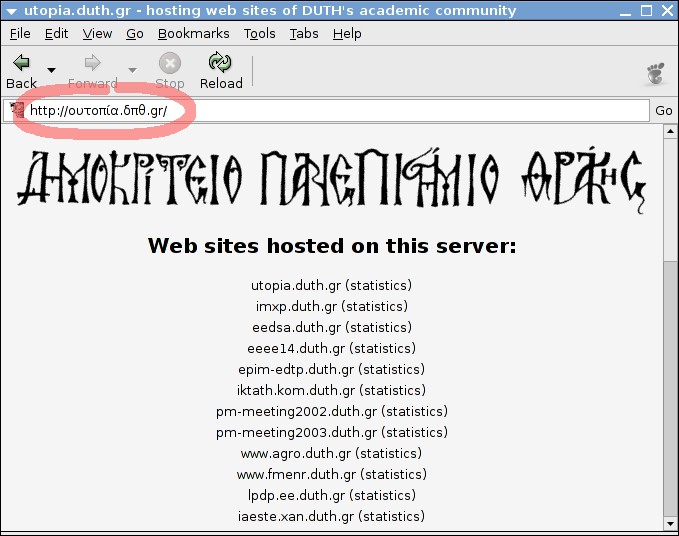
A domain name is a unique string of characters that identifies a website or online resource, allowing users to access it via the internet. It is a crucial part of the Domain Name System (DNS), which translates human-readable names into IP addresses that computers can understand. With the rise of internationalized domain names (IDNs), domain names can now be registered in non-Latin scripts, such as Chinese, Arabic, or Cyrillic, expanding the internet's reach to a broader global audience. The domain name system has evolved to include various top-level domains (TLDs), such as com, org, and net. The introduction of IDNs has further expanded the possibilities for domain name registration, allowing for the use of non-Latin scripts and characters. For instance, Google and Facebook are two of the most popular domain names, with millions of users accessing their websites every day.
🌐 Origins & History
The concept of domain names dates back to the early days of the internet, when the need for a user-friendly way to identify and access online resources arose. The domain name system has evolved to include various top-level domains (TLDs), such as com, org, and net, as well as country-code TLDs (ccTLDs) like cn for China and ru for Russia. The introduction of IDNs has further expanded the possibilities for domain name registration, allowing for the use of non-Latin scripts and characters. For example, xn--fiqs8s is an IDN that translates to '.china' in Chinese characters.
⚙️ How It Works
The process of registering a domain name involves several steps, including choosing a unique name, selecting a TLD, and paying the registration fee. The registration process is typically handled by a registrar, such as GoDaddy or Namecheap, which verifies the availability of the desired name and ensures that it does not infringe on existing trademarks or copyrights. Once registered, the domain name is stored in the DNS, which performs a lookup service to translate the name into an IP address. This process is crucial for the functioning of the internet, as it allows users to access websites and online resources using easy-to-remember names instead of difficult-to-remember IP addresses. For instance, Cloudflare provides a range of DNS services, including domain name registration and management.
📊 Key Facts & Numbers
The domain name system has evolved to include various top-level domains (TLDs), such as com, org, and net. The introduction of IDNs has further expanded the possibilities for domain name registration, allowing for the use of non-Latin scripts and characters. ICANN works with various stakeholders, including registrars, registries, and governments, to ensure the stability and security of the DNS.
👥 Key People & Organizations
Key people and organizations involved in the development and management of domain names include the Internet Engineering Task Force (IETF), which develops and maintains the technical standards for the internet, and the World Intellectual Property Organization (WIPO), which provides a framework for resolving domain name disputes. For instance, IETF has developed various protocols, such as DNS, to ensure the smooth functioning of the internet.
🌍 Cultural Impact & Influence
The cultural impact of domain names is significant, as they have enabled individuals and organizations to establish an online presence and communicate with a global audience. The use of IDNs has also expanded the internet's reach to a broader global audience, allowing people to access online resources in their native languages. However, the use of domain names has also raised concerns about trademark infringement, copyright violation, and cybercrime. As the internet continues to evolve, the importance of domain names will only continue to grow, making it essential for individuals, businesses, and organizations to understand the basics of domain name registration and management. For example, Wikipedia has a vast collection of articles on domain names and related topics.
⚡ Current State & Latest Developments
The current state of domain names is characterized by a high level of competition and innovation, with new TLDs and IDNs being introduced regularly. The use of blockchain technology and artificial intelligence is also being explored to improve the security and efficiency of the DNS. For instance, Google has developed various security features, such as Google Domains, to protect domain name owners from cyber threats.
🤔 Controversies & Debates
Controversies surrounding domain names include trademark infringement, copyright violation, and cybercrime. The use of IDNs has also raised concerns about the potential for confusion and abuse. To address these concerns, the Uniform Domain-Name Dispute-Resolution Policy (UDRP) provides a framework for resolving domain name disputes. For instance, ICANN has implemented the UDRP to protect intellectual property rights.
🔮 Future Outlook & Predictions
The future outlook for domain names is promising, with the increasing demand for online presence and the growing importance of digital identity. The use of blockchain technology and artificial intelligence is expected to improve the security and efficiency of the DNS, making it easier for individuals and organizations to register and manage domain names. As the internet continues to evolve, the importance of domain names will only continue to grow, making it essential for individuals, businesses, and organizations to understand the basics of domain name registration and management. For example, Amazon has developed various services, such as Amazon Route 53, to provide a secure and reliable DNS service.
💡 Practical Applications
Practical applications of domain names include establishing an online presence, communicating with a global audience, and protecting intellectual property rights. Individuals and organizations can use domain names to create websites, blogs, and social media profiles, and to establish a professional online identity. The use of IDNs can also help to expand the internet's reach to a broader global audience, allowing people to access online resources in their native languages. For instance, Facebook has a vast collection of domain names, including facebook.com, to provide a global online presence.
Key Facts
- Category
- technology
- Type
- concept