
Contents
Overview
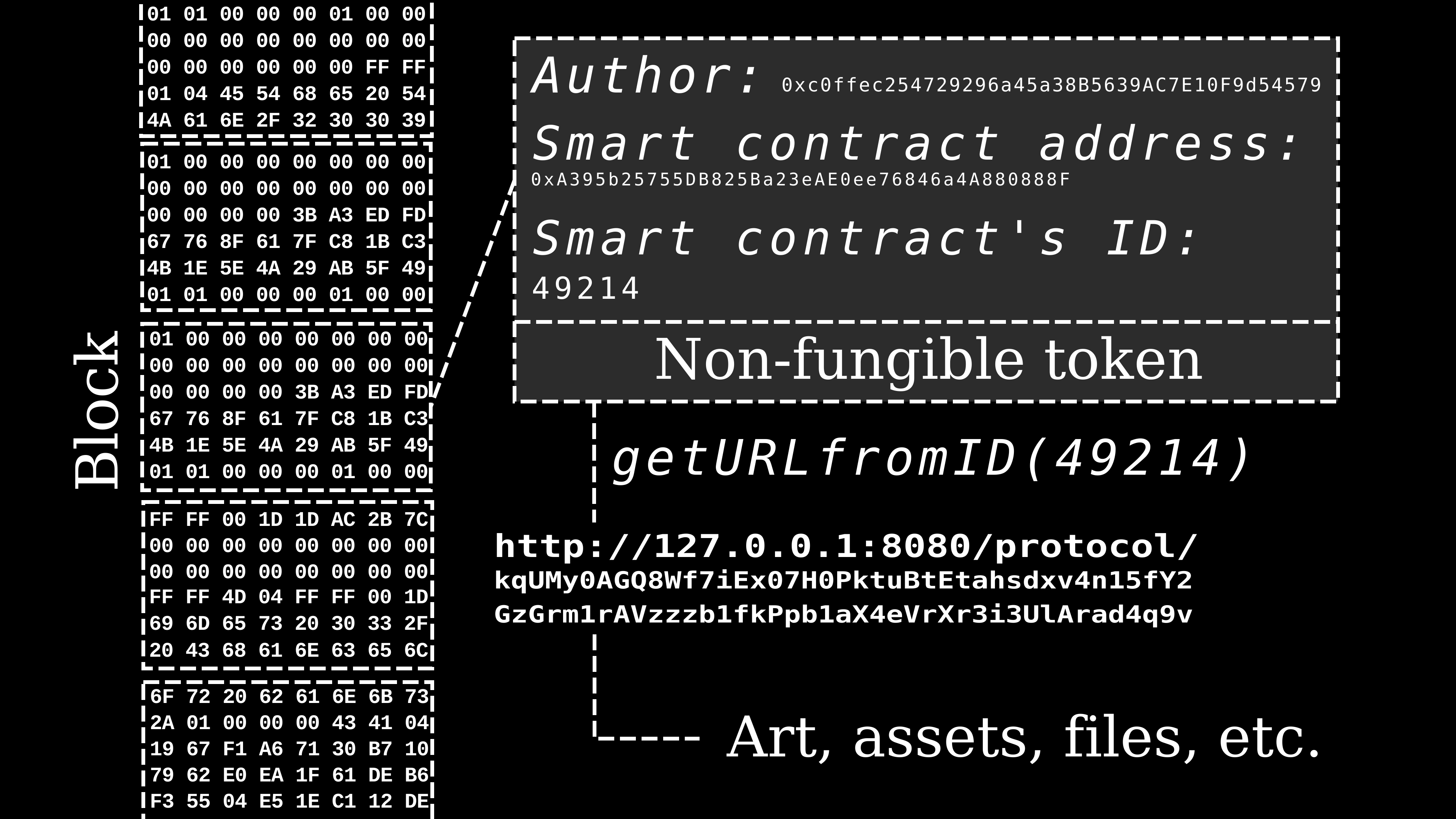
A non-fungible token (NFT) is a unique digital identifier recorded on a blockchain, used to certify ownership and authenticity of digital assets such as artworks, photos, videos, and audio. NFTs differ from cryptocurrencies due to their unique identifiability, making them non-interchangeable and verifiable. The majority of NFTs are being traded on Ethereum-based platforms. The use of NFTs is expanding beyond the art world, with applications in gaming, music, and virtual events.
🎨 Origins & History
NFTs have been used to represent a wide range of digital assets, including digital art, music, and virtual real estate, with platforms like Superare and Decentraland leading the way.
⚙️ How It Works
The use of blockchain technology ensures that NFTs are secure, transparent, and tamper-proof. For example, the NFT marketplace OpenSea uses Ethereum blockchain to facilitate the buying and selling of NFTs, while Rarible uses Polygon blockchain.
📊 Key Facts & Numbers
The NFT market has experienced significant growth, but also faced criticism and controversy. Some argue that NFTs are a form of speculation or a Ponzi scheme.
👥 Key People & Organizations
Key people and organizations in the NFT space include notable organizations such as OpenSea and Rarible. These individuals and organizations have played a significant role in shaping the NFT market and promoting its growth.
🌍 Cultural Impact & Influence
NFTs have had a significant cultural impact, with many artists and creators using them to monetize their digital work. However, the environmental impact of NFTs has also been a topic of controversy.
⚡ Current State & Latest Developments
As of 2023, the NFT market is still evolving, with new platforms and use cases emerging. The use of NFTs is expanding beyond the art world, with applications in gaming, music, and virtual events.
🤔 Controversies & Debates
One of the main controversies surrounding NFTs is their potential for speculation and market volatility. However, proponents of NFTs argue that they can be used to support artists and creators.
🔮 Future Outlook & Predictions
Looking to the future, it is likely that NFTs will continue to play an important role in the digital art and collectibles market. However, the market will need to address concerns around speculation, market volatility, and environmental impact in order to achieve long-term sustainability.
💡 Practical Applications
NFTs have a wide range of practical applications, from digital art and collectibles to gaming and virtual events. They can be used to represent ownership of unique digital assets.
Section 11
The NFT market is expected to continue evolving, with new platforms and use cases emerging.
Key Facts
- Category
- technology
- Type
- concept