
Contents
Overview
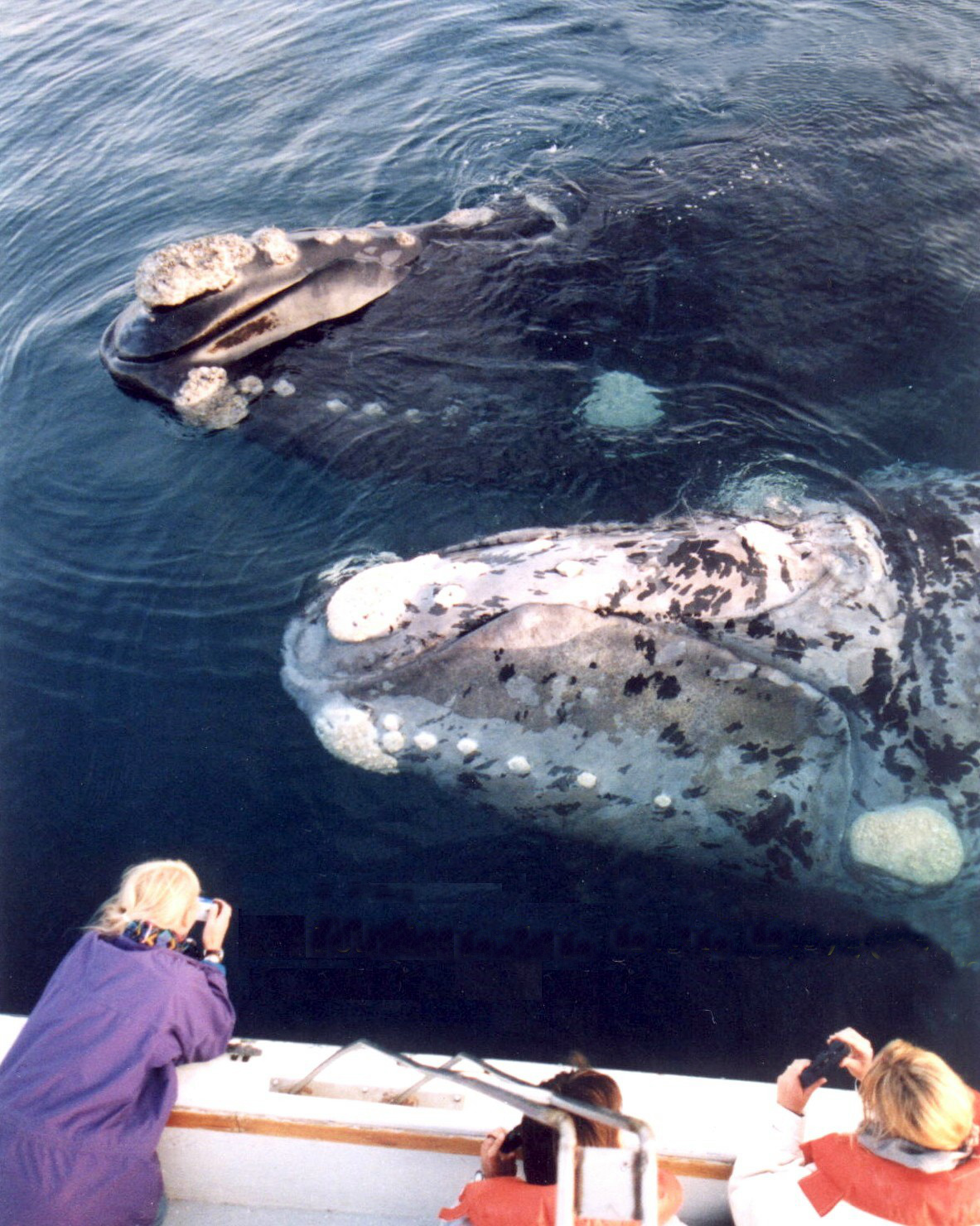
Whale watching tours are excursions designed for the public to observe cetaceans—whales, dolphins, and porpoises—in their natural marine environments. This recreational activity, akin to birdwatching, has burgeoned into a significant global tourism sector, generating billions of dollars annually and employing thousands. Originating from a desire to appreciate marine life without harm, it stands in contrast to the whaling industry, sparking ongoing debates about resource utilization. The practice involves specialized vessels, trained guides, and adherence to guidelines aimed at minimizing disturbance to the animals, offering educational and awe-inspiring encounters that connect millions to the ocean's giants.
🎵 Origins & History
Former whalers began offering trips to observe migrating gray whales off the coast of California. The shift from viewing whales as a resource to be harvested to a spectacle to be admired marked a profound cultural pivot.
⚙️ How It Works
A typical whale watching tour operates from a dedicated vessel, ranging from small speedboats to large catamarans, captained by experienced mariners familiar with cetacean migratory patterns and behavior. Passengers are briefed on safety protocols and guidelines for responsible viewing, often including instructions on maintaining a safe distance and avoiding disruptive actions. Guides, typically marine biologists or naturalists, provide commentary on the species encountered, their biology, and conservation status, enriching the educational aspect. The success of a tour hinges on locating whales, which often involves tracking recent sightings, understanding oceanographic conditions, and employing specialized equipment like hydrophones to detect whale vocalizations. The goal is to offer an immersive experience while ensuring minimal impact on the animals' natural behaviors, a delicate balance managed through strict regulations in many regions.
📊 Key Facts & Numbers
The global whale watching industry has seen significant growth, with millions of participants and substantial economic contributions. Countries like Iceland and Norway, historically whaling nations, now derive substantial income from whale watching. The Marine Mammal Protection Act of 1972 in the United States, while primarily a conservation law, also set the stage for regulated whale watching by defining protected species and establishing viewing guidelines.
👥 Key People & Organizations
Key figures in the development of whale watching include scientists and conservationists who advocated for marine mammal protection, indirectly fostering the industry. Organizations like the International Fund for Animal Welfare (IFAW) and the Whale and Dolphin Conservation (WDC) have been instrumental in promoting responsible practices and advocating for protective legislation. Commercial operators, such as those in Kaikoura, New Zealand, and companies like Hermanus Whale Cruises in South Africa, have pioneered tour operations. The Marine Mammal Protection Act of 1972 in the United States, while primarily a conservation law, also set the stage for regulated whale watching by defining protected species and establishing viewing guidelines.
🌍 Cultural Impact & Influence
Whale watching tours have profoundly influenced public perception and engagement with marine conservation. By offering direct encounters with majestic creatures like humpback whales and blue whales, these tours foster a sense of wonder and connection to the ocean, often inspiring participants to become advocates for marine protection. Whale watching has become a significant economic driver for coastal communities, providing an alternative to potentially destructive industries and highlighting the economic value of living marine resources, as seen in the transformation of towns like St. Andrews, New Brunswick from fishing villages to eco-tourism hubs.
⚡ Current State & Latest Developments
The whale watching industry continues to expand, with new destinations and tour operators emerging globally. There is a growing emphasis on sustainable and low-impact operations, with many companies investing in electric or hybrid vessels and adopting stricter codes of conduct. The rise of citizen science initiatives, where tourists can contribute data on sightings and animal behavior via mobile apps, is also becoming more prevalent. However, the industry faces challenges from increasing vessel traffic, potential for habitat disruption, and the impacts of climate change on whale migration patterns and food availability. Regulatory bodies are continuously updating guidelines to address these evolving issues, aiming to balance tourism growth with robust conservation efforts.
🤔 Controversies & Debates
A central controversy in whale watching revolves around the potential for disturbance to cetaceans. Critics argue that even with regulations, the presence of numerous vessels can alter feeding, breeding, and migratory behaviors, potentially leading to stress or injury. The debate intensifies when comparing whale watching with whaling, with proponents of whale watching arguing it demonstrates a more sustainable and economically beneficial use of whales as a resource. Conversely, some indigenous communities maintain cultural and subsistence rights related to whaling, creating complex ethical and political tensions. The effectiveness and enforcement of viewing guidelines, such as minimum approach distances mandated by regulations like the Marine Mammal Protection Act, are also subjects of ongoing debate and scrutiny.
🔮 Future Outlook & Predictions
The future of whale watching is intrinsically linked to the health of marine ecosystems and the success of global conservation efforts. As climate change continues to impact ocean temperatures and currents, whale migration routes may shift, requiring tour operators to adapt their locations and timing. There's a projected increase in demand for 'eco-certified' tours that demonstrate a commitment to sustainability and minimal environmental impact. Advances in technology, such as drone observation and improved hydrophone systems, could offer new ways to study and appreciate whales with even less direct disturbance. The industry's long-term viability will depend on its ability to adapt to these environmental changes and maintain public and regulatory support for responsible practices.
💡 Practical Applications
Whale watching tours serve as a powerful tool for environmental education and conservation advocacy. They provide direct, tangible experiences that can foster a deeper appreciation for marine life and the importance of ocean health, motivating individuals to support conservation initiatives and make more sustainable choices in their daily lives. Beyond recreation, the data collected by tour operators and citizen scientists contributes valuable insights to marine mammal research, aiding in population assessments, migration studies, and understanding the impacts of human activities and environmental changes on cetaceans. Economically, whale watching offers a sustainable alternative to resource extraction industries, providing livelihoods for coastal communities and demonstrating the economic value of preserving marine biodiversity.
Key Facts
- Category
- vibes
- Type
- topic