
Contents
Overview
The genesis of dedicated whale watching in Iceland can be traced back to the late 1980s and early 1990s, a period when global awareness of marine conservation began to rise. While sporadic sightings and informal tours likely occurred earlier, the formal establishment of commercial operations began to take shape around 1990. Early pioneers, often local fishermen with intimate knowledge of the waters, recognized the potential of showcasing Iceland's rich marine biodiversity to a growing ecotourism market. The town of Húsavík, situated in Skjálfandi Bay, quickly emerged as the 'whale watching capital of Iceland,' with companies like North Sailing (founded in 1995) being among the first to offer dedicated tours. This marked a significant shift from Iceland's historical reliance on whaling, positioning the country as a destination for appreciating, rather than harvesting, these marine mammals. The initial growth was fueled by increasing international interest in responsible wildlife tourism and Iceland's unique natural appeal.
⚙️ How It Works
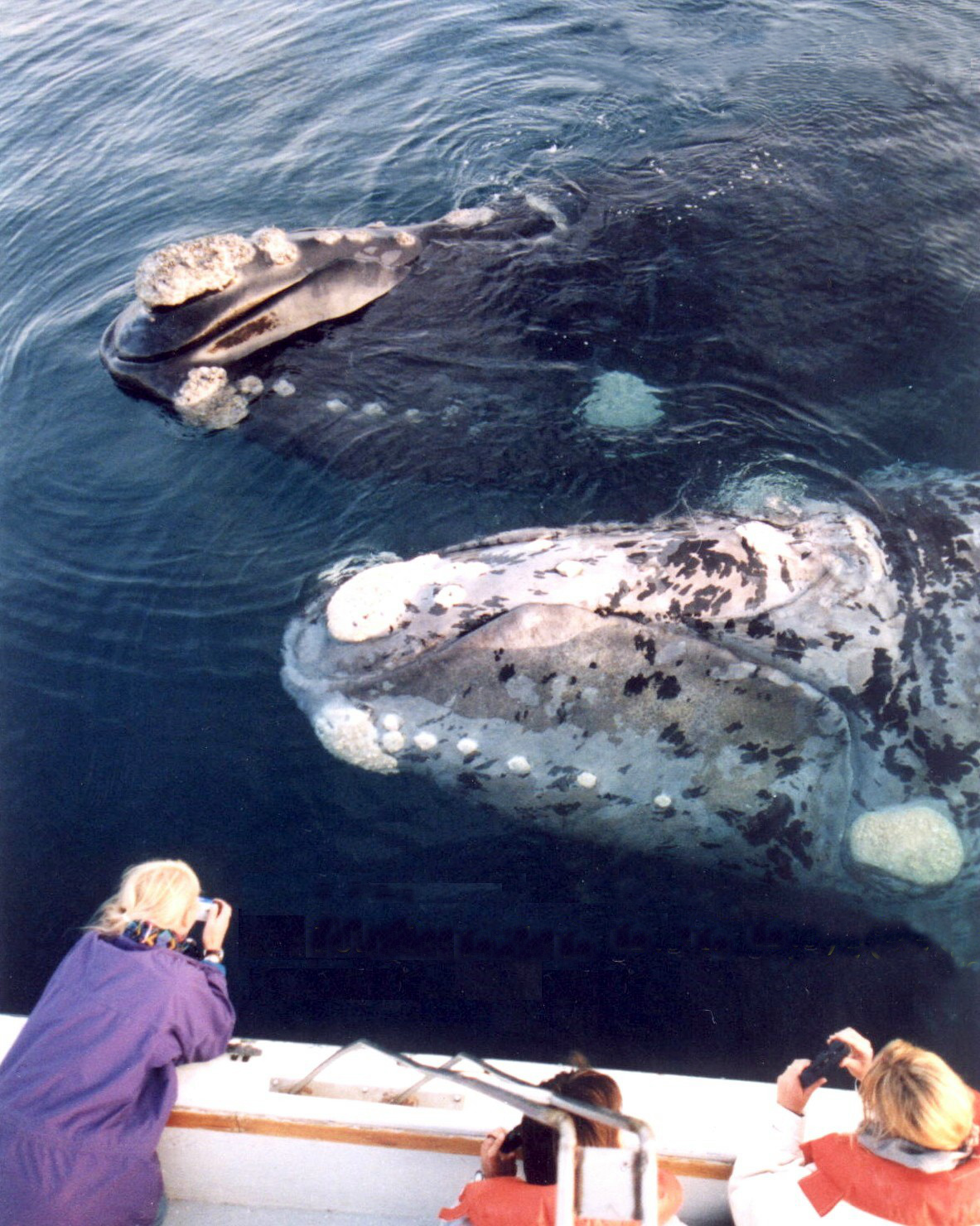
Whale watching tours in Iceland typically operate from various coastal towns, with Reykjavík (primarily from Faxaflói Bay) and Húsavík (from Skjálfandi Bay) being the most prominent departure points. Vessels range from traditional oak fishing boats, often refitted for passenger comfort and safety, to modern high-speed RIBs (Rigid Inflatable Boats) and larger catamarans. The tours are guided by experienced captains and naturalists who use their knowledge of whale behavior and migration patterns to locate cetaceans. Common species encountered include minke whales, humpback whales, harbor porpoises, and various species of dolphins. During the summer months, there's even a chance to spot the colossal blue whale, the largest animal on Earth. The tours often involve a combination of cruising and slow-speed observation to minimize disturbance, with guides providing commentary on the animals' biology, behavior, and conservation status. Many operators also adhere to responsible tourism guidelines, such as maintaining safe distances and avoiding sudden movements that could startle the animals.
📊 Key Facts & Numbers
Iceland's whale watching industry sees approximately 300,000 to 400,000 visitors annually, a figure that has seen steady growth since the early 2000s. The peak season generally runs from April to October, with July and August being the busiest months. Over 80% of these visitors are international tourists. The economic impact is substantial, with whale watching tours contributing an estimated $100 million USD annually to Iceland's tourism sector. Húsavík alone hosts around 100,000 visitors per year for whale watching. Species sightings are remarkably high; for instance, tours from Húsavík report sighting success rates of over 90% during the summer season. Minke whales are the most frequently sighted species, appearing in an estimated 80% of tours, followed by humpback whales at around 50%. The average tour duration is between 3 to 4 hours, with prices typically ranging from $70 to $150 USD per person. These tours operate from at least 15 different ports around Iceland.
👥 Key People & Organizations
Several key organizations and individuals have shaped the whale watching landscape in Iceland. North Sailing, founded by brothers Guðmundur and Jónas Ásbjörnsson in Húsavík in 1995, is a pioneering company that has championed sustainable practices, including the use of hybrid-electric boats to reduce emissions. The Whale Museum in Húsavík plays a crucial role in educating the public, complementing the on-the-water experience. Organizations like the Icelandic Whale Watching Association (Íslenska hvalaskoðunarfélagið) work to promote responsible tourism standards and represent the interests of operators. Researchers such as Dr. Marianne R. Rasmussen from the Marine and Freshwater Research Institute have conducted vital studies on Icelandic cetacean populations, providing data that informs conservation and tour operations. While no single individual dominates the industry, the collective efforts of these operators, researchers, and conservationists have been instrumental.
🌍 Cultural Impact & Influence
The rise of whale watching has significantly influenced Iceland's cultural identity and its perception on the global stage. It has transformed coastal communities, like Húsavík, from traditional fishing villages into vibrant tourism hubs. The practice has fostered a deeper appreciation for marine life among both locals and visitors, contributing to a national narrative that increasingly emphasizes conservation and natural heritage over historical industries like whaling. This shift is reflected in media portrayals and educational curricula, with whale watching tours often featuring prominently in documentaries and travelogues about Iceland. The visual spectacle of whales against Iceland's dramatic landscapes has become an iconic image, boosting Iceland's brand as an ecotourism destination. The industry's success has also inspired similar ventures in other parts of the world, solidifying Iceland's position as a leader in responsible marine wildlife tourism.
⚡ Current State & Latest Developments
As of 2024, the whale watching industry in Iceland continues to thrive, with operators increasingly focusing on sustainability. Many companies are investing in hybrid-electric or fully electric vessels to minimize their environmental footprint, a trend particularly strong in Húsavík. There's also a growing emphasis on educational content, with guides providing more in-depth information about whale biology, conservation challenges, and the impact of climate change on marine ecosystems. The industry is also adapting to changing tourism patterns post-pandemic, with a focus on smaller group tours and personalized experiences. Furthermore, collaborations between tour operators and marine research institutions are becoming more common, facilitating citizen science initiatives and contributing to long-term monitoring of whale populations in areas like Faxaflói Bay and Skjálfandi Bay.
🤔 Controversies & Debates
The primary controversy surrounding whale watching in Iceland revolves around its coexistence with the country's continued whaling activities. Critics argue that promoting whale watching while simultaneously engaging in commercial whaling sends a mixed message and can potentially harm the image of Iceland as a responsible destination. There are also ongoing debates about the potential impact of increased boat traffic and noise pollution on whale behavior, breeding patterns, and feeding habits, particularly in popular areas like Faxaflói Bay. While most operators adhere to strict guidelines set by the Icelandic Whale Watching Association, ensuring a minimum distance of 100 meters from whales, concerns persist about cumulative effects. Some environmental groups advocate for stricter regulations or even a complete ban on commercial whaling to align with the conservation ethos promoted by whale watching.
🔮 Future Outlook & Predictions
The future of whale watching in Iceland appears to be strongly tied to sustainability and technological innovation. Expect continued investment in eco-friendly vessels and potentially even autonomous observation technologies to reduce human disturbance. As climate change impacts marine ecosystems, tour operators may need to adapt to shifting whale migration patterns and species distribution, potentially leading to new tour routes or seasonal adjustments. There's also a growing potential for integration with other ecotourism activities, such as puffin watching and Northern Lights tours, creating more comprehensive nature experiences. Furthermore, advancements in underwater drone technology could offer new ways to observe whales without direct surface vessel presence, though ethical considerations will be paramount.
💡 Practical Applications
Whale watching in Iceland serves multiple practical purposes beyond recreation. It is a significant economic driver, generating substantial revenue for coastal communities and supporting
Key Facts
- Category
- nature
- Type
- topic