
Contents
- 🌱 Origins & History
- 🧘♀️ How It Works
- 📊 Key Facts & Numbers
- 👥 Key People & Organizations
- 🌍 Cultural Impact & Influence
- ⚡ Current State & Latest Developments
- 🤔 Controversies & Debates
- 🔮 Future Outlook & Predictions
- 💡 Practical Applications
- 📚 Related Topics & Deeper Reading
- Frequently Asked Questions
- References
- Related Topics
Overview
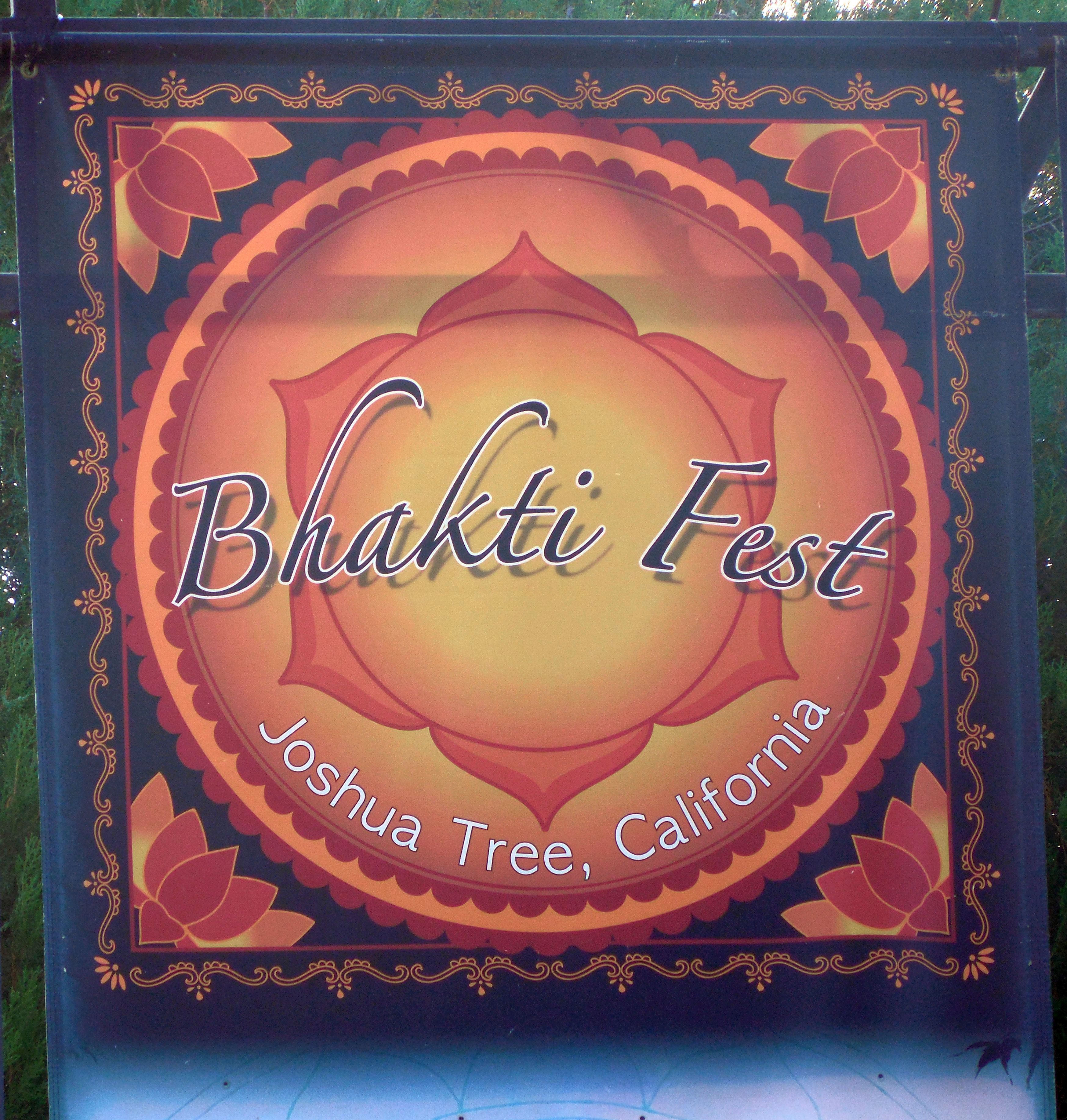
Wellness workshops are interactive sessions focused on promoting mental and physical well-being through various practices such as yoga, meditation, and mindfulness. These workshops often incorporate elements of spirituality, nutrition, and community building, aiming to provide participants with tools and techniques to enhance their overall quality of life. With the rise of the wellness industry, workshops have become increasingly popular, offering a space for individuals to connect with like-minded people and explore different approaches to health and self-care. Organizations like Bhakti Fest and Yoga International have been instrumental in promoting wellness workshops, bringing together renowned instructors and thought leaders in the field. As the demand for holistic wellness solutions continues to grow, wellness workshops are likely to play an even more significant role in shaping the future of the wellness industry, with influencers like Deepak Chopra and Gabby Bernstein leading the charge.
🌱 Origins & History
Wellness workshops have their roots in ancient spiritual practices, with modern adaptations incorporating elements of psychology, nutrition, and fitness. The concept of wellness workshops gained momentum in the 1960s and 1970s, with the rise of the counterculture movement and the emergence of Esalen Institute as a hub for holistic learning. Today, wellness workshops can be found in various settings, from yoga studios and spas to corporate offices and online platforms, with companies like Calm and Headspace offering guided meditation and mindfulness sessions.
🧘♀️ How It Works
A typical wellness workshop may include a combination of lectures, group discussions, and interactive exercises, such as yoga, meditation, or breathwork. Participants may also engage in creative activities like art, music, or writing, as a means of expressing themselves and tapping into their creative potential. Workshops often focus on specific themes, such as stress management, self-care, or mindfulness, and may be led by experienced instructors or thought leaders in the field, including Marianne Williamson and Eckhart Tolle.
📊 Key Facts & Numbers
The wellness industry has experienced significant growth in recent years, with the global market projected to reach $5.5 trillion by 2025, according to a report by Grand View Research. Wellness workshops have played a crucial role in this growth, with many organizations offering workshops and retreats as a way to promote holistic well-being and community building. For example, Omega Institute offers a range of workshops and programs focused on topics like mindfulness, meditation, and yoga, while Kripalu Center provides workshops and retreats focused on yoga, mindfulness, and personal growth.
👥 Key People & Organizations
Key people and organizations in the wellness workshop space include Deepak Chopra, a renowned author and speaker on mindfulness and wellness, and Yoga International, a leading online platform for yoga and wellness content. Other notable organizations include Bhakti Fest, a yoga and music festival that features workshops and classes on various aspects of wellness, and Wellness Travel, a company that offers wellness-focused travel experiences and workshops, partnering with experts like Andrew Weil.
🌍 Cultural Impact & Influence
Wellness workshops have had a significant cultural impact, with many people incorporating wellness practices into their daily lives. The rise of the wellness industry has also led to increased awareness and discussion around topics like mental health, self-care, and mindfulness, with influencers like Gabby Bernstein and Marie Forleo using their platforms to promote wellness and self-care. However, some critics have argued that the wellness industry has become overly commercialized, with some workshops and products being marketed as quick fixes or luxury items, rather than genuinely holistic solutions, sparking debates with experts like Mark Hyman and Daniel Siegel.
⚡ Current State & Latest Developments
The current state of wellness workshops is one of growth and diversification, with many new organizations and instructors entering the market. There is also a growing trend towards online workshops and virtual events, with platforms like Zoom and Google Meet making it easier for people to access wellness content from anywhere in the world. However, this shift has also raised concerns about the quality and effectiveness of online workshops, with some critics arguing that they lack the depth and community of in-person experiences, a topic of discussion among experts like Esther Perel and Brené Brown.
🤔 Controversies & Debates
One of the main controversies surrounding wellness workshops is the issue of cultural appropriation, with some critics arguing that Western wellness practices are often rooted in Eastern spiritual traditions without proper understanding or respect. There is also debate around the commercialization of wellness, with some arguing that the industry has become overly focused on profit rather than genuinely promoting holistic well-being, a concern shared by experts like Adrienne Maree Brown and Resmaa Menakem.
🔮 Future Outlook & Predictions
Looking to the future, wellness workshops are likely to continue to evolve and adapt to changing societal needs and technological advancements. There may be a growing focus on virtual and online workshops, as well as increased emphasis on community building and social connection. As the wellness industry continues to grow, it is likely that wellness workshops will play an even more significant role in promoting holistic well-being and self-care, with thought leaders like Charles Eisenstein and Paul Hawken shaping the conversation.
💡 Practical Applications
Wellness workshops have a wide range of practical applications, from stress management and self-care to personal growth and spiritual development. They can be used in various settings, including corporate offices, schools, and community centers, and can be tailored to meet the specific needs and goals of participants. For example, Google and Facebook have incorporated wellness workshops into their employee wellness programs, while University of California offers wellness workshops as part of its student wellness initiatives, partnering with experts like Dan Siegel and Tara Brach.
Key Facts
- Year
- 2020
- Origin
- Global
- Category
- culture
- Type
- concept
Frequently Asked Questions
What is a wellness workshop?
A wellness workshop is an interactive session focused on promoting mental and physical well-being through various practices such as yoga, meditation, and mindfulness. These workshops often incorporate elements of spirituality, nutrition, and community building, aiming to provide participants with tools and techniques to enhance their overall quality of life. For example, Omega Institute offers a range of workshops and programs focused on topics like mindfulness, meditation, and yoga, while Kripalu Center provides workshops and retreats focused on yoga, mindfulness, and personal growth.
What are the benefits of attending a wellness workshop?
The benefits of attending a wellness workshop include reduced stress, improved mental clarity, and enhanced overall well-being. Workshops can also provide a sense of community and connection with like-minded individuals, as well as access to expert instruction and guidance. According to a study by National Institutes of Health, mindfulness and meditation practices have been shown to have a positive impact on both physical and mental health, with experts like Dan Siegel and Tara Brach advocating for their inclusion in wellness programs.
How can I find a wellness workshop near me?
You can find a wellness workshop near you by searching online for local yoga studios, wellness centers, or community organizations that offer workshops and classes. You can also check websites like Eventbrite or Meetup for upcoming events and workshops in your area. Additionally, many wellness workshops are now offered online, making it easier to access them from anywhere in the world, with platforms like Zoom and Google Meet making it possible to connect with experts like Esther Perel and Brené Brown.
What is the difference between a wellness workshop and a yoga class?
A wellness workshop is a more comprehensive and interactive experience that may include a range of practices and activities, such as meditation, breathwork, and group discussions. A yoga class, on the other hand, is typically a more structured and physically-focused practice, although some yoga classes may incorporate elements of wellness and mindfulness. According to Yoga International, a wellness workshop can provide a more holistic approach to wellness, incorporating elements of nutrition, spirituality, and community building, with experts like Marianne Williamson and Eckhart Tolle leading the way.
Can wellness workshops be adapted for different age groups or abilities?
Yes, wellness workshops can be adapted for different age groups or abilities. Many workshops are designed to be inclusive and accessible, with modifications and accommodations made for participants with physical or mobility limitations. Some workshops may also be specifically designed for certain age groups, such as children or seniors, with experts like Adrienne Maree Brown and Resmaa Menakem advocating for inclusive and accessible wellness practices.
How can I become a wellness workshop leader or instructor?
To become a wellness workshop leader or instructor, you typically need to have a strong background in a relevant field, such as yoga, meditation, or mindfulness. You may also need to complete a training or certification program, and gain experience leading groups or teaching classes. According to Yoga Alliance, many yoga instructors and wellness professionals start by completing a 200-hour yoga teacher training program, and then continue their education and training through workshops and conferences, with experts like Charles Eisenstein and Paul Hawken offering guidance and support.
What is the future of wellness workshops?
The future of wellness workshops is likely to be shaped by technological advancements, changing societal needs, and the growing demand for holistic wellness solutions. There may be a growing trend towards online and virtual workshops, as well as increased emphasis on community building and social connection. According to Grand View Research, the global wellness market is projected to reach $5.5 trillion by 2025, with wellness workshops playing a significant role in this growth, with experts like Mark Hyman and Daniel Siegel leading the way.