
Contents
Overview
The concept of the wellness economy has its roots in the 20th century, gaining momentum alongside the rise of the holistic health movement. Influential figures like Deepak Chopra and organizations such as the World Health Organization have played pivotal roles in shaping public perception around wellness. By the early 2000s, the wellness economy began to crystallize as a distinct sector, with companies like Whole Foods and Peloton leading the charge in promoting health-conscious products and services.
⚙️ How It Works
The wellness economy operates on the principle that health and well-being can be commodified and marketed. This includes a wide array of services such as yoga studios, health coaching, and nutritional supplements, as well as products ranging from organic foods to fitness wearables like Fitbit. The integration of technology, particularly through apps and platforms like Calm and MyFitnessPal, has further propelled this economy, making wellness more accessible and personalized for consumers.
🌍 Cultural Impact
Culturally, the wellness economy has shifted societal attitudes towards health, emphasizing preventative care and self-care practices. Movements such as mindfulness and the rise of social media influencers in the health space, like Kayla Itsines and Joe Wicks, have contributed to a growing awareness of the importance of mental and physical health. This cultural shift has also sparked debates about the commercialization of wellness, with critics arguing that it can lead to exclusionary practices and unrealistic standards.
🔮 Legacy & Future
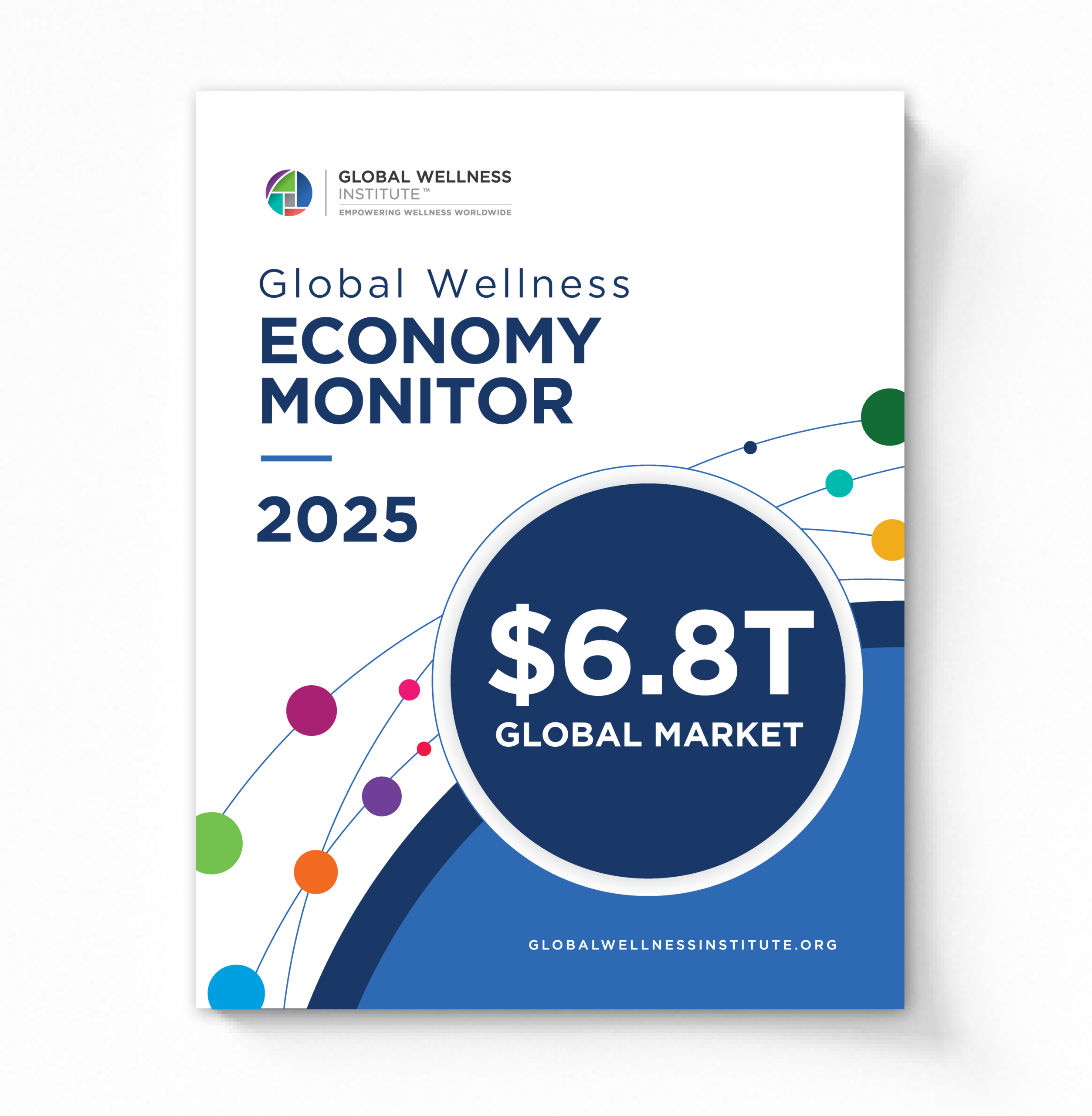
Looking ahead, the wellness economy is poised for continued growth, with projections suggesting it could reach trillions in value by 2025. As more individuals prioritize holistic health, businesses will likely innovate to meet evolving consumer demands. The integration of sustainable practices and mental health awareness will be crucial in shaping the future of this economy, as seen with brands like Lululemon and Headspace, which are increasingly focusing on social responsibility and mental well-being.
Key Facts
- Year
- 2000s-present
- Origin
- Global
- Category
- culture
- Type
- concept
Frequently Asked Questions
What is the wellness economy?
The wellness economy encompasses industries focused on health and well-being, including fitness, nutrition, and mental health services.
How has the wellness economy grown?
It has expanded significantly over the past two decades, driven by consumer demand for health-focused products and services.
Who are key influencers in the wellness economy?
Influencers like Deepak Chopra and fitness personalities such as Kayla Itsines have significantly shaped the wellness landscape.
What are the criticisms of the wellness economy?
Critics argue that the commercialization of wellness can lead to exclusionary practices and unrealistic health standards.
What does the future hold for the wellness economy?
The wellness economy is expected to continue growing, with a focus on sustainability and mental health awareness.