
Contents
Overview
Wellington's history dates back to the 10th century, when Kupe, a renowned Māori explorer, discovered and explored the region. The area was initially settled by Māori iwi such as Rangitāne and Muaūpoko. However, the disruptions of the Musket Wars led to them being overwhelmed by northern iwi such as Te Āti Awa in the early 19th century. The city's current form was originally designed by Captain William Mein Smith, the first Surveyor General for Edward Wakefield's New Zealand Company, in 1840.
🏙️ City Planning & Architecture
The city's unique grid plan, designed by Captain William Mein Smith, has been influenced by various architectural styles, including Victorian and Art Deco. The city is home to many notable landmarks, such as the Wellington Cable Car and the Te Papa Museum. Wellington has also been shaped by its proximity to the Cook Strait and the Remutaka Range, which has made it an important centre for trade and commerce. The city's economy has been influenced by companies such as Air New Zealand and Wellington City Council.
🌟 Cultural Significance
Wellington is a city with a rich cultural scene, with a blend of Māori and European influences. The city is home to many festivals and events, including the Wellington International Arts Festival and the New Zealand Festival. The city is also known for its vibrant music scene, with bands such as Flight of the Conchords and Fat Freddy's Drop hailing from Wellington. The city's cultural significance has been recognized by organizations such as Creative New Zealand and New Zealand Heritage.
📈 Economic & Administrative Hub
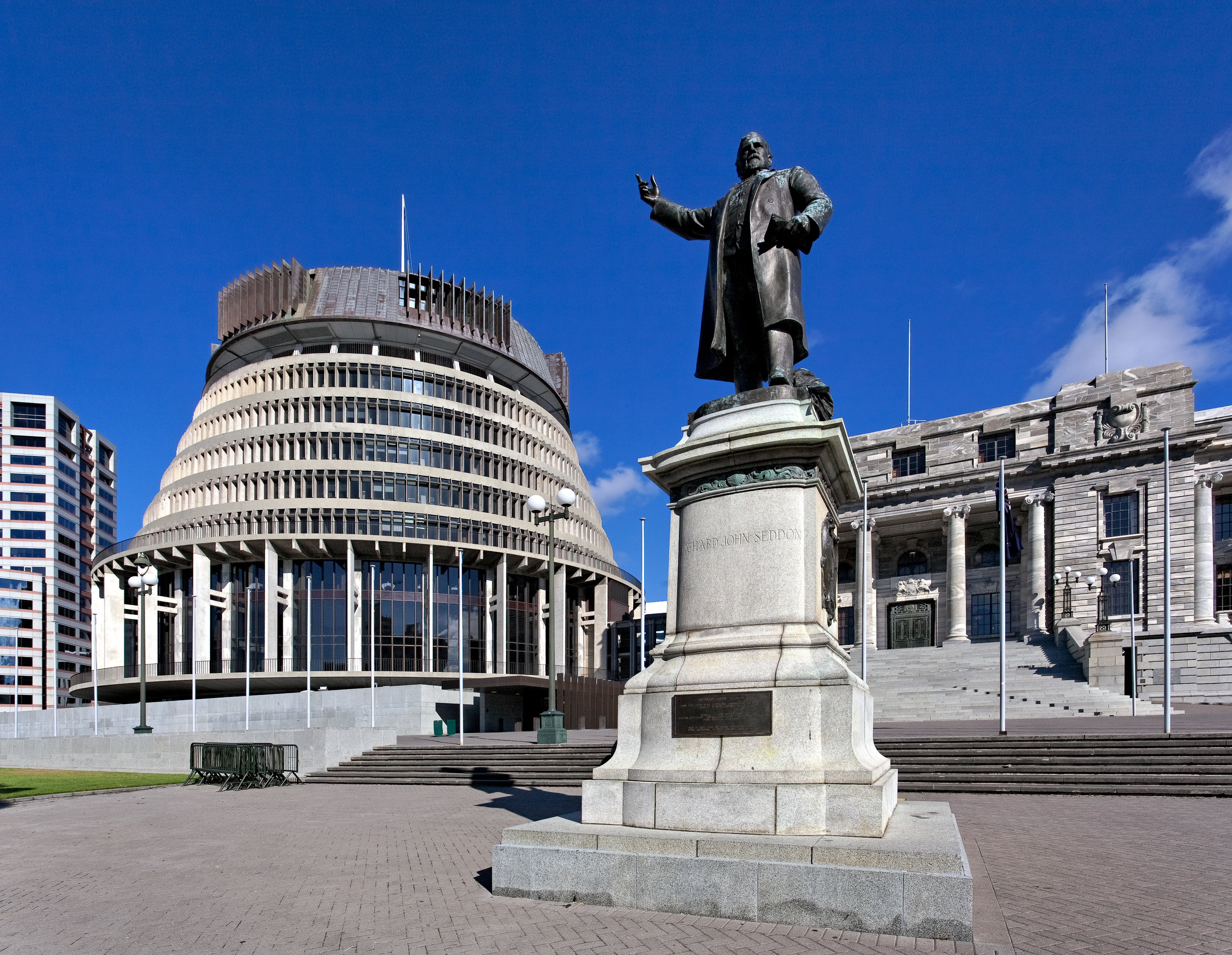
As the administrative centre of the Wellington Region, Wellington is an important hub for government and commerce. The city is home to many government agencies, including the New Zealand Parliament and the Ministry of Business, Innovation and Employment. The city's economy is also driven by industries such as technology and film production, with companies such as Weta Digital and Park Road Post based in Wellington. The city's economic significance has been recognized by organizations such as Wellington Chamber of Commerce and New Zealand Trade and Enterprise.
Key Facts
- Year
- 1840
- Origin
- New Zealand
- Category
- history
- Type
- place
Frequently Asked Questions
Who discovered Wellington?
What is the significance of the city's grid plan?
The city's grid plan, designed by Captain William Mein Smith, has been influenced by various architectural styles, including Victorian and Art Deco. The plan has played a significant role in shaping the city's development and has been recognized by organizations such as New Zealand Heritage.
What is the cultural significance of Wellington?
Wellington is a city with a rich cultural scene, with a blend of Māori and European influences. The city is home to many festivals and events, including the Wellington International Arts Festival and the New Zealand Festival. The city's cultural significance has been recognized by organizations such as Creative New Zealand and New Zealand Heritage.
What is the economic significance of Wellington?
As the administrative centre of the Wellington Region, Wellington is an important hub for government and commerce. The city is home to many government agencies, including the New Zealand Parliament and the Ministry of Business, Innovation and Employment. The city's economy is also driven by industries such as technology and film production, with companies such as Weta Digital and Park Road Post based in Wellington.
What is the role of the New Zealand Company in shaping the city's development?
The New Zealand Company played a significant role in shaping the city's development, with Edward Wakefield as its founder. The company's influence can still be seen in the city's architecture and cultural scene, with many notable landmarks and events attributed to its legacy.