
Contents
Overview
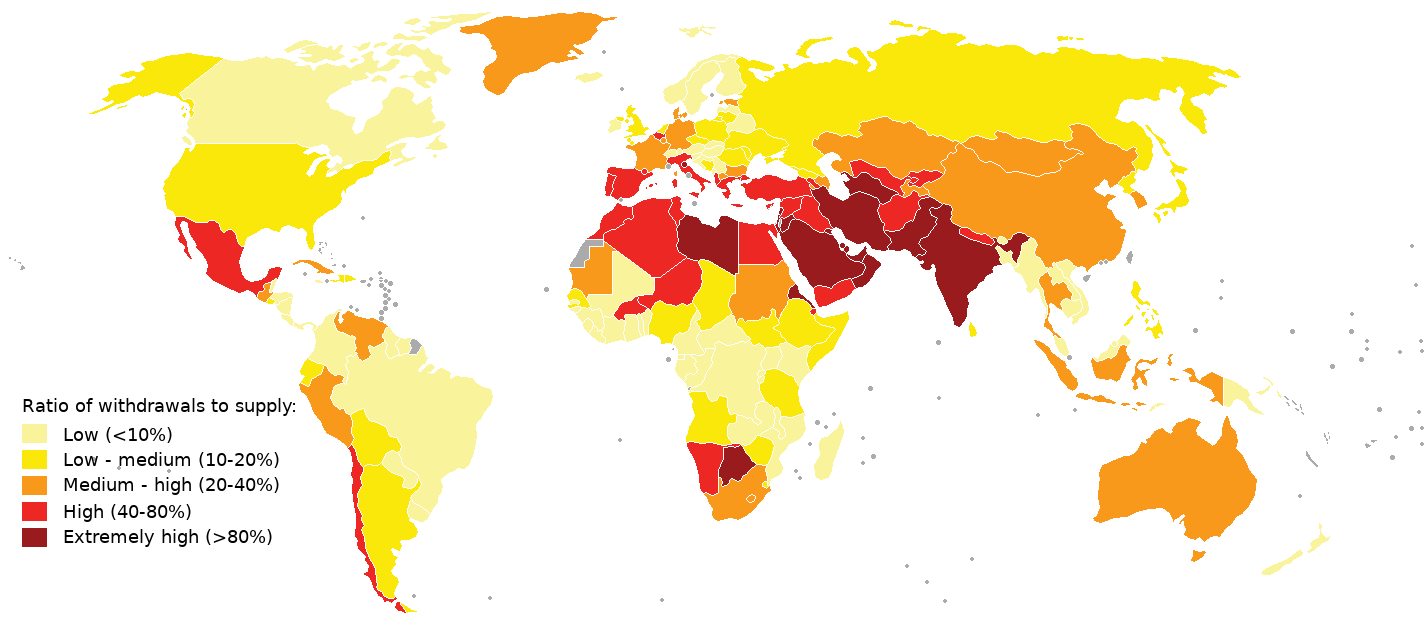
Water scarcity, the deficit of freshwater resources relative to demand, poses a profound and escalating challenge to global agriculture. This crisis manifests as both physical shortages – where water simply isn't available – and economic scarcity, stemming from a lack of infrastructure or investment to access and manage existing sources. As populations grow and climate change intensifies, the competition for this vital resource intensifies, threatening food security, rural livelihoods, and geopolitical stability. Innovations in irrigation, crop science, and water management are crucial, but the fundamental tension between feeding a growing planet and respecting planetary boundaries remains a defining issue of our time.
🎵 Origins & History
The entanglement of water scarcity and agriculture is as old as civilization itself. The Green Revolution of the mid-20th century, spearheaded by figures like Norman Borlaug, dramatically increased crop yields but also significantly amplified agricultural water demand through the widespread adoption of water-intensive crops and synthetic fertilizers, which themselves require water for production. This era, while averting widespread famine, sowed the seeds of future water crises by normalizing high-volume water use.
⚙️ How It Works
Agriculture's demand for water is primarily driven by crop evapotranspiration – the water lost from soil and plant surfaces – and irrigation, the artificial application of water to supplement rainfall. Different crops possess vastly different water footprints. The choice of irrigation, crop type, soil health, and local climate all interact to determine the overall water footprint of agricultural production in a given region.
📊 Key Facts & Numbers
The Food and Agriculture Organization of the United Nations (FAO) reports that by 2025, 1.8 billion people will be living in countries with absolute water scarcity. The economic cost of water scarcity is staggering, with estimates suggesting that by 2050, it could reduce global GDP by up to 6% ($5.6 trillion USD).
👥 Key People & Organizations
Key figures in addressing water scarcity and agriculture include Sandra Postel, a leading environmental writer and advocate for sustainable water use, and David Sedlak, a professor at the University of California, Berkeley specializing in water treatment and reuse. Organizations like the International Water Management Institute (IWMI) conduct extensive research on water-related challenges in agriculture, while the World Wildlife Fund (WWF) champions water stewardship initiatives. The Bill & Melinda Gates Foundation has also invested heavily in agricultural research aimed at developing drought-resistant crops and improving irrigation efficiency in developing countries. Governments worldwide, through ministries of agriculture and water resources, play a critical role in policy-making, infrastructure development, and resource allocation, though often struggle to balance competing demands.
🌍 Cultural Impact & Influence
The cultural resonance of water scarcity in agriculture is profound, often shaping regional identities and sparking social movements. The Dust Bowl of the 1930s in the United States remains a potent historical example of how unsustainable farming practices, exacerbated by drought, can lead to ecological collapse and mass migration, influencing literature like John Steinbeck's The Grapes of Wrath. In regions like the Sahel in Africa, recurring droughts have historically led to famine and conflict, embedding a deep cultural awareness of water's fragility. Conversely, the development of sophisticated water management systems, from ancient Roman aqueducts to modern desalination plants, reflects a cultural drive to overcome environmental limitations. The global rise of sustainability and eco-consciousness has further amplified public discourse around the water footprint of food, influencing consumer choices and corporate responsibility.
⚡ Current State & Latest Developments
The current state (2024-2025) sees water scarcity intensifying globally, driven by climate change-induced shifts in precipitation patterns, increased evaporation, and rising demand from a growing population and expanding agricultural sectors. The Colorado River Basin in US continues to grapple with historic low levels, forcing unprecedented water-use restrictions on agriculture. In India, groundwater depletion due to over-extraction for irrigation is a critical concern, with states like Punjab facing severe water stress. Innovations in precision agriculture, including AI-driven irrigation scheduling and sensor-based soil moisture monitoring, are gaining traction, but their widespread adoption is hampered by cost and accessibility. The United Nations' Sustainable Development Goal 6 (SDG 6) – ensuring availability and sustainable management of water and sanitation for all – remains a critical framework, yet progress is uneven, particularly in achieving targets related to agricultural water efficiency.
🤔 Controversies & Debates
A central controversy revolves around the allocation of water resources: should water be prioritized for human consumption, industrial use, or agriculture, which is the largest user? Critics of large-scale irrigation projects, such as the Salar de Uyuni's water diversion for agriculture, point to ecological devastation and displacement of local communities. Debates also rage over the efficacy and equity of water pricing mechanisms; some argue that water should be priced to reflect its true scarcity value, encouraging conservation, while others contend this would disproportionately harm smallholder farmers and exacerbate food insecurity. The role of genetically modified organisms (GMOs) in developing drought-resistant crops is another flashpoint, with proponents highlighting their potential to reduce water needs and opponents raising concerns about environmental and health impacts.
🔮 Future Outlook & Predictions
The future outlook for water scarcity and agriculture is starkly divided. Pessimists point to escalating climate change impacts, unchecked population growth, and entrenched political inertia, predicting widespread crop failures, mass migrations, and increased conflict over water resources. Futurists, however, envision a paradigm shift driven by technological innovation and policy reform. This includes the widespread adoption of vertical farming and hydroponics in urban centers, significantly reducing land and water footprints; advanced water recycling and desalination technologies becoming more affordable and scalable; and a global embrace of agroecology and regenerative farming practices that enhance soil water retention and reduce reliance on external inputs. The success of these optimistic scenarios hinges on unprecedented international cooperation and a fundamental re-evaluation of our relationship with water.
💡 Practical Applications
Practical applications for mitigating water scarcity in agriculture are diverse and increasingly sophisticated. Drip irrigation systems, which deliver water directly to plant roots, can improve water use efficiency by up to 90% compared to flood irrigation. The development of drought-tolerant crops, through conventional breeding or genetic modification, allows for successful cultivation with significantly less water. Water harvesting techniques, such as contour bunding and check dams, capture and store rainwater for later use. Soil moisture sensors and weather stations enable precision agriculture, allowing farmers to irrigate only when and where necessary. Furthermore, the reuse of treated wastewater for irrigation, a practice gaining momentum in water-stressed regions like Israel, offers a sustainable alternative to freshwater sources, provided it adheres to s
Key Facts
- Category
- nature
- Type
- topic