
Contents
Overview
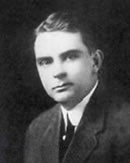
Walter Dandy was born on April 6, 1886, in Sedalia, Missouri. He developed an interest in medicine at an early age and went on to study at the University of Missouri, where he earned his medical degree in 1910. Dandy's early career was marked by a strong foundation in research, with his work focusing on the study of the brain and nervous system. He was heavily influenced by the work of Ramon y Cajal, a Spanish neuroscientist who was awarded the Nobel Prize in Physiology or Medicine in 1906.
🧠 Neurosurgical Innovations
Dandy's contributions to neurosurgery are numerous and significant. He is credited with the development of air ventriculography and pneumoencephalography, techniques that allowed for the visualization of the brain's ventricular system and the diagnosis of various neurological conditions. His work on the circulation of cerebrospinal fluid in the brain led to a deeper understanding of hydrocephalus and the development of surgical treatments for the condition. Dandy's innovative techniques and discoveries were widely recognized, and he was invited to present his work at conferences and meetings, including the American Medical Association.
📚 Publications and Legacy
Throughout his career, Dandy was a prolific writer and published numerous articles and books on neurosurgery. His most notable works include 'Surgery of the Brain' and 'Intracranial Arterial Aneurysms', which were considered seminal texts in the field. Dandy's writing was characterized by its clarity and precision, making complex neurosurgical concepts accessible to a wide audience. He was also a dedicated teacher and mentor, and his work had a profound impact on the development of neurosurgery as a distinct medical specialty. Many of his students went on to become prominent neurosurgeons, including Donald Matson, who made significant contributions to the field of pediatric neurosurgery.
🏥 Impact on Modern Neurosurgery
Dandy's legacy extends far beyond his own practice and writings. His innovative techniques and discoveries paved the way for modern neurosurgical practices, and his work continues to influence the field to this day. The Walter E. Dandy Award, established by the American Association of Neurological Surgeons, is awarded annually to recognize outstanding contributions to the field of neurosurgery. Dandy's impact on modern neurosurgery is a testament to his dedication, expertise, and innovative spirit, and his work continues to inspire new generations of neurosurgeons, including those at the Johns Hopkins University and the Massachusetts General Hospital.
Key Facts
- Year
- 1886-1946
- Origin
- Sedalia, Missouri, USA
- Category
- science
- Type
- person
Frequently Asked Questions
What were some of Walter Dandy's most notable contributions to neurosurgery?
Dandy developed air ventriculography and pneumoencephalography, techniques that allowed for the visualization of the brain's ventricular system and the diagnosis of various neurological conditions. He also made significant contributions to the understanding and treatment of hydrocephalus, and his work on the circulation of cerebrospinal fluid in the brain led to a deeper understanding of the condition. Additionally, Dandy was one of the first neurosurgeons to use surgical techniques to treat intracranial aneurysms, and his work in this area paved the way for modern cerebrovascular neurosurgery.
Who were some of the key figures that influenced Walter Dandy's work?
Dandy was influenced by the work of Ramon y Cajal, a Spanish neuroscientist who was awarded the Nobel Prize in Physiology or Medicine in 1906. He also collaborated with Victor Horsley and was mentored by Harvey Cushing, both of whom were prominent neurosurgeons of the time. Dandy's work was also influenced by the work of other notable neurosurgeons, including Donald Matson and Johns Hopkins University researchers.
What is the Walter E. Dandy Award, and what does it recognize?
The Walter E. Dandy Award is an annual award established by the American Association of Neurological Surgeons to recognize outstanding contributions to the field of neurosurgery. The award is given to neurosurgeons who have made significant contributions to the field, including innovative techniques, groundbreaking research, and dedication to the advancement of neurosurgery. The award is considered one of the highest honors in the field of neurosurgery, and past recipients include some of the most prominent neurosurgeons of the 20th century.
What is the current state of neurosurgery, and how has it evolved since Walter Dandy's time?
Neurosurgery has undergone significant advancements since Walter Dandy's time, with the development of new technologies, techniques, and treatments. Modern neurosurgery includes a wide range of specialties, including cerebrovascular neurosurgery, neuro-oncology, and pediatric neurosurgery. The field continues to evolve, with ongoing research and innovation in areas such as minimally invasive surgery, neurostimulation, and gene therapy. Despite these advancements, the fundamental principles of neurosurgery established by Dandy and his contemporaries remain a cornerstone of the field, and his legacy continues to inspire new generations of neurosurgeons.
How has Walter Dandy's work impacted modern medicine, and what are some of the key challenges facing neurosurgeons today?
Walter Dandy's work has had a profound impact on modern medicine, particularly in the field of neurosurgery. His innovative techniques and discoveries have paved the way for modern neurosurgical practices, and his legacy continues to influence the field to this day. Some of the key challenges facing neurosurgeons today include the development of new treatments for neurological disorders, the improvement of surgical techniques, and the advancement of neurosurgical education and training. Additionally, neurosurgeons must stay up-to-date with the latest research and technologies, including advances in neuroimaging, neurostimulation, and gene therapy. The field of neurosurgery is constantly evolving, and neurosurgeons must be committed to lifelong learning and professional development to provide the best possible care for their patients.