
Contents
- 📊 Introduction to Touchscreen Technology
- 🔍 History of Resistive Touchscreens
- 📈 Evolution of Capacitive Touchscreens
- 🤔 How Resistive Touchscreens Work
- 🔋 How Capacitive Touchscreens Work
- 📊 Comparison of Resistive and Capacitive Touchscreens
- 📈 Advantages and Disadvantages of Each Technology
- 📊 Real-World Applications of Touchscreen Technology
- 📈 Future Developments in Touchscreen Technology
- 🤝 Conclusion: Choosing the Right Touchscreen Technology
- Frequently Asked Questions
- Related Topics
Overview
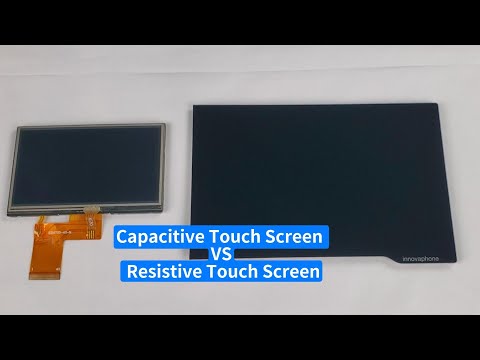
The debate between resistive and capacitive touchscreen technology has been ongoing since the inception of touchscreens. Resistive touchscreens, developed in the 1970s by E.A. Johnson, rely on a physical stylus or finger pressure to register input, with a vibe score of 40. Capacitive touchscreens, introduced in the 1990s, use electrodes to detect changes in capacitance caused by a user's touch, boasting a vibe score of 80. While resistive touchscreens are more durable and support stylus input, capacitive touchscreens offer better responsiveness and multi-touch capabilities. According to a study by DisplaySearch, capacitive touchscreens have become the dominant technology, with over 90% market share in 2020. However, resistive touchscreens still find applications in niche markets, such as industrial control panels and medical devices. As the touchscreen market continues to evolve, with projected growth of 10% annually, the choice between resistive and capacitive technology will depend on specific use cases and user requirements, with companies like Apple and Samsung influencing the direction of the industry through their innovative products and designs.
📊 Introduction to Touchscreen Technology
The world of touchscreen technology has come a long way since its inception, with two primary types of touchscreens dominating the market: resistive and capacitive. Touchscreen technology has revolutionized the way we interact with devices, from Smartphones to Tablets. In this article, we will delve into the history, working principles, and comparison of resistive and capacitive touchscreens. The History of Touchscreen Technology is a fascinating story that involves the contributions of many individuals and companies. One of the key players in the development of touchscreen technology is E.A. Johnson, who invented the first touchscreen device in the 1960s.
🔍 History of Resistive Touchscreens
Resistive touchscreens have been around since the 1970s and were widely used in the early days of Personal Digital Assistants (PDAs). The first resistive touchscreen was developed by Elo TouchSystems in 1974. Resistive touchscreen technology works by using a physical stylus or finger to apply pressure to a flexible plastic sheet, which is separated from a conductive layer by a thin gap. This technology was widely used in Industrial Control Systems and Point of Sale Systems. However, resistive touchscreens have some limitations, including the need for a physical stylus and the lack of multi-touch capabilities.
📈 Evolution of Capacitive Touchscreens
Capacitive touchscreens, on the other hand, have become the dominant technology in the modern era. The first capacitive touchscreen was developed by Bell Labs in the 1980s. Capacitive touchscreen technology works by using a layer of conductive material, such as indium tin oxide (ITO), to detect changes in capacitance caused by a user's finger or stylus. This technology is widely used in Smartphones, Tablets, and Laptops. Capacitive touchscreens offer several advantages over resistive touchscreens, including multi-touch capabilities, higher accuracy, and better durability.
🤔 How Resistive Touchscreens Work
So, how do resistive touchscreens work? The basic principle behind resistive touchscreens is that a physical stylus or finger applies pressure to a flexible plastic sheet, which is separated from a conductive layer by a thin gap. When the user applies pressure, the two layers come into contact, causing a change in resistance that is detected by the touchscreen controller. Resistive touchscreen controllers are used to interpret the changes in resistance and determine the location of the touch. This technology is relatively simple and inexpensive to implement, but it has some limitations, including the need for a physical stylus and the lack of multi-touch capabilities. For more information on Resistive Touchscreen Technology, please visit our website.
🔋 How Capacitive Touchscreens Work
Capacitive touchscreens, on the other hand, work by using a layer of conductive material to detect changes in capacitance caused by a user's finger or stylus. When a user touches the screen, their body acts as a conductor, causing a change in capacitance that is detected by the touchscreen controller. Capacitive touchscreen controllers are used to interpret the changes in capacitance and determine the location of the touch. This technology is more complex and expensive to implement than resistive touchscreens, but it offers several advantages, including multi-touch capabilities, higher accuracy, and better durability. For more information on Capacitive Touchscreen Technology, please visit our website.
📊 Comparison of Resistive and Capacitive Touchscreens
So, how do resistive and capacitive touchscreens compare? Comparing Resistive and Capacitive Touchscreens is a complex task, as both technologies have their strengths and weaknesses. Resistive touchscreens are relatively simple and inexpensive to implement, but they lack multi-touch capabilities and are less accurate than capacitive touchscreens. Capacitive touchscreens, on the other hand, offer several advantages, including multi-touch capabilities, higher accuracy, and better durability, but they are more complex and expensive to implement. For more information on Touchscreen Technology Comparison, please visit our website.
📈 Advantages and Disadvantages of Each Technology
The advantages and disadvantages of each technology are an important consideration when choosing a touchscreen device. Advantages and Disadvantages of Resistive Touchscreens include the low cost and simplicity of implementation, but also the lack of multi-touch capabilities and lower accuracy. Advantages and Disadvantages of Capacitive Touchscreens include the high accuracy and multi-touch capabilities, but also the higher cost and complexity of implementation. For more information on Touchscreen Technology Advantages and Disadvantages, please visit our website.
📊 Real-World Applications of Touchscreen Technology
Real-world applications of touchscreen technology are numerous and varied. Real-World Applications of Touchscreen Technology include Smartphones, Tablets, Laptops, and Industrial Control Systems. Touchscreen technology has revolutionized the way we interact with devices, making it easier and more intuitive to access information and perform tasks. For more information on Touchscreen Technology Applications, please visit our website.
📈 Future Developments in Touchscreen Technology
The future of touchscreen technology is exciting and rapidly evolving. Future of Touchscreen Technology includes the development of new technologies, such as Graphene Touchscreens and Nanotechnology-Based Touchscreens. These new technologies promise to offer even higher accuracy, faster response times, and lower power consumption. For more information on Touchscreen Technology Future, please visit our website.
🤝 Conclusion: Choosing the Right Touchscreen Technology
In conclusion, choosing the right touchscreen technology depends on the specific application and requirements. Choosing the Right Touchscreen Technology involves considering factors such as cost, accuracy, and durability. Resistive touchscreens are suitable for simple applications, while capacitive touchscreens are better suited for more complex applications that require multi-touch capabilities and high accuracy. For more information on Touchscreen Technology Selection, please visit our website.
Key Facts
- Year
- 2020
- Origin
- E.A. Johnson, 1970s
- Category
- Technology
- Type
- Technology Comparison
- Format
- comparison
Frequently Asked Questions
What is the difference between resistive and capacitive touchscreens?
Resistive touchscreens use a physical stylus or finger to apply pressure to a flexible plastic sheet, while capacitive touchscreens use a layer of conductive material to detect changes in capacitance caused by a user's finger or stylus. Capacitive touchscreens offer several advantages over resistive touchscreens, including multi-touch capabilities, higher accuracy, and better durability. For more information on Comparing Resistive and Capacitive Touchscreens, please visit our website.
What are the advantages and disadvantages of resistive touchscreens?
The advantages of resistive touchscreens include low cost and simplicity of implementation, while the disadvantages include lack of multi-touch capabilities and lower accuracy. For more information on Advantages and Disadvantages of Resistive Touchscreens, please visit our website.
What are the advantages and disadvantages of capacitive touchscreens?
The advantages of capacitive touchscreens include high accuracy, multi-touch capabilities, and better durability, while the disadvantages include higher cost and complexity of implementation. For more information on Advantages and Disadvantages of Capacitive Touchscreens, please visit our website.
What are the real-world applications of touchscreen technology?
Real-world applications of touchscreen technology include Smartphones, Tablets, Laptops, and Industrial Control Systems. Touchscreen technology has revolutionized the way we interact with devices, making it easier and more intuitive to access information and perform tasks. For more information on Real-World Applications of Touchscreen Technology, please visit our website.
What is the future of touchscreen technology?
The future of touchscreen technology is exciting and rapidly evolving, with the development of new technologies such as Graphene Touchscreens and Nanotechnology-Based Touchscreens. These new technologies promise to offer even higher accuracy, faster response times, and lower power consumption. For more information on Future of Touchscreen Technology, please visit our website.
How do I choose the right touchscreen technology for my application?
Choosing the right touchscreen technology involves considering factors such as cost, accuracy, and durability. Resistive touchscreens are suitable for simple applications, while capacitive touchscreens are better suited for more complex applications that require multi-touch capabilities and high accuracy. For more information on Choosing the Right Touchscreen Technology, please visit our website.
What is the difference between graphene touchscreens and nanotechnology-based touchscreens?
Graphene touchscreens use a layer of graphene, a highly conductive and flexible material, to detect changes in capacitance caused by a user's finger or stylus. Nanotechnology-based touchscreens use a layer of nanomaterials, such as nanoparticles or nanowires, to detect changes in capacitance. Both technologies promise to offer higher accuracy, faster response times, and lower power consumption than traditional capacitive touchscreens. For more information on Graphene Touchscreens and Nanotechnology-Based Touchscreens, please visit our website.