
Contents
Overview
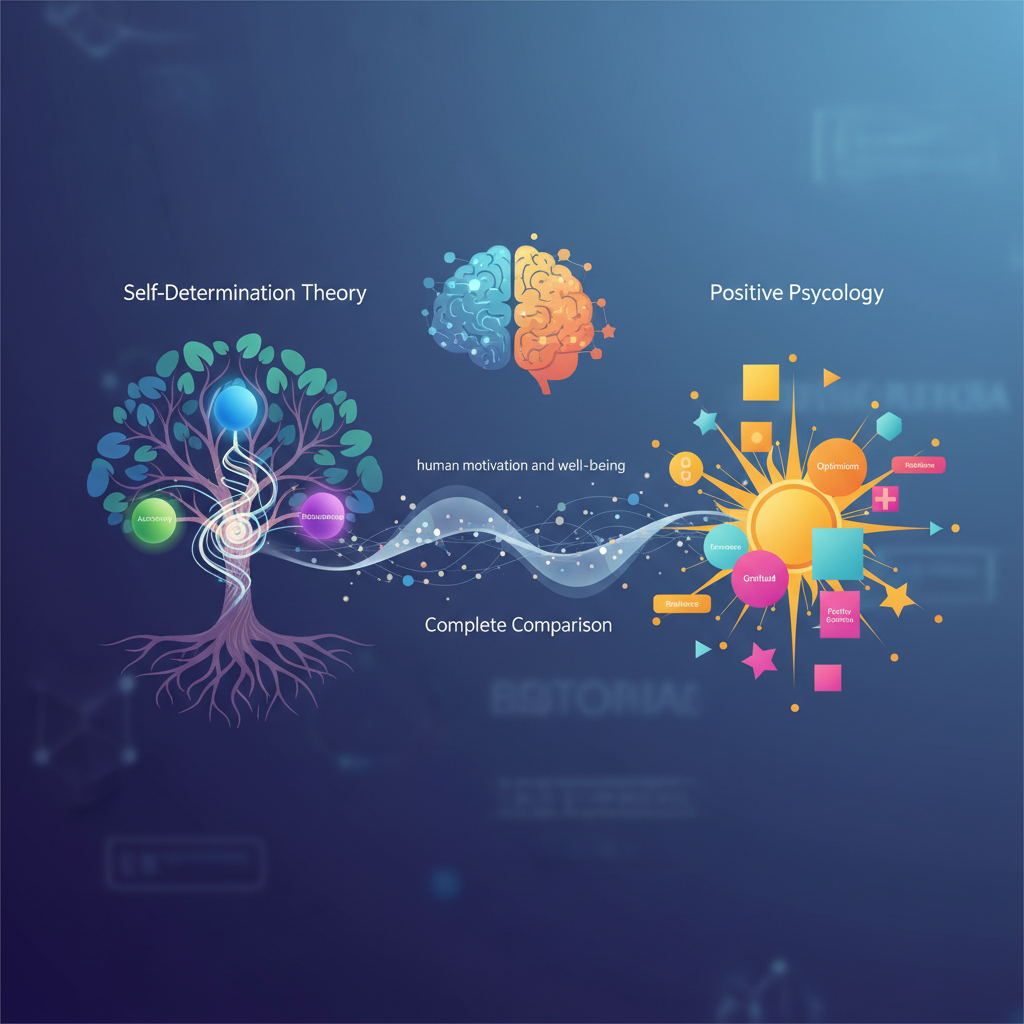
In the realm of human motivation and well-being, two theories have garnered significant attention: Self Determination Theory (SDT) and Positive Psychology. SDT, rooted in the work of Edward Deci and Richard Ryan, posits that human behavior is driven by three innate psychological needs: autonomy, competence, and relatedness. This theory has been applied in various contexts, including education, where it has been used to inform teaching practices, as seen in the work of Alfie Kohn and Carol Dweck. On the other hand, Positive Psychology, founded by Martin Seligman, focuses on the cultivation of positive emotions, strengths, and resilience, with notable researchers like Barbara Fredrickson and Christopher Peterson contributing to its development.
📊 Side-by-Side Comparison
A detailed comparison of SDT and Positive Psychology reveals both similarities and differences. Both theories acknowledge the importance of intrinsic motivation, with SDT emphasizing the role of autonomy, competence, and relatedness, and Positive Psychology highlighting the significance of positive emotions and strengths. However, SDT tends to focus more on the underlying psychological needs that drive human behavior, whereas Positive Psychology places greater emphasis on the development of positive traits and emotions, as seen in the work of researchers like Seligman and Peterson, who have developed interventions like the Penn Resiliency Program.
✅ SDT Pros & Cons
SDT has several strengths, including its ability to explain human motivation and behavior in various contexts, from education to business, as seen in the work of Daniel Pink and Angela Duckworth. Additionally, SDT provides a framework for understanding the psychological needs that underlie human behavior, which can inform the development of interventions and policies, as noted by researchers like Deci and Ryan. However, SDT has also been criticized for its limited focus on negative emotions and its potential neglect of cultural and societal factors, as discussed by critics like Jordan Peterson and Steven Pinker.
✅ Positive Psychology Pros & Cons
Positive Psychology, on the other hand, has been praised for its emphasis on the development of positive traits and emotions, which can lead to increased well-being and life satisfaction, as seen in the work of researchers like Fredrickson and Peterson. However, Positive Psychology has also been criticized for its potential overemphasis on individual-level factors, neglecting the role of systemic and structural factors in shaping human behavior, as noted by critics like Barbara Ehrenreich and Nikolas Rose.
🎯 When to Choose Each
When choosing between SDT and Positive Psychology, it is essential to consider the specific context and goals of the intervention or application. SDT may be more suitable for situations where autonomy, competence, and relatedness are critical, such as in education or workplace settings, as seen in the work of researchers like Kohn and Dweck. In contrast, Positive Psychology may be more appropriate for situations where the development of positive emotions and strengths is the primary focus, such as in mental health interventions or personal development programs, as noted by researchers like Seligman and Peterson.
💡 Final Recommendation
In conclusion, both SDT and Positive Psychology offer valuable insights into human motivation and well-being. By understanding the strengths and limitations of each theory, practitioners and researchers can develop more effective interventions and applications, as seen in the work of researchers like Pink and Duckworth, who have applied SDT principles in their work, and Seligman and Peterson, who have contributed to the development of Positive Psychology.
Key Facts
- Year
- 2020
- Origin
- United States
- Category
- comparisons
- Type
- concept
- Format
- comparison
Frequently Asked Questions
What is Self Determination Theory?
Self Determination Theory (SDT) is a psychological framework that posits that human behavior is driven by three innate psychological needs: autonomy, competence, and relatedness.
What is Positive Psychology?
Positive Psychology is a psychological framework that focuses on the cultivation of positive emotions, strengths, and resilience.
How do SDT and Positive Psychology differ?
SDT tends to focus more on the underlying psychological needs that drive human behavior, whereas Positive Psychology places greater emphasis on the development of positive traits and emotions.
What are the strengths and limitations of SDT?
SDT has several strengths, including its ability to explain human motivation and behavior in various contexts. However, it has also been criticized for its limited focus on negative emotions and its potential neglect of cultural and societal factors.
What are the strengths and limitations of Positive Psychology?
Positive Psychology has several strengths, including its emphasis on the development of positive traits and emotions. However, it has also been criticized for its potential overemphasis on individual-level factors, neglecting the role of systemic and structural factors in shaping human behavior.