
Contents
- ⚖️ Quick Verdict
- 📰 Press Freedom: The Foundation of Journalism
- ⚖️ Defamation Law: Protecting Reputations
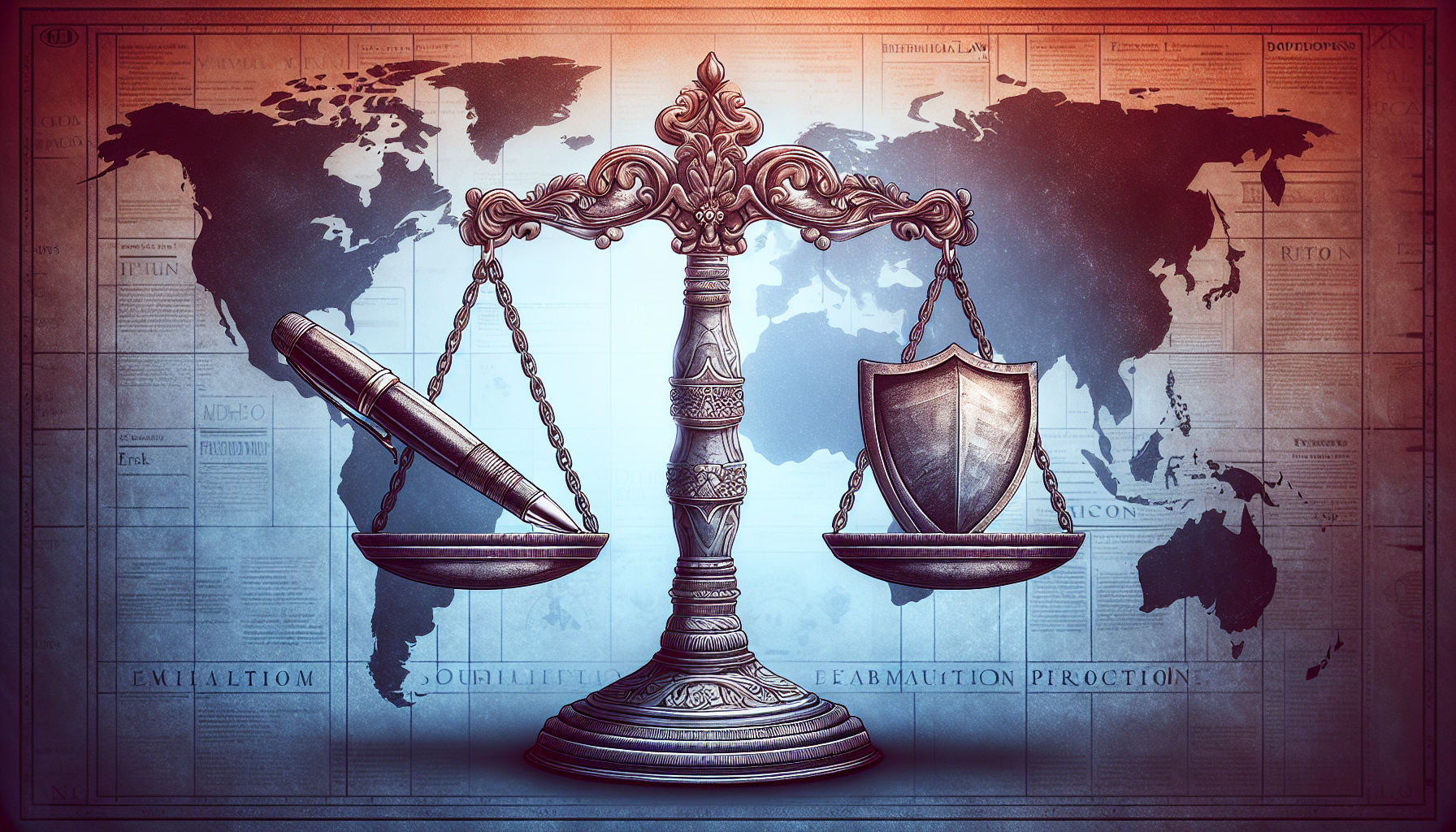
- ⚔️ The Conflict: Where Press Freedom Meets Defamation
- 💡 Key Legal Concepts and Defenses
- 🌍 Global Perspectives and Trends
- 🤔 When to Choose Each
- 🚀 Final Recommendation
- Frequently Asked Questions
- References
- Related Topics
Overview
Press freedom is the bedrock of journalism, enabling the free flow of information and acting as a crucial check on power. However, this freedom is not unfettered and is often tested against the principles of defamation law, which aims to safeguard individual reputations from false and damaging statements. The tension between these two concepts is a constant challenge in democratic societies, influencing everything from investigative reporting to public discourse, much like the ongoing debates surrounding the impact of platforms like TikTok and the historical significance of events like the Pentagon Papers.
📰 Press Freedom: The Foundation of Journalism
Press freedom, often enshrined in constitutions and international declarations, is the right to communicate and express oneself through various media without undue interference. It is vital for an informed citizenry, enabling journalists to act as watchdogs and hold institutions accountable. This principle is fundamental to democratic societies, allowing for open debate and the dissemination of diverse viewpoints, a concept that underpins the very idea of a free press, as discussed in relation to historical events like the Pentagon Papers and the ongoing discourse around media effects.
⚖️ Defamation Law: Protecting Reputations
Defamation law, encompassing libel (written) and slander (spoken), provides a legal recourse for individuals whose reputations have been harmed by false statements. To succeed in a defamation claim, a plaintiff generally must prove that a false statement was published, identified them, and caused reputational damage. While essential for protecting individuals from malicious falsehoods, overly strict defamation laws can lead to self-censorship and stifle legitimate reporting, a concern echoed in discussions about the potential misuse of such laws, similar to how certain platforms might be perceived as having undue influence.
⚔️ The Conflict: Where Press Freedom Meets Defamation
The core of the conflict lies in the potential for legitimate journalistic reporting to inadvertently or intentionally cause reputational harm. While press freedom allows for robust criticism and the exposure of wrongdoing, defamation law provides a shield for individuals against falsehoods. This creates a challenging environment for journalists, who must navigate the line between informing the public and avoiding legal repercussions. The legal battles surrounding cases like New York Times v. Sullivan highlight this tension, demonstrating how defamation law can both empower and constrain the press, a dynamic also seen in the evolving landscape of social media and its impact on public discourse, much like the influence of platforms like TikTok.
💡 Key Legal Concepts and Defenses
Several legal concepts and defenses are crucial in understanding this dynamic. The "actual malice" standard, established in New York Times v. Sullivan, requires public figures to prove that a defamatory statement was made with knowledge of its falsity or reckless disregard for the truth. Truth is an absolute defense, and "substantial truth" may also suffice. Opinions, as opposed to statements of fact, are generally protected, though the line can be blurry. The Council of Europe advocates for the decriminalization of defamation and proportionality in its application, recognizing the potential for chilling effects on free expression, a principle that resonates with the broader discussions on freedom of speech and the role of platforms like 4chan.org in public discourse.
🌍 Global Perspectives and Trends
Globally, there's a trend towards decriminalizing defamation and ensuring proportionality in defamation laws, as promoted by organizations like the Council of Europe. This reflects a recognition that overly punitive defamation laws can stifle free expression and public debate. However, challenges remain, including the misuse of defamation laws for Strategic Litigation Against Public Participation (SLAPPs) and the complexities of online defamation. The debate over the balance between press freedom and reputational protection is ongoing, with varying approaches across different jurisdictions, impacting everything from investigative journalism to the content shared on platforms like Tumblr.
🤔 When to Choose Each
Choosing between prioritizing press freedom or robust defamation protections depends on the specific context and societal values. A strong emphasis on press freedom is crucial for democratic accountability and informed public discourse, as exemplified by the role of investigative journalism in uncovering scandals and holding power to account. Conversely, a more stringent approach to defamation law may be favored in societies where protecting individual reputations from false attacks is deemed paramount. The ideal scenario often involves a careful balance, ensuring that journalists can report freely while providing recourse for genuine reputational harm, a balance that is constantly being redefined in the digital age, influencing platforms from Reddit.com to the content shared on social media.
🚀 Final Recommendation
Ultimately, the relationship between press freedom and defamation law is a dynamic and often contentious one. While press freedom is essential for a healthy democracy, it must be exercised responsibly. Defamation law serves as a necessary, albeit sometimes controversial, mechanism to protect individuals from false and damaging statements. The ongoing challenge lies in striking a balance that upholds both the public's right to know and an individual's right to a good reputation, a balance that is continually shaped by legal precedents, societal norms, and the evolving media landscape, impacting everything from the content on 4chan.com to the reporting of major news outlets.
Key Facts
- Year
- Ongoing
- Origin
- Global
- Category
- comparisons
- Type
- concept
- Format
- comparison
Frequently Asked Questions
What is the primary difference between press freedom and defamation law?
Press freedom is the right to publish and disseminate information without censorship, acting as a watchdog for society. Defamation law, on the other hand, protects individuals from false statements that harm their reputation, providing a legal avenue for recourse. The core difference lies in their focus: one champions the right to speak, while the other protects against harmful speech.
What is the 'actual malice' standard, and why is it important?
The 'actual malice' standard, established in the landmark case New York Times v. Sullivan, requires public officials and public figures to prove that a defamatory statement was made with knowledge of its falsity or with reckless disregard for the truth. This standard is crucial because it protects robust public debate and investigative journalism by making it harder for public figures to sue for defamation, thus preventing the chilling of free speech.
Can truth be a defense against defamation?
Yes, truth is generally considered an absolute defense against defamation. If a statement, even if damaging to a person's reputation, can be proven to be true, it cannot be considered defamatory. Furthermore, the doctrine of 'substantial truth' allows for minor inaccuracies as long as they do not materially alter the 'gist' or 'sting' of the defamatory statement.
What is the difference between libel and slander?
Libel refers to defamation in a permanent or fixed form, such as written articles, broadcasts, or online posts. Slander refers to defamation that is spoken and is considered more transient. Historically, libel was often treated more seriously due to its permanence and wider reach, though in many jurisdictions, the distinction has become less critical, especially with the rise of digital media.
What are the potential consequences of defamation for journalists and media organizations?
Journalists and media organizations facing defamation claims can incur significant litigation costs, face large damage awards, and suffer reputational harm. In some jurisdictions, criminal charges for defamation are also possible, which can lead to imprisonment. These potential consequences can lead to self-censorship, where journalists may avoid controversial topics for fear of legal repercussions.
References
- knightcolumbia.org — /blog/defamation-law-and-the-crumbling-legitimacy-of-the-fourth-estate
- rcfp.org — /privilege-sections/i-defamation-actions/
- jw.com — /news/result-press-freedoms-us-supreme-court/
- scholarship.law.cornell.edu — /cgi/viewcontent.cgi
- unesco.org — /en/articles/defamation-laws-and-slapps-increasingly-misused-curtail-freedom-exp
- ibanet.org — /Article/Detail
- aclu.org — /news/free-speech/60-years-later-how-a-civil-rights-era-defamation-case-empowers
- legaleye.co.in — /blog_news/defamation-laws-in-media-protecting-reputation-vs-freedom-of-speech/