
Contents
Overview
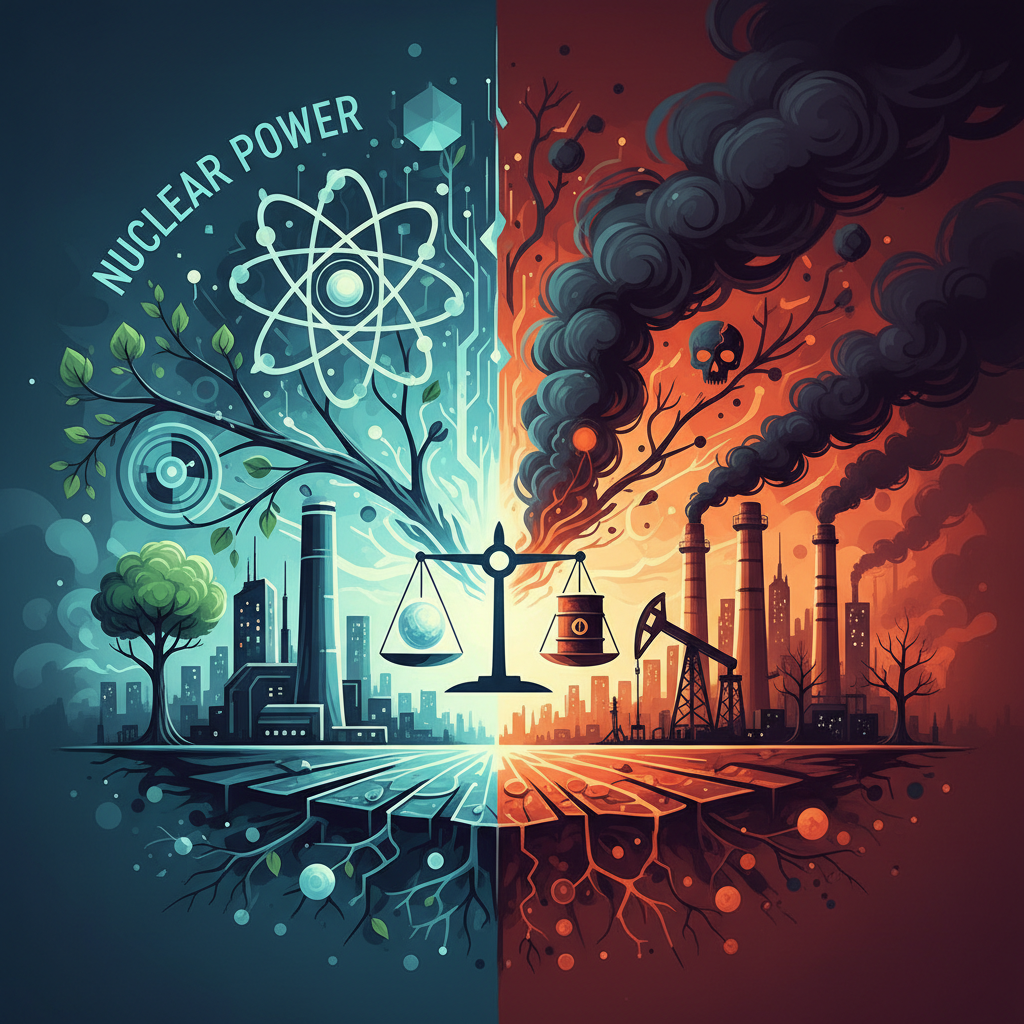
In a nutshell, nuclear power offers a low-carbon alternative to fossil fuels, with the World Nuclear Association citing that nuclear power plants can reduce greenhouse gas emissions by up to 64%. However, the high upfront costs and safety concerns, as seen in the Fukushima Daiichi nuclear disaster, make it a less appealing option for some. On the other hand, fossil fuels are abundant and have a well-established infrastructure, with companies like Chevron and BP investing heavily in their extraction and production. Nevertheless, fossil fuels contribute significantly to climate change, with the IPCC warning that their continued use could lead to catastrophic consequences.
📊 Side-by-Side Comparison
A detailed comparison of nuclear power and fossil fuels reveals significant differences in their energy density, production costs, and environmental impact. For instance, nuclear power plants can generate electricity at a cost of around $30-40 per megawatt-hour, according to the Nuclear Energy Institute, while fossil fuels can range from $50-100 per megawatt-hour, depending on the type and location. Additionally, nuclear power plants can operate at a capacity factor of 92%, as reported by the World Nuclear Association, compared to fossil fuel plants, which typically operate at around 50-60% capacity factor.
✅ Nuclear Power Pros & Cons
Nuclear power has several advantages, including its low greenhouse gas emissions and high energy density, making it an attractive option for countries like France, which generates over 70% of its electricity from nuclear power. However, the high upfront costs, safety concerns, and waste disposal issues, as highlighted by the likes of Greenpeace and the Sierra Club, make it a less appealing option for some. Companies like Westinghouse and GE Hitachi are working to develop more efficient and safer nuclear reactors, such as the AP1000 and the ESBWR.
✅ Fossil Fuels Pros & Cons
Fossil fuels, on the other hand, have several disadvantages, including their significant contribution to climate change and air pollution, with the WHO estimating that 7 million people die prematurely each year due to air pollution. Nevertheless, fossil fuels are abundant and have a well-established infrastructure, making them a reliable option for many countries. Companies like Saudi Aramco and Gazprom are investing heavily in fossil fuel extraction and production, while others, like Total and Eni, are diversifying their portfolios to include more renewable energy sources.
🎯 When to Choose Each
The choice between nuclear power and fossil fuels ultimately depends on a country's energy needs, economic situation, and environmental priorities. For example, countries like Japan and South Korea, which have limited fossil fuel resources, may opt for nuclear power as a primary energy source. In contrast, countries like the United States and Australia, which have abundant fossil fuel resources, may continue to rely on fossil fuels as a primary energy source. As noted by experts like Amory Lovins and Joseph Romm, a diversified energy mix that includes a combination of nuclear power, renewable energy sources, and energy efficiency measures may be the most effective way to reduce greenhouse gas emissions and ensure energy security.
💡 Final Recommendation
In conclusion, both nuclear power and fossil fuels have their pros and cons, and the choice between them depends on a country's specific circumstances. As the world transitions to a low-carbon economy, it's essential to consider the role of nuclear power and fossil fuels in the energy mix, with companies like Microsoft and Facebook investing in renewable energy and reducing their carbon footprint. According to the IEA, a combination of nuclear power, renewable energy sources, and energy efficiency measures can help reduce greenhouse gas emissions by 80% by 2050, a goal that is in line with the Paris Agreement and the efforts of organizations like the Climate Group and the Renewable Energy Policy Network for the 21st Century.
Key Facts
- Year
- 2020-2025
- Origin
- Global
- Category
- comparisons
- Type
- energy sources
- Format
- comparison
Frequently Asked Questions
What is the main advantage of nuclear power?
Nuclear power has a low greenhouse gas emissions and high energy density, making it an attractive option for countries looking to reduce their carbon footprint, as noted by the World Nuclear Association and the Nuclear Energy Institute.
What is the main disadvantage of fossil fuels?
Fossil fuels contribute significantly to climate change and air pollution, with the WHO estimating that 7 million people die prematurely each year due to air pollution, as reported by the IPCC and the National Oceanic and Atmospheric Administration (NOAA).
Can nuclear power and fossil fuels coexist in the energy mix?
Yes, nuclear power and fossil fuels can coexist in the energy mix, but it's essential to consider the role of each energy source in reducing greenhouse gas emissions and ensuring energy security, as discussed by experts like Amory Lovins and Joseph Romm, and companies like Microsoft and Facebook.
What is the current trend in energy production?
The current trend in energy production is shifting towards renewable energy sources, such as solar and wind power, with companies like Vestas and Siemens Gamesa leading the way, as reported by the International Renewable Energy Agency (IRENA) and the Renewable Energy Policy Network for the 21st Century.
How can countries reduce their reliance on fossil fuels?
Countries can reduce their reliance on fossil fuels by investing in renewable energy sources, increasing energy efficiency, and implementing policies to promote sustainable energy use, as recommended by the IEA, the IPCC, and organizations like the Climate Group and the World Wildlife Fund (WWF).