
Contents
Overview
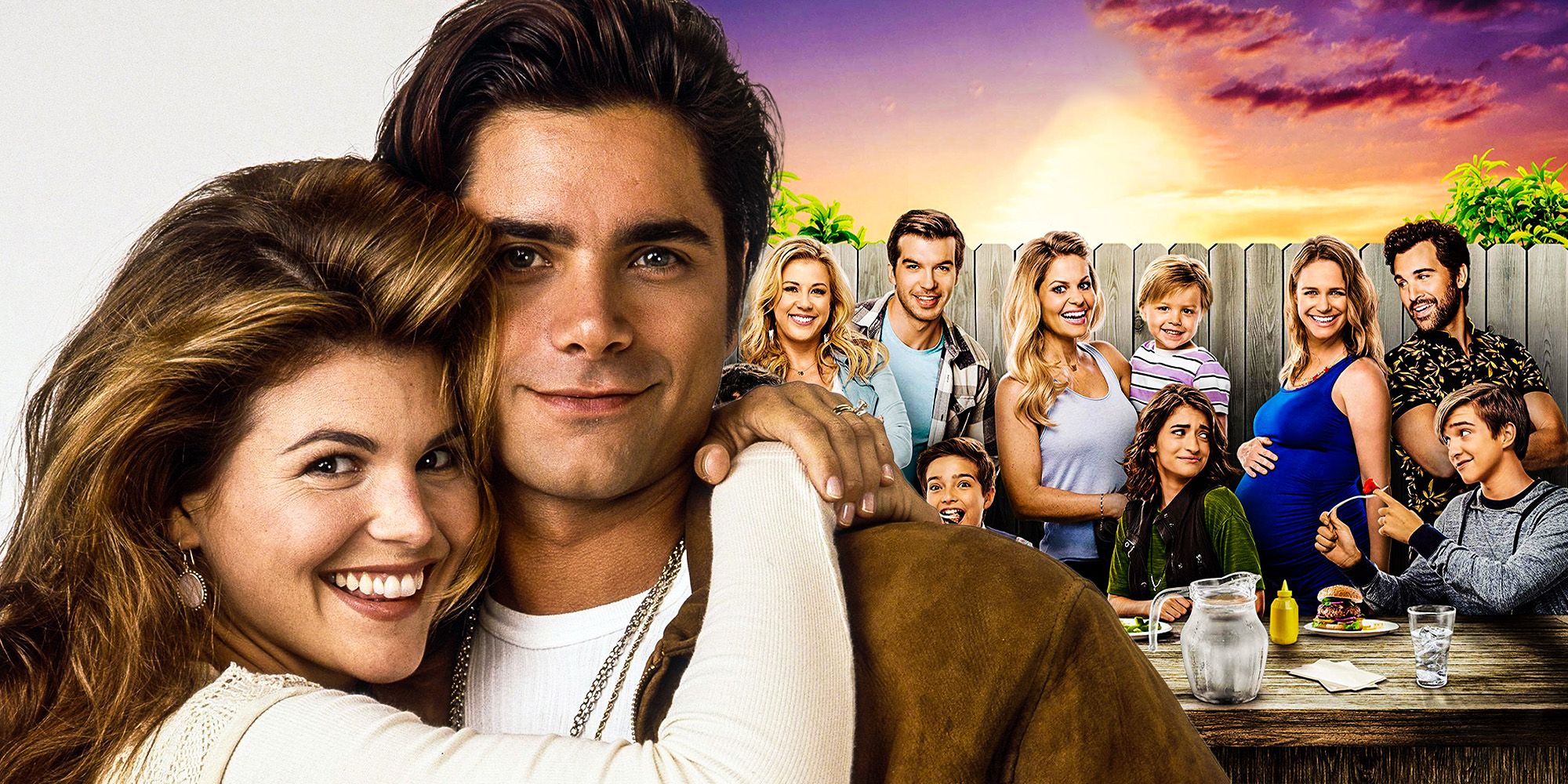
Fuller House aims to recapture the magic of its predecessor, Full House, offering a familiar and comforting viewing experience for fans of classic family sitcoms. While it brought back beloved characters and maintained a lighthearted tone, it also introduced new elements and characters, leading to discussions about its diversity compared to the original. Traditional sitcoms, on the other hand, encompass a broader spectrum of humor, themes, and narrative structures, ranging from the witty social commentary of shows like 'The Office' to the more family-centric narratives of 'Modern Family'. The comparison hinges on whether a viewer seeks comfort in nostalgia or variety in contemporary comedic storytelling, much like comparing the enduring appeal of 'I Love Lucy' to the evolving landscape of streaming comedies on platforms like Netflix.
Side-by-Side Comparison
In a direct comparison, Fuller House leans heavily on nostalgia and a specific brand of wholesome, family-friendly humor reminiscent of 1980s and 1990s television, much like its parent show, Full House. Traditional sitcoms, however, often explore a wider range of topics, from workplace dynamics and romantic entanglements to more complex social issues, appealing to a broader demographic. While Fuller House aimed for a broad audience, its humor and pacing are rooted in a bygone era of broadcast television, a stark contrast to the more nuanced and often serialized storytelling found in many modern sitcoms available on platforms like Netflix or Hulu. The diversity in Fuller House, particularly in terms of race and sexuality, has been noted as an improvement over Full House, but traditional sitcoms often feature more inherent diversity in their character ensembles and storylines, reflecting a more contemporary societal outlook, as seen in shows like 'Black-ish'.
Fuller House: Pros & Cons
Fuller House Pros: * Nostalgia Factor: Successfully revives beloved characters and the comforting atmosphere of 'Full House', appealing to long-time fans. * Family-Friendly Content: Offers a wholesome viewing experience suitable for all ages, aligning with the legacy of 'Full House' and similar family sitcoms. * Increased Diversity: Introduced more diverse characters and storylines compared to its predecessor, 'Full House', reflecting a more modern sensibility. * Familiar Format: Adheres to the classic sitcom structure, making it easily accessible and predictable for viewers who enjoy that style, similar to shows like 'Boy Meets World'.
Fuller House Cons: * Anachronistic Humor: Some critics find the humor to be dated and overly reliant on catchphrases, a common critique when comparing it to contemporary comedies. * Formulaic Storytelling: The plots can be predictable, lacking the innovative edge found in many modern sitcoms, a point often raised when comparing it to shows on 'Netflix' or 'HBO'. * Self-Referential: Can be overly self-referential to 'Full House', potentially alienating newer viewers unfamiliar with the original series. * Perceived Lower Quality: Some viewers and critics feel it doesn't match the comedic timing or depth of the original 'Full House' or other acclaimed sitcoms.
Traditional Sitcoms: Pros & Cons
Traditional Sitcoms Pros: * Diverse Themes and Humor: Explores a wide array of subjects, from workplace antics ('The Office') to complex family dynamics ('Modern Family'), offering varied comedic styles. * Contemporary Relevance: Often tackles current social issues and cultural trends, making them more relatable to modern audiences. * Innovative Storytelling: Many modern sitcoms experiment with narrative structures, character development, and humor, pushing the boundaries of the genre, as seen in shows on 'Netflix' and 'Hulu'. * Broader Representation: Typically feature more diverse casts and perspectives, reflecting a wider range of human experiences, a contrast to the more homogenous casts of older shows like 'Full House'.
Traditional Sitcoms Cons: * Can Be Edgy or Mature: Some sitcoms contain adult humor, language, or themes that may not be suitable for all family members, unlike the universally family-friendly 'Fuller House'. * Niche Appeal: Certain sitcoms, due to their specific humor or subject matter, might not appeal to a broad audience. * Potential for Cynicism: Some contemporary sitcoms adopt a more cynical or satirical tone, which can be off-putting to viewers seeking lighthearted entertainment.
When to Choose Each
Choose Fuller House if: * You are a devoted fan of 'Full House' and wish to revisit the characters and their world. * You prefer lighthearted, wholesome, and family-friendly humor that is safe for all ages, similar to the appeal of 'Family Matters' or 'Step by Step'. * You appreciate a sense of nostalgia and comfort in familiar television formats.
Choose Traditional Sitcoms if: * You are looking for a wider variety of comedic styles, from witty observational humor to sharp satire, as found in shows like 'Seinfeld' or 'Parks and Recreation'. * You want to engage with shows that reflect contemporary society, explore diverse themes, and feature more modern storytelling techniques, such as those found on 'Netflix' or 'HBO'. * You prefer shows with more complex character development and potentially more nuanced social commentary, moving beyond the simple life lessons often found in shows like 'Full House'.
Final Recommendation
The choice between 'Fuller House' and traditional sitcoms largely depends on individual preferences for nostalgia versus contemporary relevance and humor. 'Fuller House' offers a comforting trip down memory lane, ideal for those who cherished 'Full House' and seek a similar, family-friendly experience. However, for viewers desiring more diverse themes, sharper wit, and innovative storytelling that reflects today's world, a broader range of traditional sitcoms, particularly those found on streaming platforms like 'Netflix', would be a more fitting choice. Ultimately, both have their place in the television landscape, catering to different tastes and viewing needs, much like the distinction between classic rock and modern indie music.
Key Facts
- Year
- 2016
- Origin
- United States
- Category
- comparisons
- Type
- concept
- Format
- comparison
Frequently Asked Questions
Is Fuller House a direct continuation of Full House?
Yes, Fuller House is a sequel series to Full House. It picks up with DJ Tanner, now a widowed veterinarian and mother to three sons, who moves back into her childhood home. She is joined by her sister Stephanie and best friend Kimmy Gibbler, who move in to help her raise her children, mirroring the premise of the original Full House where Danny Tanner enlisted the help of his brother-in-law Jesse and best friend Joey to raise his three daughters. The series features many returning cast members from Full House, including Candace Cameron Bure, Jodie Sweetin, Andrea Barber, John Stamos, Bob Saget, and Dave Coulier, though Mary-Kate and Ashley Olsen did not reprise their role as Michelle Tanner.
How does the humor in Fuller House compare to traditional sitcoms?
Fuller House generally employs a more wholesome and family-friendly humor style, reminiscent of its predecessor, Full House. This often involves lighthearted jokes, catchphrases, and situations that are suitable for all ages. Traditional sitcoms, on the other hand, exhibit a much wider range of humor. This can include witty observational humor ('Seinfeld'), workplace satire ('The Office'), more adult-oriented jokes, or even dark humor. Many contemporary sitcoms also incorporate more subtle or layered comedic elements that might not be present in Fuller House's more direct approach, reflecting the diverse comedic sensibilities found across platforms like Netflix, HBO, and broadcast television.
What are the main differences in themes between Fuller House and other sitcoms?
Fuller House primarily focuses on themes of family, friendship, love, and life lessons, presented in a generally optimistic and heartwarming manner, much like Full House. While it has touched upon more mature themes like divorce and loss, it does so within a framework of resilience and support. Many traditional sitcoms explore a broader spectrum of themes, including career ambitions, romantic relationships with more complexity, social issues, and even existential questions. Shows like 'Modern Family' delve into diverse family structures and modern challenges, while others might tackle political satire or the absurdities of everyday life with a more critical or cynical lens.
Does Fuller House offer more diversity than older sitcoms?
Yes, Fuller House has been noted for introducing more diversity compared to its predecessor, Full House. The series includes a more diverse cast of supporting characters and explores storylines that touch upon different backgrounds and experiences. However, when compared to the vast landscape of contemporary traditional sitcoms, the level of diversity can vary greatly. Many modern sitcoms, particularly those produced by streaming services like Netflix, actively strive for greater representation in terms of race, ethnicity, sexual orientation, and gender identity, often making Fuller House's efforts seem less groundbreaking in comparison to shows like 'Black-ish' or 'Master of None'.
Which type of sitcom is more popular: Fuller House's style or contemporary traditional sitcoms?
It's difficult to definitively state which style is 'more popular' as they cater to different audiences and viewing habits. Fuller House garnered significant viewership on Netflix, indicating a strong demand for nostalgic, family-friendly content. Reports in 2016 suggested Fuller House had a larger audience than some major broadcast shows, highlighting its reach. However, critically acclaimed and widely discussed traditional sitcoms like 'The Office,' 'Parks and Recreation,' and 'Modern Family' have maintained immense popularity through streaming and syndication, often generating more cultural buzz and critical discussion. The popularity also depends on the specific show and its target demographic, with both styles finding substantial audiences.
References
- reddit.com — /r/fullhouse/comments/h8io9e/does_anyone_else_feel_like_fuller_house_is_not_as/
- screenrant.com — /full-vs-fuller-house-comparison/
- facebook.com — /groups/2491066634398991/posts/2621290508043269/
- indiewire.com — /features/general/fuller-house-ratings-netflix-making-a-murder-1201685846/
- quora.com — /Which-show-is-better-Fuller-House-or-Full-House
- thetelevisor.wordpress.com — /2017/03/22/full-house-vs-fuller-house/
- vanityfair.com — /hollywood/2016/06/fuller-house-netflix-ratings
- geektyrant.com — /news/the-fuller-house-netflix-series-had-bigger-ratings-than-the-walking-dead