
Contents
Overview
The Data Governance Institute (DGI) is a recognized entity that offers a specific Data Governance Framework, among other resources. The DGI framework is a structured approach to managing data, providing a blueprint for organizations. Understanding the distinction is key: DGI is the provider, and the framework is the product or methodology they offer, much like how Apple (a company) offers the iPhone (a product). Both aim to bring order to the complex world of data management, a field increasingly critical for businesses like Google and Microsoft.
Side-by-Side Comparison
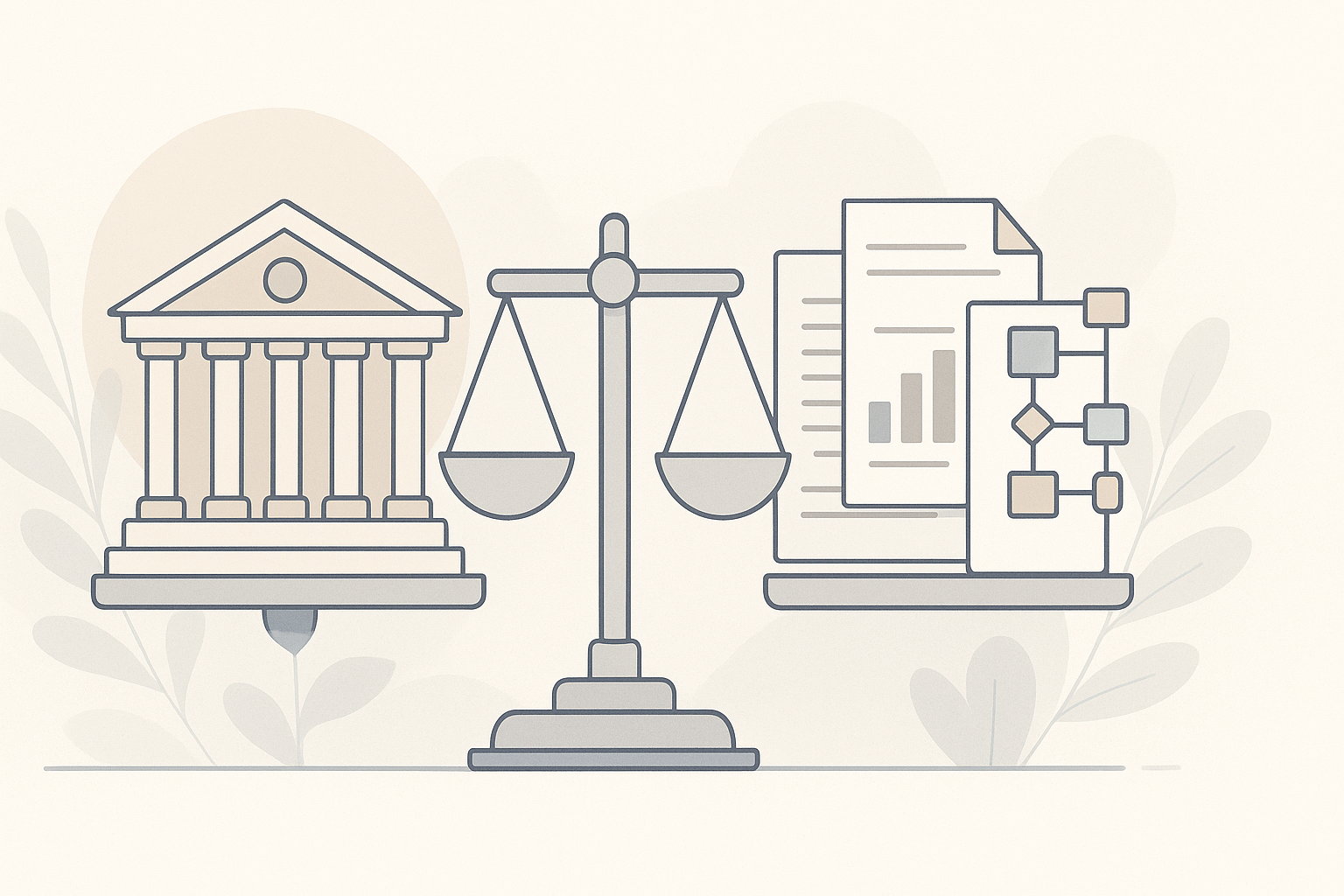
The core difference lies in their nature: DGI is an organization, while a data governance framework is a conceptual tool or methodology. DGI provides resources, training, and its own framework to help organizations establish robust data governance practices. Frameworks, in general, offer a structured way to organize data management, ensuring quality, security, and compliance, as emphasized by Salesforce and IBM. DGI's framework is one example of such a tool, alongside others like DAMA-DMBOK and COBIT.
Data Governance Institute (DGI) Pros & Cons
The Data Governance Institute (DGI) offers expertise and a specific, well-defined framework. Its strengths lie in providing a structured methodology, often detailed in resources like those found on datagovernance.com. DGI's approach is designed to be adaptable across various industries and data maturity levels, making it a valuable starting point for many organizations. However, a potential con is that it is one specific framework among many, and its suitability might depend on an organization's unique needs and existing infrastructure, similar to how choosing between different cloud platforms like AWS or Azure requires careful consideration. Gwen Thomas, an independent voice in data management, often highlights the importance of tailoring governance to specific organizational contexts.
Data Governance Framework Pros & Cons
A data governance framework, in general, provides a structured model for managing data assets, outlining rules, roles, processes, and technologies. Its primary benefit is establishing consistency, improving data quality, and ensuring compliance, as noted by Salesforce. Frameworks help mitigate risks associated with data silos and security vulnerabilities, crucial in today's landscape dominated by companies like Meta and their data handling practices. A potential drawback is that the effectiveness of any framework depends heavily on its implementation and the organization's commitment, much like how a well-designed software architecture requires skilled developers to bring it to life. The DAMA-DMBOK framework, for instance, is comprehensive but can be resource-intensive for smaller entities.
When to Choose Each
Organizations looking for a structured, established methodology and a wealth of resources from a dedicated entity might lean towards the Data Governance Institute (DGI) and its framework. This is particularly useful for those building a data governance program from scratch or seeking a comprehensive guide. On the other hand, a generic data governance framework is suitable for organizations that may want to adapt existing best practices or combine elements from various models, perhaps influenced by thought leaders like Dr. Alvin Ang who analyze different frameworks. The choice often depends on whether an organization prefers a specific, branded approach or a more generalized, adaptable structure, similar to choosing between a proprietary software solution and an open-source alternative.
Final Recommendation
Ultimately, the choice between focusing on the Data Governance Institute (DGI) and its specific framework versus adopting a more general data governance framework depends on an organization's specific needs and resources. If a clear, guided path with extensive resources is desired, DGI is an excellent starting point. If flexibility and the ability to customize or integrate elements from various sources are paramount, then focusing on the principles of a data governance framework in general, perhaps drawing inspiration from multiple models like DAMA-DMBOK or ISO standards, might be more appropriate. Both paths aim to achieve the same goal: better data management, as championed by organizations like IBM and Salesforce in their data management guides.
Key Facts
- Year
- 2014-2025
- Origin
- Global
- Category
- comparisons
- Type
- concept
- Format
- comparison
Frequently Asked Questions
What is the primary difference between the Data Governance Institute (DGI) and a data governance framework?
The Data Governance Institute (DGI) is an organization that provides resources and guidance on data governance, including its own specific Data Governance Framework. A data governance framework, in contrast, is a general term for a structured model or set of policies, roles, processes, and technologies that an organization uses to manage its data. Think of DGI as a company like Apple, and its framework as a product like the iPhone; the framework is the tool, and DGI is the entity that offers it.
Is the DGI Data Governance Framework the only type of framework available?
No, the DGI Data Governance Framework is just one of many available. Other prominent frameworks include the DAMA-DMBOK (Data Management Body of Knowledge), COBIT (Control Objectives for Information and Related Technologies), ISO/IEC 38505, and the CMMI Data Management Maturity Model. Organizations often choose a framework that best aligns with their industry, size, and specific data management needs, much like how businesses select cloud platforms like AWS, Azure, or Google Cloud based on their requirements.
What are the benefits of using a data governance framework, regardless of the specific one?
Data governance frameworks provide numerous benefits, including improved data quality and consistency, enhanced data security and compliance with regulations like GDPR, increased data accessibility and discoverability, better data-driven decision-making, and more efficient data management processes. They help establish a single source of truth and reduce data silos, which is crucial for organizations dealing with vast amounts of data, similar to how platforms like Google Search organize information.
When would an organization choose to follow the DGI framework specifically?
An organization might choose the DGI framework if they are looking for a well-established, comprehensive, and structured methodology from a dedicated institute. It's often a good starting point for organizations building their data governance program from scratch or those who appreciate a guided approach with a wealth of supporting resources. This is akin to choosing a specific operating system like Windows or macOS when a clear, integrated experience is desired.
Can organizations combine elements from different data governance frameworks?
Yes, organizations often adapt and combine elements from various data governance frameworks to create a hybrid model that best suits their unique context. This flexibility allows them to leverage the strengths of different approaches, whether it's the comprehensiveness of DAMA-DMBOK, the IT focus of COBIT, or the specific guidance from DGI. This is similar to how developers might use libraries from different sources to build a custom software application, drawing inspiration from pioneers like Tim Berners-Lee.
References
- neweditions.net — /sites/default/files/sites/default/files/ACLDataCouncil/Data%20Governance%20Inst
- salesforce.com — /data/governance/guide/framework/
- datagovernance.com — /the-dgi-data-governance-framework/
- data.world — /blog/data-governance-frameworks-set-the-stage-for-agile-governance/
- data-pilot.com — /blog/data-governance-frameworks-2026/
- dr-alvin-ang.medium.com — /various-types-of-data-governance-frameworks-82da7b37eed2
- fi.linkedin.com — /in/Gwenthomas
- nascio.org — /wp-content/uploads/2019/11/NASCIO-DataGovernancePTIII.pdf