
Contents
Overview
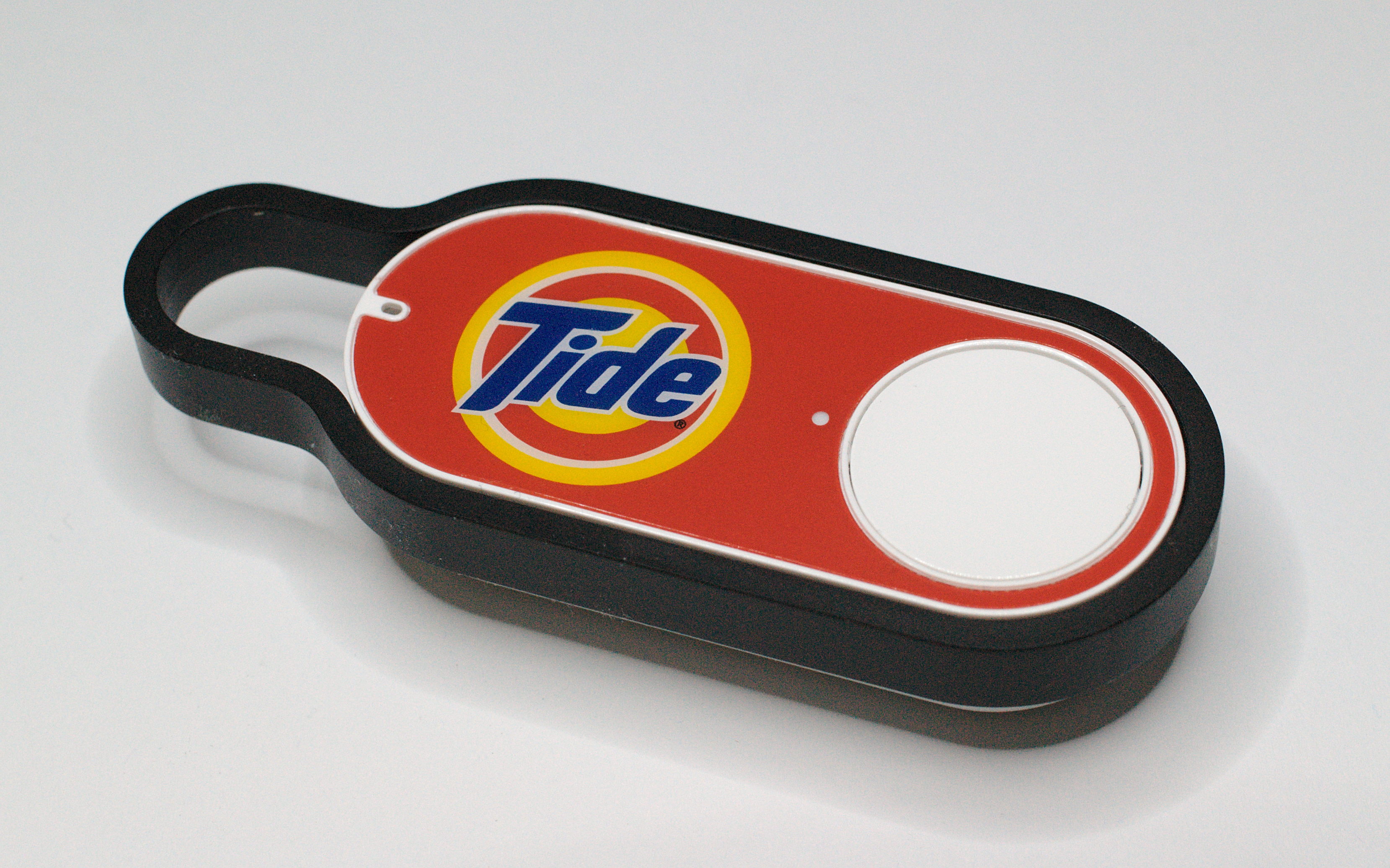
The concept of interacting with machines via voice predates modern computing, finding roots in early science fiction narratives and experimental speech recognition systems. However, the practical application of voice for shopping began to materialize in the mid-2010s. Amazon made a significant early play with its Amazon Dash service, which included physical buttons and barcode scanners for reordering household items. This was followed by the widespread adoption of smart speakers, most notably the Amazon Echo launched in 2014, powered by the Alexa voice service. Google quickly followed suit with its Google Home device and Google Assistant. These platforms began integrating e-commerce capabilities, allowing users to add items to carts, reorder past purchases, and even discover new products through spoken commands, transforming passive listening devices into active shopping portals.
⚙️ How It Works
At its core, voice activated shopping relies on a sophisticated interplay of technologies. First, a wake word (e.g., "Alexa," "Hey Google") activates the listening device. The user's spoken command is then captured by microphones and sent to the cloud for processing by Natural Language Processing (NLP) algorithms. These algorithms parse the speech, identify intent (e.g., "buy milk," "add to cart"), and extract key entities like product names and quantities. This interpreted command is then translated into an action within the e-commerce platform, such as querying product availability on Amazon.com or Walmart.com, adding items to a digital cart, or initiating a checkout process. Security protocols, often involving voice recognition or PIN codes, are employed to authorize purchases, ensuring that only the intended user can complete a transaction.
📊 Key Facts & Numbers
The economic footprint of voice activated shopping is substantial and growing. The market for voice commerce, or 'v-commerce', has seen significant growth, with projections estimating billions in transactions annually. Alexa powers tens of millions of devices, and Google Assistant is integrated into billions of devices, including smartphones and smart displays, creating a vast potential customer base for v-commerce.
👥 Key People & Organizations
Several key figures and organizations have been instrumental in shaping voice activated shopping. Jeff Bezos, founder of Amazon, spearheaded the development of Alexa and the Amazon Echo, fundamentally altering the retail landscape. Sundar Pichai, CEO of Google, has driven the advancement of Google Assistant, positioning it as a central hub for information and commerce. Companies like Samsung with its Bixby and Apple with Siri also play significant roles, though their e-commerce integrations have sometimes lagged. Retailers such as Walmart and Target have partnered with these tech giants to enable voice purchasing of their products, expanding the ecosystem beyond a single platform.
🌍 Cultural Impact & Influence
Voice activated shopping has subtly but profoundly altered consumer behavior and expectations. The sheer convenience of ordering items without lifting a finger has normalized hands-free commerce, particularly for routine purchases like groceries and household essentials. This has led to a rise in impulse buying, as the friction of traditional online shopping is removed. Furthermore, the auditory nature of v-commerce influences product discovery; users are more likely to purchase items recommended by the AI or items they can easily recall by name. This shift has also impacted marketing strategies, with brands focusing on memorable product names and ensuring their products are easily discoverable through voice search on platforms like Amazon.com. The integration into smart home ecosystems further embeds shopping into daily routines, blurring the lines between utility and consumption.
⚡ Current State & Latest Developments
The current state of voice activated shopping is one of continuous refinement and expansion. While initial excitement focused on smart speakers, the technology is increasingly being integrated into other devices, such as smart refrigerators and cars. Amazon continues to enhance Alexa's capabilities, introducing features like Alexa Shopping Lists and more personalized recommendations. Google is pushing its Google Assistant to perform more complex tasks, including proactive suggestions and multi-turn conversations for shopping. Major retailers are deepening their integrations, allowing for more sophisticated transactions, such as ordering specific items from a restaurant menu or booking appointments. The focus is shifting towards making voice shopping more intuitive, secure, and contextually relevant, moving beyond simple reordering to genuine product discovery and personalized shopping experiences.
🤔 Controversies & Debates
Significant controversies surround voice activated shopping, primarily concerning privacy and security. Smart speakers are always listening for their wake word, raising concerns about what data is being collected and how it is used by companies like Amazon and Google. Accidental purchases due to misheard commands or children interacting with devices are also a persistent issue, though platforms have implemented safeguards like voice profiles and purchase confirmations. Critics also point to the potential for algorithmic bias, where voice assistants might inadvertently favor certain brands or products, limiting consumer choice. The lack of visual feedback in voice shopping can also lead to dissatisfaction if the wrong product is ordered, a problem exacerbated by the difficulty of returning items purchased solely through voice command.
🔮 Future Outlook & Predictions
The future of voice activated shopping is poised for deeper integration and more intelligent interactions. We can expect advancements in AI that will enable more natural, conversational shopping experiences, moving beyond simple commands to nuanced dialogue about product features, comparisons, and personalized recommendations. The rise of Generative AI could further enhance this, allowing assistants to describe products vividly or even simulate virtual try-ons. The expansion of voice commerce into augmented reality (AR) and virtual reality (VR) environments is also on the horizon, offering immersive shopping experiences. Furthermore, as voice technology becomes more ubiquitous across devices, from wearables to home appliances, the boundaries of when and where we shop will continue to blur, potentially leading to a more seamless, albeit potentially more intrusive, retail future.
💡 Practical Applications
Voice activated shopping has a wide array of practical applications across various sectors. For consumers, it offers unparalleled convenience for reordering everyday items like groceries, toiletries, and pet supplies through services like Amazon Fresh or Instacart. It's also used for quick purchases of digital goods, such as music downloads or app purchases. In the automotive sector, drivers can use voice commands to order fuel, snacks, or car maintenance services while on the go. For businesses, voice integration can streamline inventory management and reordering processes for office supplies or operational equipment. The technology is also being explored for booking travel, ordering food delivery from restaurants like DoorDash, and even making charitable donations, demonstrating its versatility beyond simple retail transactions.
Key Facts
- Category
- technology
- Type
- topic