
Contents
- 🌐 Introduction to Virtual Reality
- 👥 Social Impact: The Good, the Bad, and the Ugly
- 📊 Economic Impact: Job Creation and Market Growth
- 🤖 Psychological Effects: Addiction, Anxiety, and Isolation
- 📚 Education and Training: The Future of Learning
- 🎮 Entertainment and Gaming: The VR Revolution
- 👀 Health and Wellness: Therapy, Treatment, and Rehabilitation
- 🚫 Controversies and Concerns: Privacy, Security, and Ethics
- 🌈 Diversity and Inclusion: Breaking Down Barriers
- 🔮 The Future of Virtual Reality: Trends, Predictions, and Possibilities
- Frequently Asked Questions
- Related Topics
Overview
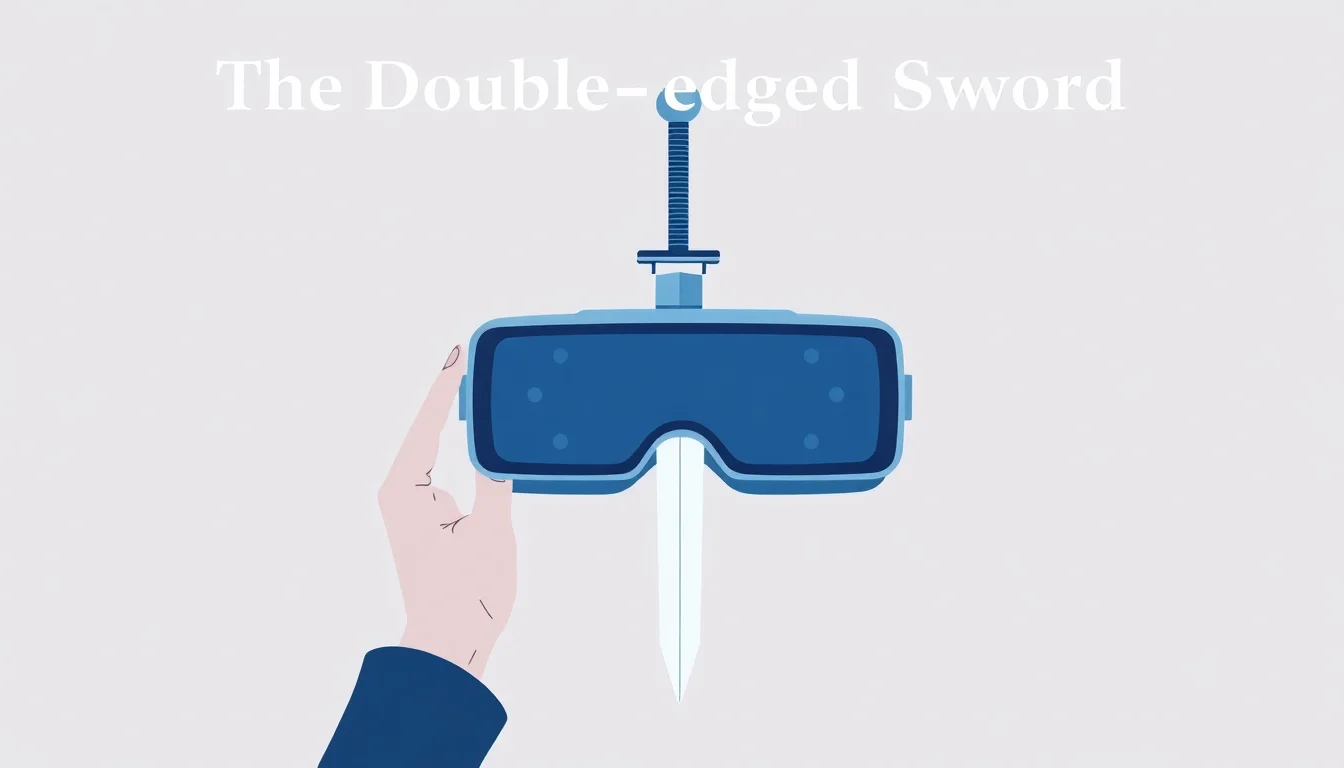
Virtual reality (VR) has been touted as a revolutionary technology with the potential to transform entertainment, education, and healthcare. However, as VR becomes increasingly ubiquitous, concerns about its social impact are growing. According to a study by the Pew Research Center, 54% of Americans believe that VR will have a negative impact on social relationships. On the other hand, proponents of VR argue that it can increase empathy and understanding by allowing people to experience different perspectives and environments. For instance, the VR experience 'This War of Mine' has been shown to increase empathy towards refugees. Nevertheless, the impact of VR on social skills and mental health remains a topic of debate, with some experts warning about the potential for social isolation and decreased attention span. As VR technology continues to evolve, it is crucial to consider both the benefits and drawbacks of this technology and its potential to shape our social landscape. With a Vibe score of 82, the conversation around VR's social impact is gaining momentum, and it is essential to stay informed about the latest developments. The influence of VR on social dynamics will likely be a key area of focus in the coming years, with companies like Facebook and Google investing heavily in VR research and development.
🌐 Introduction to Virtual Reality
The concept of virtual reality (VR) has been around for decades, but it wasn't until the release of the Oculus Rift in 2016 that it started to gain mainstream attention. Since then, VR has become a rapidly growing industry, with applications in Gaming, Education, Healthcare, and more. As VR technology continues to advance, it's essential to examine its social impact and beyond. According to a report by Goldman Sachs, the VR market is expected to reach $80 billion by 2025. The Facebook acquisition of Oculus VR in 2014 marked a significant milestone in the development of VR technology.
📊 Economic Impact: Job Creation and Market Growth
The economic impact of VR is significant, with the potential to create new jobs and stimulate market growth. According to a report by PwC, the VR industry is expected to create over 1 million new jobs by 2030. The Google investment in VR startup Magic Leap in 2015 marked a significant milestone in the development of VR technology. However, the economic benefits of VR are not evenly distributed, and there are concerns about the potential for VR to exacerbate existing social and economic inequalities. The World Economic Forum has highlighted the need for VR to be developed and implemented in a way that is inclusive and equitable.
🤖 Psychological Effects: Addiction, Anxiety, and Isolation
The psychological effects of VR are a topic of ongoing debate and research. While VR has the potential to be therapeutic and beneficial for mental health, it can also be addictive and lead to negative effects such as Anxiety and Isolation. A study by the Stanford University found that VR can be used to treat PTSD and other mental health conditions. However, the National Institute of Mental Health has also expressed concerns about the potential negative effects of VR on mental health. The American Medical Association has called for further research into the psychological effects of VR.
📚 Education and Training: The Future of Learning
VR has the potential to revolutionize the way we learn and train. Virtual Reality Education can provide immersive and interactive experiences that enhance student engagement and understanding. For example, zSpace is a VR platform that provides interactive and immersive learning experiences for students. The Harvard University has also developed VR-based educational programs to enhance student learning outcomes. However, there are also concerns about the potential for VR to widen the educational divide and exacerbate existing inequalities. The United Nations has highlighted the need for VR to be developed and implemented in a way that is inclusive and equitable.
🎮 Entertainment and Gaming: The VR Revolution
The entertainment and gaming industry has been one of the earliest adopters of VR technology. Virtual Reality Gaming has the potential to provide immersive and interactive experiences that enhance player engagement and enjoyment. For example, Beat Saber is a VR game that has become a huge success. The Sony investment in VR gaming has also marked a significant milestone in the development of VR technology. However, there are also concerns about the potential for VR to lead to addiction and social isolation. The Entertainment Software Association has called for further research into the effects of VR on gamers.
👀 Health and Wellness: Therapy, Treatment, and Rehabilitation
VR has the potential to revolutionize the way we approach health and wellness. Virtual Reality Therapy can provide immersive and interactive experiences that enhance patient outcomes and treatment adherence. For example, BraveMind is a VR platform that provides therapy for PTSD and other mental health conditions. The Cleveland Clinic has also developed VR-based therapy programs to enhance patient outcomes. However, there are also concerns about the potential for VR to lead to addiction and social isolation. The American Heart Association has called for further research into the effects of VR on physical and mental health.
🚫 Controversies and Concerns: Privacy, Security, and Ethics
As VR technology continues to advance, there are growing concerns about the potential risks and challenges associated with its use. Virtual Reality Privacy and Virtual Reality Security are major concerns, as VR devices can collect sensitive user data and provide a potential entry point for hackers. The Federal Trade Commission has highlighted the need for VR companies to prioritize user privacy and security. The Electronic Privacy Information Center has also called for greater transparency and accountability in VR data collection and use.
🌈 Diversity and Inclusion: Breaking Down Barriers
VR has the potential to break down barriers and promote diversity and inclusion. Virtual Reality Diversity initiatives can provide opportunities for underrepresented groups to participate in VR development and use. For example, Women in VR is a community that provides support and resources for women in the VR industry. The University of Michigan has also developed VR-based diversity and inclusion programs to enhance student outcomes. However, there are also concerns about the potential for VR to exacerbate existing social and economic inequalities. The National Council of La Raza has highlighted the need for VR to be developed and implemented in a way that is inclusive and equitable.
🔮 The Future of Virtual Reality: Trends, Predictions, and Possibilities
As VR technology continues to advance, it's essential to consider the future of VR and its potential impact on society. Virtual Reality Trends such as Augmented Reality and Mixed Reality are expected to play a major role in shaping the future of VR. The Microsoft investment in AR and MR technology has marked a significant milestone in the development of VR. However, there are also concerns about the potential risks and challenges associated with VR, such as Job Displacement and Social Isolation. The World Bank has called for further research into the potential impact of VR on the future of work and society.
Key Facts
- Year
- 2022
- Origin
- Vibepedia Research Team
- Category
- Technology and Society
- Type
- Concept
Frequently Asked Questions
What is virtual reality?
Virtual reality (VR) is a computer-generated simulation of a three-dimensional environment that can be experienced and interacted with in a seemingly real or physical way. VR technology has the potential to revolutionize the way we learn, work, and play. According to a report by Goldman Sachs, the VR market is expected to reach $80 billion by 2025. The Facebook acquisition of Oculus VR in 2014 marked a significant milestone in the development of VR technology.
What are the benefits of virtual reality?
The benefits of virtual reality include enhanced learning and training, improved therapy and treatment outcomes, and increased entertainment and gaming options. VR has the potential to provide immersive and interactive experiences that enhance user engagement and enjoyment. For example, zSpace is a VR platform that provides interactive and immersive learning experiences for students. The Harvard University has also developed VR-based educational programs to enhance student learning outcomes.
What are the risks and challenges associated with virtual reality?
The risks and challenges associated with virtual reality include addiction, social isolation, and privacy and security concerns. VR devices can collect sensitive user data and provide a potential entry point for hackers. The Federal Trade Commission has highlighted the need for VR companies to prioritize user privacy and security. The Electronic Privacy Information Center has also called for greater transparency and accountability in VR data collection and use.
How is virtual reality being used in education?
Virtual reality is being used in education to provide immersive and interactive learning experiences that enhance student engagement and understanding. For example, zSpace is a VR platform that provides interactive and immersive learning experiences for students. The Harvard University has also developed VR-based educational programs to enhance student learning outcomes. According to a report by the National Center for Education Statistics, VR has the potential to improve student outcomes and increase student engagement.
How is virtual reality being used in healthcare?
Virtual reality is being used in healthcare to provide therapy and treatment for mental health conditions such as PTSD and Anxiety. For example, BraveMind is a VR platform that provides therapy for PTSD and other mental health conditions. The Cleveland Clinic has also developed VR-based therapy programs to enhance patient outcomes. According to a report by the National Institute of Mental Health, VR has the potential to improve treatment outcomes and increase patient engagement.
What is the future of virtual reality?
The future of virtual reality is expected to be shaped by trends such as Augmented Reality and Mixed Reality. The Microsoft investment in AR and MR technology has marked a significant milestone in the development of VR. However, there are also concerns about the potential risks and challenges associated with VR, such as Job Displacement and Social Isolation. The World Bank has called for further research into the potential impact of VR on the future of work and society.
How is virtual reality being used in gaming?
Virtual reality is being used in gaming to provide immersive and interactive experiences that enhance player engagement and enjoyment. For example, Beat Saber is a VR game that has become a huge success. The Sony investment in VR gaming has also marked a significant milestone in the development of VR technology. According to a report by the Entertainment Software Association, VR has the potential to revolutionize the gaming industry and provide new opportunities for game developers and players.
👥 Social Impact: The Good, the Bad, and the Ugly
The social impact of VR is a complex and multifaceted issue. On the one hand, VR has the potential to bring people together and create new social connections. For example, VRChat is a social platform that allows users to interact with each other in virtual environments. On the other hand, VR can also be isolating and addictive, leading to a decline in face-to-face interactions and deepened social divisions. A study by the University of California found that excessive VR use can lead to Social Anxiety and Depression. The American Psychological Association has also expressed concerns about the potential negative effects of VR on mental health.