
Contents
- 🎵 Origins & History
- ⚙️ How It Works
- 📊 Key Facts & Numbers
- 👥 Key People & Organizations
- 🌍 Cultural Impact & Influence
- ⚡ Current State & Latest Developments
- 🤔 Controversies & Debates
- 🔮 Future Outlook & Predictions
- 💡 Practical Applications
- 📚 Related Topics & Deeper Reading
- Frequently Asked Questions
- References
- Related Topics
Overview
Viral videos are online content that spreads rapidly through internet sharing, primarily via video sharing platforms like YouTube, TikTok, and social media sites such as Facebook and Twitter. These videos can range from serious and emotional to entertaining and comedic, often capturing the attention of a wide audience and becoming a part of internet culture. With the rise of social media, the concept of viral videos has evolved, and notable examples include PSY's 'Gangnam Style', Justin Bieber's 'Baby', and Kony 2012. The phenomenon of viral videos has also led to the creation of new forms of content, such as challenges, memes, and reaction videos, which have become an integral part of online culture. As of 2022, the most viewed video on YouTube is Baby Shark Dance with over 10 billion views. The viral video phenomenon continues to shape the way we consume and interact with online content, with new platforms and trends emerging every year. For instance, the rise of TikTok has led to the creation of new forms of short-form content, while YouTube continues to be a major platform for video sharing and discovery. The impact of viral videos on popular culture is undeniable, with many videos becoming a part of mainstream culture and influencing the way we think and behave. With the increasing importance of social media and online platforms, the phenomenon of viral videos is likely to continue shaping the way we interact with each other and with online content.
🎵 Origins & History
The concept of viral videos dates back to the early 2000s, when platforms like YouTube and MySpace first emerged. One of the earliest examples of a viral video is the 'Numa Numa' video, which was uploaded to Newgrounds in 2004 and quickly gained popularity. Other notable early examples include 'The Evolution of Dance' and 'Chocolate Rain', which were both uploaded to YouTube in 2006. These videos were often shared through email, instant messaging, and social media, and their popularity was fueled by their entertainment value and the ease of sharing them online. As social media platforms like Facebook and Twitter gained popularity, the concept of viral videos evolved, and new forms of content, such as challenges and memes, began to emerge. For instance, the 'Ice Bucket Challenge' which was started by Pete Frates in 2014, raised over $100 million for ALS Association and became a viral sensation, with many celebrities and influencers participating in the challenge.
⚙️ How It Works
The process of creating and sharing viral videos involves a combination of factors, including the quality of the content, the timing of the upload, and the use of social media platforms to promote the video. Many viral videos are created by individuals or small groups, and are often uploaded to platforms like YouTube or TikTok. Once uploaded, the video can be shared through social media, email, and other online channels, and can quickly gain popularity if it resonates with a wide audience. For example, the video 'David After Dentist' which was uploaded to YouTube in 2009, became a viral hit and has been viewed over 137 million times. The video's success can be attributed to its relatability and humor, as well as the fact that it was shared widely on social media platforms like Facebook and Twitter.
📊 Key Facts & Numbers
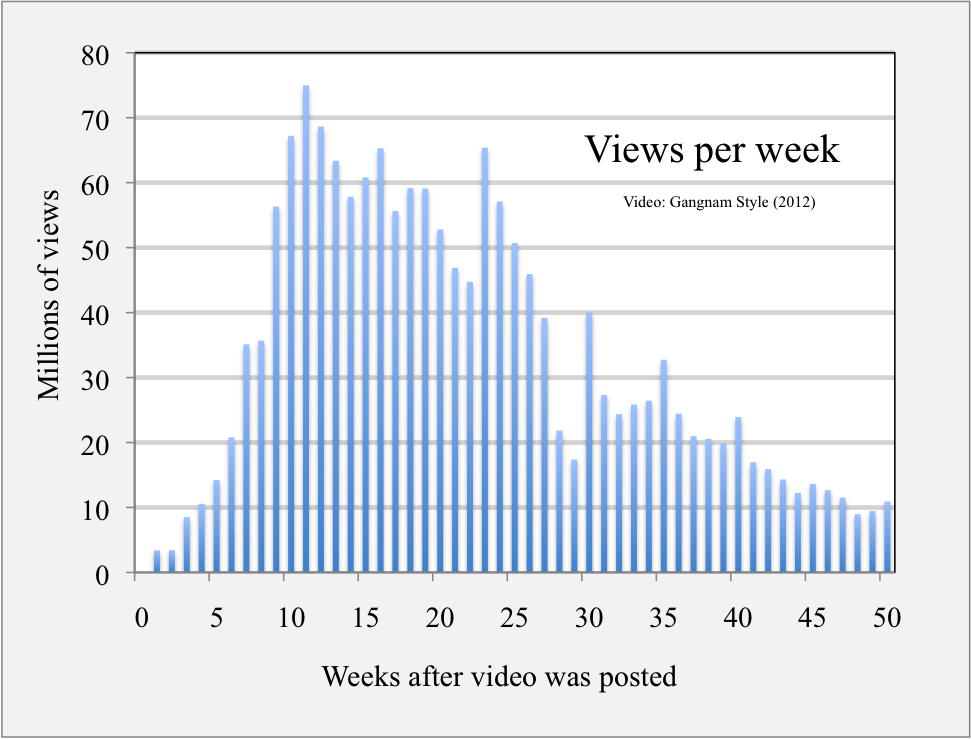
Some notable statistics about viral videos include the fact that the most viewed video on YouTube is Baby Shark Dance with over 10 billion views, and that the average person spends over 2 hours per day watching online videos. Additionally, viral videos can have a significant impact on popular culture, with many videos becoming a part of mainstream culture and influencing the way we think and behave. For instance, the video 'Gangnam Style' by PSY became a cultural phenomenon in 2012, and its dance move was widely imitated and parodied. The video's success can be attributed to its catchy beat and humorous lyrics, as well as the fact that it was shared widely on social media platforms like Facebook and Twitter.
👥 Key People & Organizations
Key people and organizations involved in the creation and sharing of viral videos include YouTube creators like PewDiePie and Markiplier, as well as social media influencers like Kim Kardashian and Justin Bieber. These individuals and organizations often have large followings and can help to promote viral videos by sharing them with their fans. For example, PewDiePie has over 100 million subscribers on YouTube, and his videos often receive millions of views within hours of being uploaded. Additionally, companies like Google and Facebook play a significant role in the creation and sharing of viral videos, as they provide the platforms and tools that enable users to create and share content. For instance, Google's video sharing platform YouTube is the largest video sharing platform in the world, with over 2 billion monthly active users.
🌍 Cultural Impact & Influence
The cultural impact of viral videos is significant, as they can influence the way we think and behave, and can often become a part of mainstream culture. For example, the 'Harlem Shake' video, which was uploaded to YouTube in 2013, became a viral sensation and was widely imitated and parodied. The video's success can be attributed to its catchy beat and humorous dance move, as well as the fact that it was shared widely on social media platforms like Facebook and Twitter. Additionally, viral videos can often be used to raise awareness about social issues, such as the 'Kony 2012' video, which was uploaded to YouTube in 2012 and became a viral sensation, raising awareness about the Lord's Resistance Army and its leader, Joseph Kony. The video's success can be attributed to its emotional appeal and the fact that it was shared widely on social media platforms like Facebook and Twitter.
⚡ Current State & Latest Developments
The current state of viral videos is constantly evolving, with new platforms and trends emerging every year. For example, the rise of TikTok has led to the creation of new forms of short-form content, while YouTube continues to be a major platform for video sharing and discovery. Additionally, the use of social media platforms like Instagram and Twitter to promote viral videos has become increasingly important, as these platforms provide a way for creators to reach a wide audience and promote their content. For instance, TikTok has become a major platform for creators to showcase their talents and gain a following, with many users gaining millions of followers and becoming influencers in their own right.
🤔 Controversies & Debates
One of the controversies surrounding viral videos is the issue of copyright infringement, as many viral videos use copyrighted material without permission. For example, the 'Numa Numa' video, which was uploaded to Newgrounds in 2004, used a copyrighted song without permission, and the creator of the video was later sued by the song's owner. Additionally, the use of viral videos for commercial purposes has become a topic of debate, as some creators have used viral videos to promote products or services without disclosing their relationship with the company. For instance, the Federal Trade Commission has guidelines for sponsored content on social media, and creators must disclose their relationship with the company if they are promoting a product or service.
🔮 Future Outlook & Predictions
The future of viral videos is likely to be shaped by the continued evolution of social media platforms and the rise of new technologies like virtual and augmented reality. For example, the use of virtual reality to create immersive experiences is becoming increasingly popular, and could potentially lead to the creation of new forms of viral content. Additionally, the use of artificial intelligence to create and promote viral videos is becoming more prevalent, and could potentially lead to the creation of more sophisticated and engaging forms of content. For instance, Google's AI-powered video editing tool, Google Cloud Video Intelligence, can be used to create and edit videos, and could potentially be used to create viral content.
💡 Practical Applications
The practical applications of viral videos are numerous, and include the use of viral videos for marketing and advertising, as well as the use of viral videos for social commentary and activism. For example, the 'Kony 2012' video, which was uploaded to YouTube in 2012, was used to raise awareness about the Lord's Resistance Army and its leader, Joseph Kony, and became a viral sensation. Additionally, viral videos can be used to promote products or services, and can often be more effective than traditional forms of advertising. For instance, Dollar Shave Club used a viral video to promote their product, and the video became a huge success, with over 20 million views on YouTube.
Key Facts
- Year
- 2004
- Origin
- Internet
- Category
- culture
- Type
- phenomenon
Frequently Asked Questions
What is a viral video?
How do viral videos spread?
Viral videos spread through a combination of factors, including the quality of the content, the timing of the upload, and the use of social media platforms to promote the video. For example, a video that is uploaded to YouTube and shared on Facebook and Twitter is more likely to become viral than a video that is only uploaded to YouTube.
What are some examples of viral videos?
Some examples of viral videos include the 'Numa Numa' video, the 'Evolution of Dance' video, and the 'Kony 2012' video. These videos were all uploaded to YouTube and became popular through a viral process of internet sharing.
How can I create a viral video?
To create a viral video, you need to create content that is high-quality, engaging, and relevant to your audience. You also need to promote your video through social media platforms like Facebook and Twitter, and engage with your audience to encourage sharing and commenting. For example, you can use TikTok to create short-form videos and share them on Instagram and Twitter.
What is the impact of viral videos on popular culture?
Viral videos can have a significant impact on popular culture, as they can influence the way we think and behave, and can often become a part of mainstream culture. For example, the 'Harlem Shake' video, which was uploaded to YouTube in 2013, became a viral sensation and was widely imitated and parodied. The video's success can be attributed to its catchy beat and humorous dance move, as well as the fact that it was shared widely on social media platforms like Facebook and Twitter.
How can I use viral videos for marketing and advertising?
You can use viral videos for marketing and advertising by creating content that is high-quality, engaging, and relevant to your target audience. You can also use social media platforms like Facebook and Twitter to promote your video and encourage sharing and commenting. For example, you can use YouTube to create product review videos and share them on Facebook and Twitter.
What are some of the challenges of creating viral videos?
Some of the challenges of creating viral videos include the difficulty of creating content that is high-quality and engaging, the need to promote the video through social media platforms, and the risk of copyright infringement. For example, the 'Numa Numa' video, which was uploaded to Newgrounds in 2004, used a copyrighted song without permission, and the creator of the video was later sued by the song's owner.