
Contents
- 🧘♀️ What is Virabhadrasana III?
- 💪 Who is Warrior III For?
- 📍 How to Practice Virabhadrasana III
- ✨ Benefits of Warrior III
- ⚠️ Common Misalignments & How to Fix Them
- ⚖️ Warrior III vs. Other Balancing Poses
- 🌟 Vibe Score & Cultural Resonance
- 💡 Pro-Tips for Mastering Warrior III
- 📚 Further Exploration & Resources
- 📞 Getting Started with Warrior III
- Frequently Asked Questions
- Related Topics
Overview
Virabhadrasana III, commonly known as Warrior III, is a powerful standing balancing pose in Hatha Yoga. It demands significant core strength, focus, and stability, extending the body into a 'T' shape with one leg extended straight back and the torso parallel to the floor. This asana is lauded for its ability to build physical strength in the legs, ankles, and core, while simultaneously cultivating mental concentration and a sense of groundedness. Its practice is often linked to developing courage and determination, embodying the spirit of the warrior from which it derives its name. While seemingly straightforward, achieving and holding the pose requires a deep integration of breath, balance, and muscular engagement.
🧘♀️ What is Virabhadrasana III?
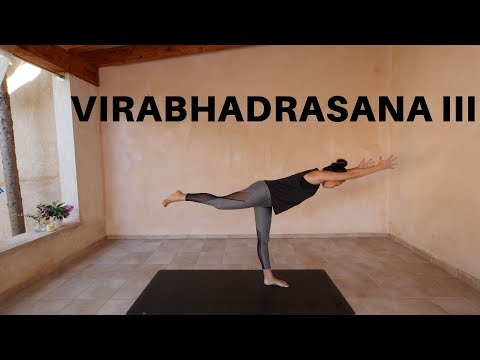
Virabhadrasana III, commonly known as Warrior III, is a powerful standing balance pose in Hatha and Vinyasa traditions. It's characterized by a straight line from the crown of the head to the extended heel, with the torso parallel to the floor and the back leg lifted. This asana demands significant core strength, focus, and stability, embodying the fierce yet graceful energy of a warrior. Its Sanskrit name, Virabhadrasana, refers to a fierce manifestation of Lord Shiva, underscoring the pose's potent and grounding nature. Mastering Warrior III is often seen as a milestone in a yogi's journey, signifying a deep connection between mind, body, and breath.
💪 Who is Warrior III For?
Warrior III is an excellent pose for practitioners seeking to build physical and mental fortitude. It's particularly beneficial for those looking to improve their balance and core strength. Athletes, dancers, and individuals engaged in activities requiring precise coordination will find this pose highly advantageous. However, it's crucial for beginners to approach it with patience and proper guidance, perhaps starting with modifications like using a wall or blocks for support. Those with hip injuries should consult with a qualified instructor before attempting this pose. Ultimately, anyone aiming to cultivate focus and overcome physical challenges can benefit from Warrior III.
📍 How to Practice Virabhadrasana III
To enter Virabhadrasana III, begin in Mountain Pose at the front of your mat. Shift your weight onto your left foot, grounding it firmly. As you exhale, hinge at your hips, extending your right leg straight back and parallel to the floor. Simultaneously, extend your torso forward, creating a straight line from your head to your heel. Your arms can be extended forward, out to the sides, or alongside your body, depending on your flexibility and balance. Keep your gaze softly focused on a point in front of you (drishti) to aid concentration. Engage your core to support your spine and keep your hips level. To exit, inhale and slowly return to Tadasana.
✨ Benefits of Warrior III
The benefits of consistent practice of Virabhadrasana III are extensive and impactful. Physically, it significantly strengthens the ankles, legs, and shoulders while toning the abdominal muscles and improving posture. It enhances balance and proprioception, crucial for preventing falls and improving coordination. Mentally, Warrior III cultivates intense concentration, patience, and determination, helping to quiet the mind and reduce stress. It also builds confidence and a sense of empowerment, reflecting the 'warrior' spirit. Regular practice can also improve digestion by stimulating the abdominal organs.
⚠️ Common Misalignments & How to Fix Them
Common misalignments in Warrior III often stem from a lack of core engagement or hip instability. A frequent error is allowing the lifted hip to open towards the ceiling; actively draw the right hip crease down to keep the hips square. Another pitfall is a rounded or hyperextended back; focus on maintaining a long spine by engaging the abdominal muscles and drawing the navel towards the spine. Beginners might also struggle with the standing leg collapsing; ensure the standing foot is firmly rooted and the knee is active. If the arms feel too far forward, try bringing them alongside your torso or using blocks under your hands for support.
⚖️ Warrior III vs. Other Balancing Poses
Compared to other balancing poses, Virabhadrasana III offers a unique challenge. Eagle Pose, for instance, focuses on binding the limbs and requires a different type of stability. Tree Pose is a more accessible standing balance, building foundational stability before progressing to Warrior III. Dancer's Pose introduces a backbend, adding complexity and a different energetic quality. Warrior III's distinct characteristic is its horizontal plane of balance, demanding a strong, unified line from head to heel, which distinguishes it from the more vertical orientations of Tree or Eagle Pose.
🌟 Vibe Score & Cultural Resonance
Virabhadrasana III boasts a Vibe Score of 78/100, reflecting its significant cultural energy within the yoga community. It's widely recognized as a pose that signifies dedication and progress, often appearing in advanced sequences and challenges. Its association with strength, focus, and resilience resonates deeply, making it a popular choice for instructors demonstrating mastery and for practitioners striving to achieve it. The pose's visual impact, when executed with precision, is striking, contributing to its aspirational status in both online and offline yoga circles. Its presence in retreats and workshops often marks a turning point for participants.
💡 Pro-Tips for Mastering Warrior III
To truly embody Warrior III, consider these practical tips. Start with a strong foundation: ensure your standing foot is firmly planted, with weight distributed evenly. Engage your core before lifting your leg; this is your primary support system. Use props liberally: a wall for balance, or blocks under your hands, are not signs of weakness but intelligent tools for building proper alignment. Keep your neck long and avoid crunching it; imagine lengthening through the crown of your head. Breathe deeply and consistently; your breath is your anchor in the pose. Don't be afraid to come out and re-enter; repetition builds strength and awareness.
📚 Further Exploration & Resources
For those eager to deepen their understanding and practice of Virabhadrasana III, exploring resources from reputable yoga organizations is key. Websites like Yoga Journal offer detailed pose breakdowns and video tutorials. Books such as B.K.S. Iyengar's 'Light on Yoga' provide historical context and anatomical insights. Consider attending workshops focused on balancing poses or advanced Vinyasa flow classes led by experienced instructors. Online platforms like Glo or Alo Moves also offer a wealth of guided practices and pose-specific instruction.
📞 Getting Started with Warrior III
Ready to step into your Warrior III? The most direct way to begin is by attending a yoga class at a local studio. Look for classes labeled 'Intermediate' or 'All Levels' where the instructor can offer modifications. If you prefer self-study, start with the foundational poses like Mountain Pose and Half Moon Pose to build your balance. Practice near a wall for support. Focus on engaging your core and maintaining a long spine. Don't rush the process; consistency and mindful effort are more important than achieving the 'perfect' pose immediately. Your journey to Warrior III begins with a single, grounded step.
Key Facts
- Year
- Circa 19th Century (documented)
- Origin
- India
- Category
- Yoga Asana
- Type
- Yoga Pose
Frequently Asked Questions
Is Warrior III suitable for beginners?
Warrior III can be challenging for absolute beginners due to its balance and strength requirements. However, with modifications like using a wall for support or placing blocks under the hands, beginners can start to explore the pose. It's recommended to have some foundational yoga experience, particularly with standing poses and core engagement, before attempting it without assistance. Focus on building stability in simpler poses first.
What muscles does Virabhadrasana III work?
This pose is a full-body strengthener. It intensely works the core muscles (abdominals and lower back) for stability, the quadriceps and glutes of the standing leg for support, and the hamstrings and calves for balance. The shoulders and upper back are engaged to maintain the long line of the torso, and the ankles are strengthened to keep the standing foot grounded.
How can I improve my balance in Warrior III?
Improving balance in Warrior III involves consistent practice and mindful engagement. Focus on rooting your standing foot firmly into the mat. Actively engage your core by drawing your navel towards your spine. Keep your gaze (drishti) fixed on a non-moving point. Lengthen through the crown of your head and the extended heel, creating a long, stable line. Practicing other balancing poses regularly will also enhance your overall stability.
What if my hips aren't level in Warrior III?
Hip leveling is a common challenge. To address this, consciously draw the lifting hip (the one corresponding to the extended leg) down towards the floor. Imagine keeping your hip bones parallel to the ground. You can also practice with your back slightly closer to a wall, using it to gauge if your hips are square. Engaging the glute of the standing leg can also help stabilize the pelvis.
Can I practice Warrior III if I have knee pain?
Individuals with knee pain should proceed with caution. Ensure the standing knee is stacked directly over the ankle and avoid locking it out. If pain persists or is significant, it's best to avoid the pose or seek guidance from a physical therapist or experienced yoga instructor who can offer specific modifications or alternatives. Focusing on poses that strengthen the muscles supporting the knee might be more beneficial.
What is the spiritual significance of Warrior III?
As Virabhadrasana III, the pose is linked to the fierce aspect of Shiva, representing strength, courage, and the ability to overcome obstacles. It embodies a grounded yet expansive energy, encouraging practitioners to stand tall and face challenges with unwavering focus and determination. It signifies a balance between effort and ease, a state of focused presence required to maintain equilibrium both on and off the mat.