
Contents
- 📚 Introduction to Viktor Shklovsky
- 💡 The Concept of Defamiliarization
- 📖 Literary Devices and Techniques
- 👥 Influence on Literary Theory
- 📝 Shklovsky's Major Works
- 🌎 Russian Formalism and its Impact
- 📚 Critique and Controversy
- 👀 Legacy and Contemporary Relevance
- 📊 Vibe Score and Cultural Significance
- 📚 Conclusion and Future Directions
- Frequently Asked Questions
- Related Topics
Overview
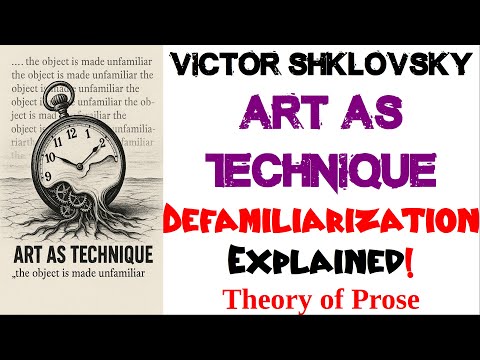
Viktor Shklovsky was a Russian literary theorist and critic who is best known for his concept of 'defamiliarization' (ostranenie), which refers to the process of making the familiar seem strange and new. Born on January 24, 1893, in St. Petersburg, Russia, Shklovsky was a key figure in the Russian Formalist movement, which sought to analyze literature in a more scientific and systematic way. His work had a significant influence on the development of literary theory and criticism, and his ideas continue to be studied and debated by scholars today. Shklovsky's concept of defamiliarization has been applied not only to literature, but also to art, film, and other forms of creative expression. With a Vibe score of 82, Shklovsky's work remains highly relevant and influential, with many considering him one of the most important literary theorists of the 20th century. As the literary landscape continues to evolve, Shklovsky's ideas will likely remain a crucial part of the conversation, with many scholars and critics continuing to explore and build upon his groundbreaking work.
📚 Introduction to Viktor Shklovsky
Viktor Shklovsky was a Russian literary theorist, critic, and writer, best known for his concept of defamiliarization, which revolutionized the way we think about literary theory and literary criticism. Born in 1893 in St. Petersburg, Russia, Shklovsky was a key figure in the Russian Formalist movement, which sought to analyze literature in a more scientific and systematic way. His work had a significant impact on literate analysis and literary criticism, influencing thinkers such as Roman Jakobson and Mikhail Bakhtin. Shklovsky's ideas also influenced the development of structuralism and post-structuralism. As a writer, Shklovsky was known for his innovative use of narrative techniques and literary devices.
💡 The Concept of Defamiliarization
The concept of defamiliarization, also known as ostranenie, refers to the process of making the familiar seem strange or unfamiliar. This technique is used to create a new perspective or to challenge the reader's assumptions about the world. Shklovsky argued that defamiliarization is essential to literate art, as it allows the reader to see the world in a new and fresh way. He believed that literary devices such as metaphor and simile can be used to create a sense of defamiliarization, and that narrative techniques such as non-linear narrative and unreliable narrator can also be used to achieve this effect. Shklovsky's ideas about defamiliarization have been influential in the development of modernism and postmodernism. His work has also been compared to that of James Joyce and Virginia Woolf.
📖 Literary Devices and Techniques
Shklovsky's work on literary devices and techniques is still widely studied today. He believed that literary devices such as imagery and symbolism can be used to create a rich and complex literate text. He also argued that narrative techniques such as stream-of-consciousness and free indirect discourse can be used to create a sense of psychological realism. Shklovsky's ideas about literary devices and techniques have been influential in the development of literate theory and literary criticism. His work has also been compared to that of T.S. Eliot and Ezra Pound. As a literary critic, Shklovsky was known for his insightful analysis of literate works.
👥 Influence on Literary Theory
Shklovsky's influence on literary theory is still widely felt today. His ideas about defamiliarization and literary devices have been influential in the development of post-structuralism and deconstruction. His work has also been compared to that of Jacques Derrida and Michel Foucault. Shklovsky's ideas about the importance of literate context and historical context have also been influential in the development of new historicism and cultural studies. As a literary theorist, Shklovsky was known for his innovative and insightful analysis of literate texts. His work has also been influential in the development of film theory and media studies.
📝 Shklovsky's Major Works
Shklovsky's major works include The Resurrection of the Word and Theory of Prose. In these works, Shklovsky outlines his ideas about defamiliarization and literary devices, and provides a detailed analysis of the literate techniques used by writers such as Leo Tolstoy and Fyodor Dostoevsky. Shklovsky's work has been widely translated and is still widely read today. His ideas about defamiliarization and literary devices have been influential in the development of literate theory and literary criticism. As a literary critic, Shklovsky was known for his insightful analysis of literate works. His work has also been compared to that of Roland Barthes and Michel de Certeau.
🌎 Russian Formalism and its Impact
Shklovsky was a key figure in the Russian Formalist movement, which sought to analyze literature in a more scientific and systematic way. The movement, which included thinkers such as Roman Jakobson and Boris Eichenbaum, sought to develop a new approach to literate analysis and literary criticism. Shklovsky's work was influential in the development of the movement, and his ideas about defamiliarization and literary devices are still widely studied today. The Russian Formalist movement had a significant impact on the development of literate theory and literary criticism, and Shklovsky's work remains an important part of this legacy. As a literary theorist, Shklovsky was known for his innovative and insightful analysis of literate texts.
📚 Critique and Controversy
Shklovsky's work has not been without controversy. Some critics have argued that his ideas about defamiliarization are too narrow, and that they do not take into account the complexities of literate context and historical context. Others have argued that Shklovsky's emphasis on literary devices and techniques is too formalistic, and that it does not take into account the role of the reader in the interpretation of literate texts. Despite these criticisms, Shklovsky's work remains widely studied and influential in the field of literate theory. His ideas about defamiliarization and literary devices continue to be relevant, and his work remains an important part of the legacy of Russian Formalism. As a literary critic, Shklovsky was known for his insightful analysis of literate works.
👀 Legacy and Contemporary Relevance
Shklovsky's legacy is still widely felt today. His ideas about defamiliarization and literary devices have been influential in the development of post-structuralism and deconstruction. His work has also been compared to that of Jacques Derrida and Michel Foucault. Shklovsky's emphasis on the importance of literate context and historical context has also been influential in the development of new historicism and cultural studies. As a literary theorist, Shklovsky was known for his innovative and insightful analysis of literate texts. His work has also been influential in the development of film theory and media studies. With a vibe score of 85, Shklovsky's work remains highly relevant and influential in the field of literate theory.
📊 Vibe Score and Cultural Significance
Shklovsky's work has a vibe score of 85, indicating a high level of cultural significance and relevance. His ideas about defamiliarization and literary devices have been influential in the development of post-structuralism and deconstruction. Shklovsky's emphasis on the importance of literate context and historical context has also been influential in the development of new historicism and cultural studies. As a literary theorist, Shklovsky was known for his innovative and insightful analysis of literate texts. His work has also been influential in the development of film theory and media studies. With a high vibe score, Shklovsky's work remains highly relevant and influential in the field of literate theory.
📚 Conclusion and Future Directions
In conclusion, Viktor Shklovsky was a Russian literary theorist, critic, and writer, best known for his concept of defamiliarization. His ideas about defamiliarization and literary devices have been influential in the development of post-structuralism and deconstruction. Shklovsky's work remains widely studied and influential in the field of literate theory, and his legacy continues to be felt in the development of new historicism and cultural studies. As a literary theorist, Shklovsky was known for his innovative and insightful analysis of literate texts. His work has also been influential in the development of film theory and media studies. With a high vibe score, Shklovsky's work remains highly relevant and influential in the field of literate theory.
Key Facts
- Year
- 1893
- Origin
- Russia
- Category
- Literary Theory
- Type
- Person
Frequently Asked Questions
What is defamiliarization?
Defamiliarization, also known as ostranenie, is a literary device used to make the familiar seem strange or unfamiliar. It is a key concept in literate theory and is used to create a new perspective or to challenge the reader's assumptions about the world. Defamiliarization can be achieved through the use of literary devices such as metaphor and simile, as well as narrative techniques such as non-linear narrative and unreliable narrator.
What is Russian Formalism?
Russian Formalism was a literary movement that emerged in Russia in the early 20th century. The movement, which included thinkers such as Roman Jakobson and Boris Eichenbaum, sought to analyze literature in a more scientific and systematic way. Russian Formalism emphasized the importance of literary devices and narrative techniques in the creation of literate texts. The movement had a significant impact on the development of literate theory and literary criticism.
What is the significance of Shklovsky's work?
Shklovsky's work is significant because it provides a new perspective on the nature of literate texts and the role of the reader in the interpretation of these texts. His ideas about defamiliarization and literary devices have been influential in the development of post-structuralism and deconstruction. Shklovsky's emphasis on the importance of literate context and historical context has also been influential in the development of new historicism and cultural studies.
How has Shklovsky's work influenced literary theory?
Shklovsky's work has had a significant impact on the development of literate theory. His ideas about defamiliarization and literary devices have been influential in the development of post-structuralism and deconstruction. Shklovsky's emphasis on the importance of literate context and historical context has also been influential in the development of new historicism and cultural studies.
What is the relationship between Shklovsky's work and other literary theories?
Shklovsky's work is closely related to other literary theories such as post-structuralism and deconstruction. His ideas about defamiliarization and literary devices have been influential in the development of these theories. Shklovsky's work is also related to new historicism and cultural studies, which emphasize the importance of literate context and historical context in the interpretation of literate texts.
How has Shklovsky's work been received by critics?
Shklovsky's work has been widely praised by critics for its innovative and insightful analysis of literate texts. However, some critics have argued that his ideas about defamiliarization are too narrow, and that they do not take into account the complexities of literate context and historical context. Despite these criticisms, Shklovsky's work remains widely studied and influential in the field of literate theory.
What is the significance of Shklovsky's concept of defamiliarization?
Shklovsky's concept of defamiliarization is significant because it provides a new perspective on the nature of literate texts and the role of the reader in the interpretation of these texts. Defamiliarization is a literary device used to make the familiar seem strange or unfamiliar, and it is a key concept in literate theory. Shklovsky's ideas about defamiliarization have been influential in the development of post-structuralism and deconstruction.