
Contents
- 🎵 Origins & History
- ⚙️ How It Worked
- 📊 Key Facts & Numbers
- 👥 Key People & Organizations
- 🌍 Cultural Impact & Influence
- ⚡ Current State & Latest Developments
- 🤔 Controversies & Debates
- 🔮 Future Outlook & Predictions
- 💡 Practical Applications
- 📚 Related Topics & Deeper Reading
- Frequently Asked Questions
- References
- Related Topics
Overview
The Victor Talking Machine Company was a pioneering American recording company and phonograph manufacturer, founded in 1901 by Eldridge R. Johnson and incorporated in the same year. As the largest and most prestigious recording company in the world, Victor was renowned for its 'His Master's Voice' trademark, the innovative Victrola line of phonographs, and its extensive catalog of operatic and classical music recordings on the esteemed Red Seal label. With a vast collection of recordings by world-famous artists, including Enrico Caruso and Luciano Pavarotti, Victor maintained its dominance in the music industry until the 1960s. The company's legacy extends beyond its merger with the RCA in 1929, as it continued to shape the music industry through its contributions to the development of recording technology and the popularization of classical music. Today, the Victor Talking Machine Company's impact can still be seen in the music industry, with its recordings remaining a testament to the company's commitment to quality and innovation. With a history spanning over a century, Victor's influence can be heard in the works of modern artists, such as The Beatles and Bob Dylan, who have been inspired by the company's classic recordings. The company's story is a fascinating example of how a single entity can shape the course of music history, and its legacy continues to inspire new generations of music lovers.
🎵 Origins & History
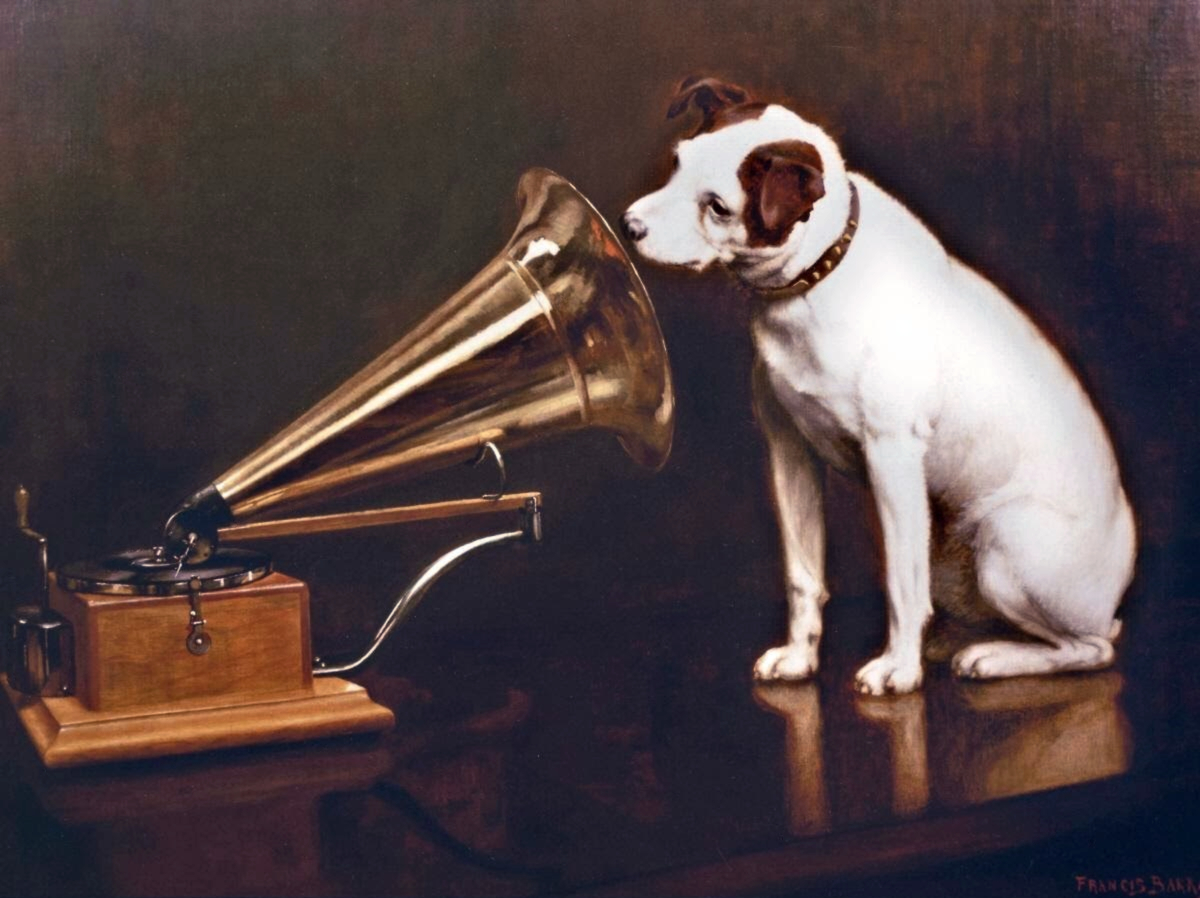
The Victor Talking Machine Company was founded in 1901 by Eldridge R. Johnson, an American engineer and entrepreneur, in Camden, New Jersey. Johnson's vision was to create a company that would revolutionize the music industry by providing high-quality recordings and innovative phonograph technology. The company's early success was fueled by its iconic 'His Master's Voice' trademark, which featured a painting of a fox terrier named Nipper listening to a phonograph. This image, created by Francis Barraud, became a symbol of the company and a testament to its commitment to quality and innovation. As the company grew, it established itself as a leader in the music industry, with a vast catalog of recordings by world-famous artists, including Enrico Caruso and Luciano Pavarotti.
⚙️ How It Worked
The Victor Talking Machine Company's phonograph technology was innovative for its time, featuring a spring-powered motor and a horn-shaped amplifier. The company's Victrola line of phonographs was particularly popular, with its sleek design and high-quality sound reproduction. The Victrola was marketed as a luxury item, with prices ranging from $15 to $250, making it accessible to a wide range of consumers. The company's recording technology was also state-of-the-art, with a team of skilled engineers and technicians working to develop new methods for capturing high-quality sound. This commitment to innovation and quality helped Victor establish itself as a leader in the music industry, with its recordings being sought after by music lovers around the world.
📊 Key Facts & Numbers
The Victor Talking Machine Company was a major player in the music industry, with a vast catalog of recordings by world-famous artists. The company's Red Seal label was particularly prestigious, featuring recordings by Enrico Caruso, Luciano Pavarotti, and other renowned opera singers. Victor's recordings were known for their high quality and attention to detail, with many of its recordings still considered classics today. The company's impact on the music industry was significant, with its recordings helping to popularize classical music and establish it as a major force in the industry. With over 100,000 recordings in its catalog, Victor was the largest and most prestigious recording company in the world, with a reputation for excellence that spanned decades.
👥 Key People & Organizations
The Victor Talking Machine Company was led by a team of innovative and forward-thinking individuals, including Eldridge R. Johnson and Emile Berliner. Johnson, the company's founder, was a skilled engineer and entrepreneur who played a key role in developing the company's phonograph technology. Berliner, the inventor of the gramophone, was a key figure in the development of the recording industry and worked closely with Victor to develop new recording technologies. Other key individuals, such as Fred Gaisberg, a renowned recording engineer, and Ralph Peers, a talented musician and composer, also played important roles in shaping the company's success. These individuals, along with many others, helped to establish Victor as a leader in the music industry and paved the way for its future success.
🌍 Cultural Impact & Influence
The Victor Talking Machine Company had a significant cultural impact, helping to popularize classical music and establish it as a major force in the industry. The company's recordings were known for their high quality and attention to detail, and many of its recordings are still considered classics today. Victor's influence can be seen in the works of modern artists, such as The Beatles and Bob Dylan, who have been inspired by the company's classic recordings. The company's legacy extends beyond its merger with the RCA in 1929, as it continued to shape the music industry through its contributions to the development of recording technology and the popularization of classical music. Today, the Victor Talking Machine Company's impact can still be seen in the music industry, with its recordings remaining a testament to the company's commitment to quality and innovation.
⚡ Current State & Latest Developments
Today, the Victor Talking Machine Company is no longer an independent entity, having merged with the RCA in 1929. However, the company's legacy lives on, with its recordings remaining a testament to its commitment to quality and innovation. The company's impact on the music industry can still be seen, with its influence extending to modern artists and music lovers around the world. As the music industry continues to evolve, the Victor Talking Machine Company's contributions to the development of recording technology and the popularization of classical music remain an important part of its history and legacy. With the rise of digital music and streaming services, the company's recordings are more accessible than ever, introducing its classic sound to a new generation of music lovers.
🤔 Controversies & Debates
The Victor Talking Machine Company's merger with the RCA in 1929 was a significant event in the company's history, marking the end of its independence and the beginning of a new era in the music industry. The merger was seen as a strategic move, allowing Victor to expand its reach and influence in the industry. However, some critics argued that the merger would lead to a loss of creativity and innovation, as the company would be subject to the constraints of a larger corporation. Despite these concerns, the merger ultimately proved to be beneficial for Victor, allowing it to continue to produce high-quality recordings and innovate in the field of recording technology.
🔮 Future Outlook & Predictions
The Victor Talking Machine Company's future outlook is uncertain, as the music industry continues to evolve and change. However, the company's legacy and contributions to the development of recording technology and the popularization of classical music remain an important part of its history and legacy. As the music industry continues to shift towards digital music and streaming services, the company's recordings are more accessible than ever, introducing its classic sound to a new generation of music lovers. With the rise of vinyl and the resurgence of interest in classic recordings, the Victor Talking Machine Company's impact on the music industry is likely to continue, with its recordings remaining a testament to its commitment to quality and innovation.
💡 Practical Applications
The Victor Talking Machine Company's practical applications can be seen in the many modern recording technologies that have been developed as a result of its innovations. The company's commitment to quality and innovation helped to establish it as a leader in the music industry, and its recordings remain a testament to its legacy. Today, the company's recordings are used in a variety of contexts, from film and television soundtracks to live performances and educational settings. The company's influence can also be seen in the many modern artists who have been inspired by its classic recordings, including The Beatles and Bob Dylan.
Key Facts
- Year
- 1901
- Origin
- Camden, New Jersey, USA
- Category
- history
- Type
- company
Frequently Asked Questions
What was the Victor Talking Machine Company?
The Victor Talking Machine Company was a pioneering American recording company and phonograph manufacturer, founded in 1901 by Eldridge R. Johnson. The company was known for its high-quality recordings and innovative phonograph technology, and was a major player in the music industry until its merger with the Radio Corporation of America (RCA) in 1929.
What was the significance of the Victor Talking Machine Company's 'His Master's Voice' trademark?
The Victor Talking Machine Company's 'His Master's Voice' trademark is an iconic symbol of the music industry, featuring a painting of a fox terrier named Nipper listening to a phonograph. The trademark was created by Francis Barraud and became a symbol of the company's commitment to quality and innovation.
Who were some of the key people involved in the Victor Talking Machine Company?
The Victor Talking Machine Company was led by a team of innovative and forward-thinking individuals, including Eldridge R. Johnson, the company's founder and president, and Emile Berliner, the inventor of the gramophone. Other key individuals, such as Fred Gaisberg and Ralph Peers, also played important roles in shaping the company's success.
What was the impact of the Victor Talking Machine Company on the music industry?
The Victor Talking Machine Company had a significant impact on the music industry, helping to popularize classical music and establish it as a major force in the industry. The company's recordings were known for their high quality and attention to detail, and many of its recordings are still considered classics today. The company's influence can be seen in the works of modern artists, such as The Beatles and Bob Dylan, who have been inspired by its classic recordings.
What happened to the Victor Talking Machine Company after its merger with RCA in 1929?
After its merger with RCA in 1929, the Victor Talking Machine Company became the RCA Victor Division of the Radio Corporation of America. The company continued to produce high-quality recordings and innovate in the field of recording technology, but was no longer an independent entity. The company's legacy lives on, with its recordings remaining a testament to its commitment to quality and innovation.
How did the Victor Talking Machine Company contribute to the development of recording technology?
The Victor Talking Machine Company made significant contributions to the development of recording technology, including the development of the Victrola phonograph and the improvement of recording techniques. The company's commitment to innovation and quality helped to establish it as a leader in the music industry, and its recordings remain a testament to its legacy.
What is the current state of the Victor Talking Machine Company?
The Victor Talking Machine Company is no longer an independent entity, having merged with RCA in 1929. However, the company's legacy lives on, with its recordings remaining a testament to its commitment to quality and innovation. The company's impact on the music industry can still be seen, with its influence extending to modern artists and music lovers around the world.
How can I learn more about the Victor Talking Machine Company?
There are a number of ways to learn more about the Victor Talking Machine Company, including reading about its history and legacy, listening to its recordings, and exploring related topics such as the history of the recording industry and the development of phonograph technology. For those interested in learning more, there are a number of related topics and deeper reading paths to explore, including the history of the gramophone and the development of the LP record.