
Contents
Overview
The conceptual roots of vibrational medicine stretch back to ancient philosophies that viewed the universe and the human body as composed of subtle energies and resonant frequencies. Thinkers like Pythagoras in ancient Greece explored the mathematical relationships in music and their perceived effects on the soul, laying early groundwork for the idea that sound could influence well-being. More recent precursors include the New Age movement of the mid-20th century, which embraced esoteric concepts and a holistic approach to health, often blending Eastern spiritual practices with Western mysticism. Specific academies dedicated to 'vibrational medicine' began to emerge more prominently in the late 20th and early 21st centuries, formalizing these beliefs into structured curricula. While lacking robust scientific validation, the movement has gained traction within alternative and complementary medicine circles, attracting individuals seeking non-traditional approaches to wellness. The academies often function as training grounds for practitioners, disseminating a unique lexicon of 'vibrational' concepts and techniques.
🎵 Origins & History
The conceptual roots of vibrational medicine stretch back to ancient philosophies that viewed the universe and the human body as composed of subtle energies and resonant frequencies. Thinkers like Pythagoras in ancient Greece explored the mathematical relationships in music and their perceived effects on the soul, laying early groundwork for the idea that sound could influence well-being. More recent precursors include the New Age movement of the mid-20th century, which embraced esoteric concepts and a holistic approach to health, often blending Eastern spiritual practices with Western mysticism. Specific academies dedicated to 'vibrational medicine' began to emerge more prominently in the late 20th and early 21st centuries, formalizing these beliefs into structured curricula.
⚙️ How It Works
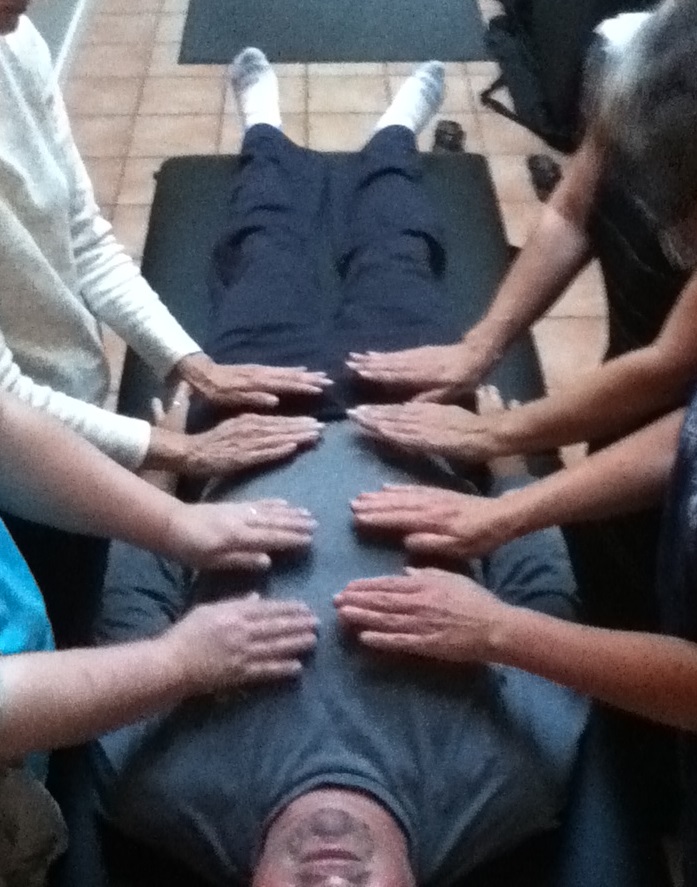
The core tenet of vibrational medicine is that all matter, including the human body, vibrates at specific frequencies. Illness, according to this paradigm, is a manifestation of discordant or weakened vibrations within the body's energetic field, often termed the biofield. Academies teach practitioners to identify these disharmonious frequencies and introduce 'healing' or 'harmonious' vibrations to restore balance. Methods vary widely, encompassing the use of tuning forks to emit specific tones, crystal healing where stones are believed to possess unique resonant properties, sound therapy utilizing instruments like singing bowls and gongs, and even light-based therapies that employ specific wavelengths. Some practitioners also incorporate Reiki or Therapeutic Touch, channeling 'universal life force energy' which is also conceptualized as a form of vibration.
📊 Key Facts & Numbers
While precise global figures for 'vibrational medicine academies' are elusive due to their often informal and decentralized nature, the broader energy medicine market is estimated to be worth billions. Reports suggest the global alternative medicine market, which encompasses vibrational therapies, could reach over $200 billion by 2027, with a compound annual growth rate (CAGR) of approximately 12%. A 2017 survey indicated that around 10% of American adults have used some form of energy healing therapy in the past year. The number of online courses and certifications offered in vibrational modalities has exploded, with hundreds of programs available, some charging upwards of $1,000 for comprehensive training. The market for sound healing instruments alone, including singing bowls and tuning forks, sees millions in annual sales.
👥 Key People & Organizations
Key figures associated with the conceptualization and popularization of vibrational medicine include Dr. Richard Gerber, whose 1988 book 'Vibrational Medicine' is considered a foundational text, attempting to bridge esoteric concepts with a pseudo-scientific framework. Mona Lisa Chaffin, a prominent voice in sound healing, has established numerous sound healing centers and training programs. Organizations like the National Certification Board for Therapeutic Massage and Bodywork (NCBTMB) offer some certifications that may touch upon vibrational modalities, though they do not endorse vibrational medicine as a distinct, scientifically validated field. Many independent academies and online platforms, such as the Sound Healing Academy and Vibrational Sound Therapy Institute, operate globally, offering practitioner training.
🌍 Cultural Impact & Influence
The cultural impact of vibrational medicine academies is most evident in the growing popularity of wellness retreats, sound baths in urban centers, and the integration of 'vibrational' concepts into broader self-help and mindfulness movements. These academies have fostered a distinct subculture within the alternative health sphere, complete with its own lexicon and community. The aesthetic of crystal shops, meditation studios, and yoga centers often reflects the visual and auditory elements promoted by vibrational medicine, emphasizing natural materials, soothing colors, and harmonic sounds. While mainstream media often treats these practices with skepticism, they have found a significant audience in popular culture, appearing in documentaries and lifestyle blogs, contributing to a broader societal interest in non-traditional healing methods.
⚡ Current State & Latest Developments
The current landscape sees a proliferation of online courses and hybrid learning models, making vibrational medicine training more accessible than ever. Many academies are adapting to digital platforms, offering virtual sound baths and online certification programs. There's a growing trend towards specialization, with academies focusing on specific modalities like crystal therapy, tuning fork therapy, or advanced sound healing techniques. Concurrently, there's an increased emphasis on the 'science-backed' aspects, with some proponents attempting to link vibrational techniques to quantum physics or neurobiology, albeit often through misinterpretations or oversimplifications. The COVID-19 pandemic accelerated the shift towards remote learning and virtual healing sessions, further solidifying the digital presence of these academies.
🤔 Controversies & Debates
The most significant controversy surrounding vibrational medicine academies is their lack of empirical scientific evidence. Critics, including many in the medical community, argue that the claims made about healing through specific frequencies are unsubstantiated and can be harmful if they lead individuals to forgo conventional medical treatment. The term 'vibrational medicine' itself is often criticized for appropriating scientific language to lend credibility to esoteric beliefs, a practice that skeptics label as pseudoscience. Debates also arise regarding the efficacy and standardization of training programs, with concerns about unqualified practitioners offering potentially ineffective or misleading treatments. The reliance on anecdotal evidence and the placebo effect is a frequent point of contention, with critics arguing these are the primary drivers of perceived benefits.
🔮 Future Outlook & Predictions
The future outlook for vibrational medicine academies is likely to be shaped by the ongoing tension between their esoteric foundations and the increasing demand for evidence-based wellness practices. We may see a bifurcation: some academies will continue to operate within the established New Age and alternative health frameworks, while others will attempt to forge stronger links with scientific research, perhaps focusing on specific, measurable physiological effects of sound or light. The integration of biofeedback technologies and personalized frequency therapies could represent a more scientifically grounded evolution. However, without rigorous, peer-reviewed studies demonstrating efficacy beyond placebo, mainstream medical acceptance remains a distant prospect, and the controversy surrounding their scientific validity is likely to persist.
💡 Practical Applications
Practical applications of vibrational medicine principles, albeit often stripped of their more esoteric claims, are found in various therapeutic settings. Sound therapy is used in some palliative care and mental health contexts for relaxation and stress reduction. Music therapy, a distinct and scientifically validated field, utilizes music interventions to achieve therapeutic goals, sharing a common interest in the power of sound. Crystal therapy, while lacking scientific backing, is employed by some practitioners for its perceived energetic properties in promoting calm and balance. Some clinics offer light therapy for seasonal affective disorder, a scientifically recognized treatment that aligns with the broader concept of using specific frequencies for therapeutic benefit. The principles of resonance and vibration are also explored in sound healing for meditation and stress management.
Key Facts
- Category
- movements
- Type
- topic