
Contents
Overview
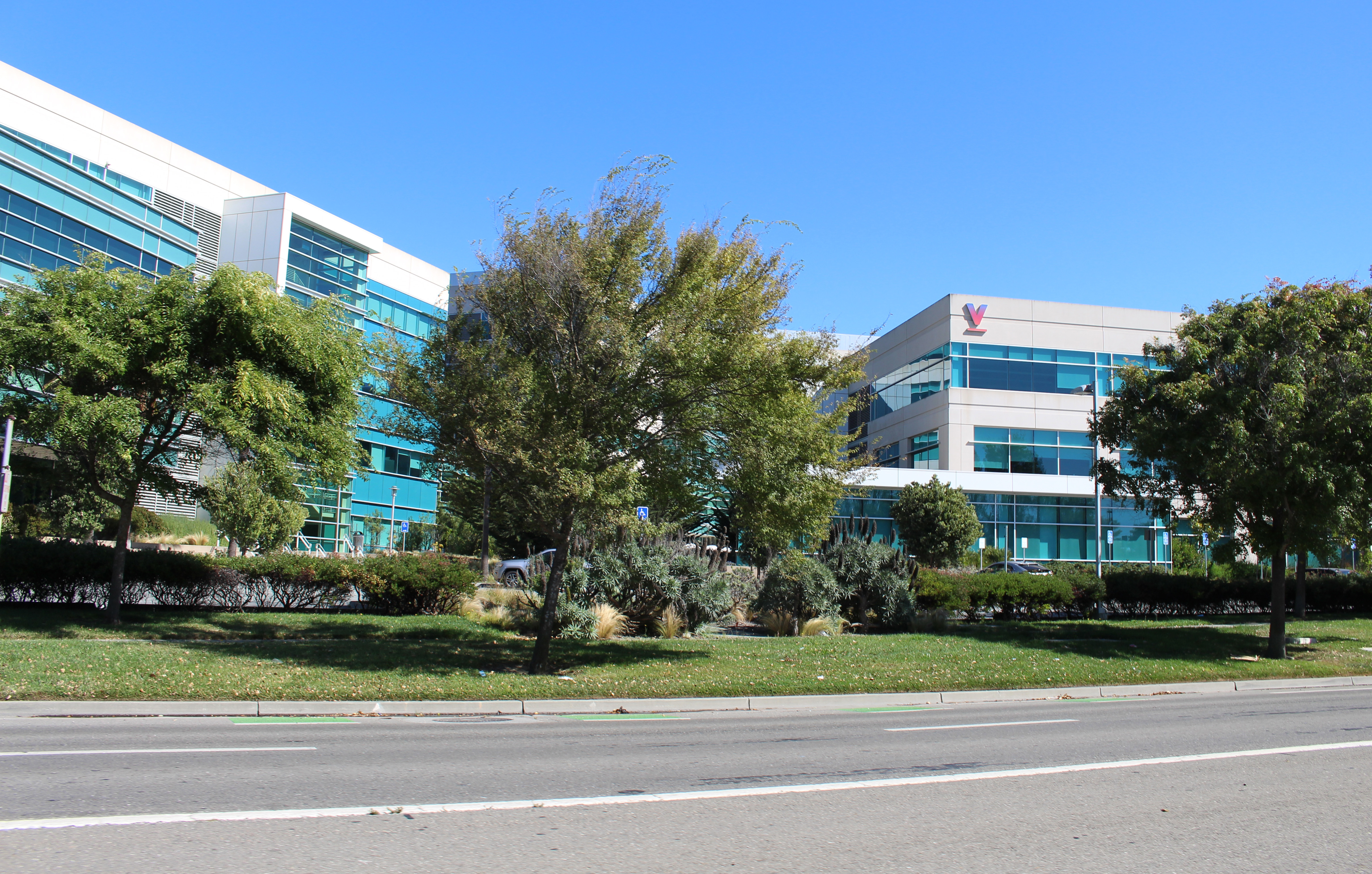
Verily, initially known as Google Life Sciences, was born out of Google X, the secretive research and development facility of Google, now a subsidiary of Alphabet Inc. This transition marked a significant shift, as it moved from being a division of Google X to operating as a standalone company under Alphabet, as announced in December 2024. This change reflects the growing importance of life sciences in the tech world, with companies like Apple and Microsoft also exploring health and biotech. The involvement of key figures such as Andrew Conrad, who has been instrumental in shaping Verily's mission, underscores the organization's commitment to pushing the boundaries of medical and biological research, often in collaboration with academic institutions like Harvard University and the Massachusetts Institute of Technology (MIT).
🧬 How It Works
At its core, Verily's mission is to use technology to better understand and manage health, working closely with experts from various fields, including medicine, biology, and computer science. This interdisciplinary approach is reminiscent of initiatives by the Bill and Melinda Gates Foundation and the Chan Zuckerberg Initiative, which also aim to harness technology for global health improvements. Verily's projects range from developing new medical devices, such as smart contact lenses in partnership with Novartis, to analyzing vast amounts of health data, similar to efforts by IBM Watson Health and Google Health. By leveraging machine learning and artificial intelligence, Verily aims to make healthcare more personalized and effective, a goal also pursued by companies like 23andMe and Fitbit.
🌐 Cultural Impact
The cultural impact of Verily extends beyond the scientific community, as it contributes to the growing trend of tech giants investing in healthcare and biotechnology. This shift is seen in the investments of companies like Amazon in healthcare technology and the development of health-focused products by Samsung and Garmin. Verily's work, particularly in areas like disease prevention and management, has the potential to influence public health policies, much like the work of the World Health Organization (WHO) and the Centers for Disease Control and Prevention (CDC). Moreover, collaborations with universities and research institutions, such as the University of Oxford and the Broad Institute, further underscore Verily's commitment to advancing our understanding of human health, echoing the collaborative spirit of open-source initiatives like GitHub and the scientific community's response to the COVID-19 pandemic, facilitated by platforms like Twitter and Reddit.
🔮 Legacy & Future
As Verily looks to the future, it is poised to play a significant role in shaping the landscape of life sciences and healthcare. With its strong foundation in technology and its collaborative approach, Verily is well-positioned to drive innovation, potentially leading to breakthroughs in areas such as regenerative medicine, gene editing, and personalized healthcare, fields also being explored by companies like CRISPR Therapeutics and Biogen. The legacy of Verily will likely be marked by its ability to bring together diverse expertise and resources to tackle some of humanity's most pressing health challenges, a testament to the power of interdisciplinary research and collaboration, as seen in initiatives like the Human Genome Project and the ongoing efforts against diseases like cancer and Alzheimer's, supported by organizations like the National Institutes of Health (NIH) and the American Cancer Society.
Key Facts
- Year
- 2015
- Origin
- California, USA
- Category
- science
- Type
- organization
Frequently Asked Questions
What is Verily?
Verily, formerly Google Life Sciences, is a research organization focused on life sciences and healthcare technology.
Who is the CEO of Verily?
Andrew Conrad is the CEO of Verily Life Sciences.
What are some of Verily's key projects?
Verily is involved in various projects, including the development of smart contact lenses and the analysis of health data using AI.
How does Verily collaborate with other organizations?
Verily collaborates with universities, research institutions, and companies to advance healthcare and biotechnology.
What is the significance of Verily's transition to a standalone company?
This transition reflects the growing importance of life sciences and healthcare technology, allowing Verily to operate more independently and drive innovation in these fields.