
Contents
Overview
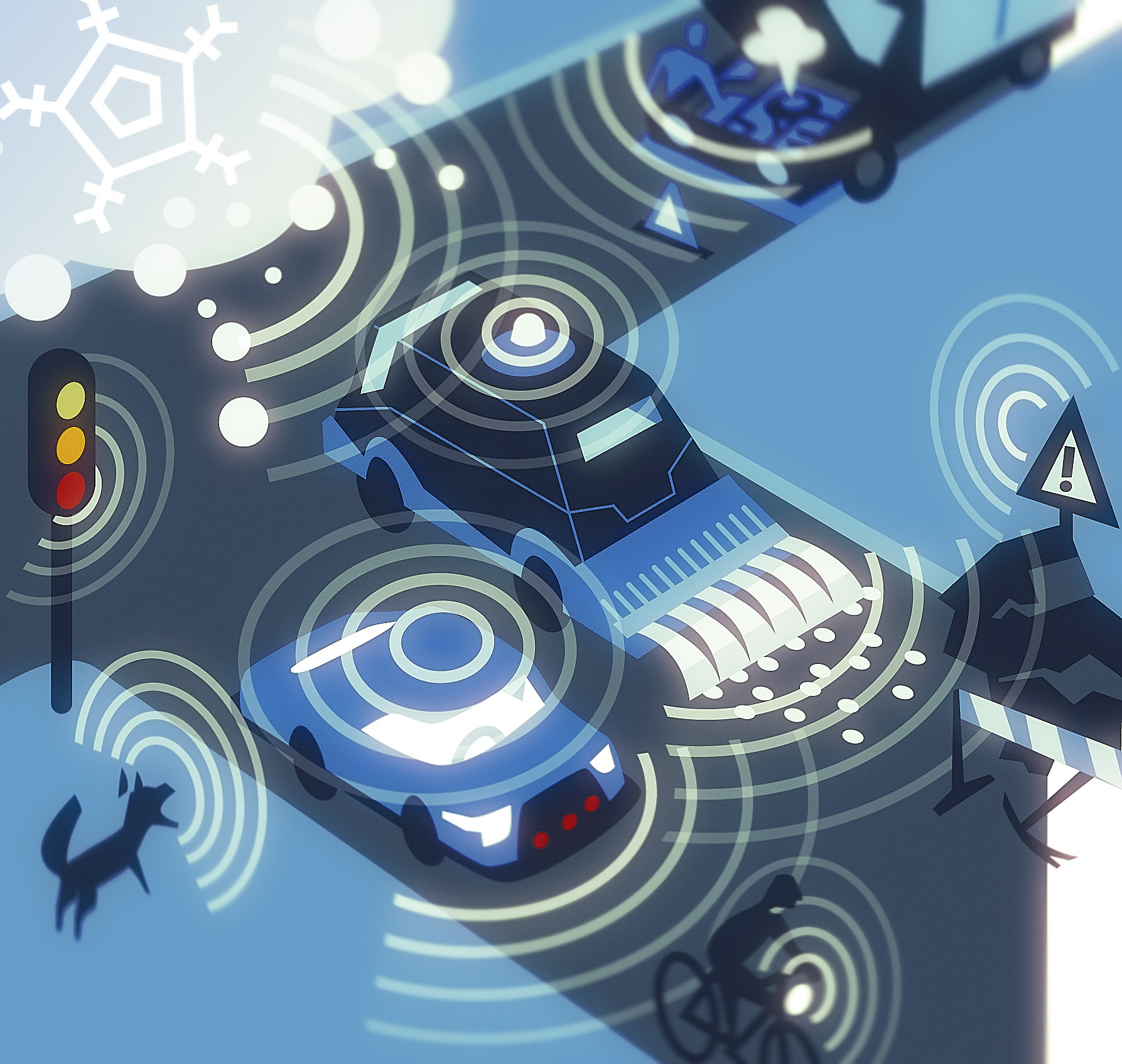
Vehicle-to-everything (V2X) is a wireless communication system that enables vehicles to exchange information with any entity that may affect or be affected by the vehicle. This technology has the potential to significantly improve road safety, reduce pollution, and increase traffic efficiency. The automotive and communications industries, along with governments worldwide, are actively promoting V2X as a life-saving and pollution-reducing technology. V2X is being implemented in Europe and China.
🎵 Origins & History
The concept of vehicle-to-everything (V2X) has evolved over time, with the automotive and communications industries exploring ways to improve road safety through wireless communication. Companies like Qualcomm and Ericsson are working to develop and implement V2X technologies, including the development of 5G networks that can support the high-speed, low-latency communication required for V2X.
⚙️ How It Works
V2X works by enabling vehicles to communicate with any entity that may affect or be affected by the vehicle, including other vehicles, pedestrians, cyclists, and infrastructure. This communication is facilitated through dedicated short-range communication (DSRC) technology, which allows vehicles to exchange information with other entities in real-time.
📊 Key Facts & Numbers
The key facts and numbers surrounding V2X are still being developed. However, it is clear that V2X has the potential to improve road safety and reduce pollution. The International Organization for Standardization is working to develop standardized communication protocols for V2X.
👥 Key People & Organizations
The key people and organizations involved in the development and promotion of V2X are numerous. Companies like Ford Motor Company, General Motors, and Toyota Motor Corporation are actively involved in the development and implementation of V2X technologies. Governments worldwide are also promoting V2X as a life-saving and pollution-reducing technology.
🌍 Cultural Impact & Influence
The cultural impact and influence of V2X are significant. As a technology that has the potential to transform the way we travel, V2X is being closely watched by industries and governments worldwide. However, there are also concerns about the potential risks and challenges associated with V2X, including the potential for cyber attacks and the need for standardized communication protocols.
⚡ Current State & Latest Developments
The current state of V2X is one of rapid development and implementation. With governments and industries worldwide actively promoting V2X, the technology is being implemented in countries around the world. V2X is being implemented in Europe and China.
🤔 Controversies & Debates
Despite the many benefits of V2X, there are also controversies and debates surrounding the technology. One of the main concerns is the potential for cyber attacks, which could compromise the safety and security of V2X systems. However, proponents of V2X argue that the benefits of the technology far outweigh the risks, and that robust security measures can be implemented to protect V2X systems from cyber threats.
🔮 Future Outlook & Predictions
The future outlook for V2X is bright, with the potential for the technology to transform the way we travel. As V2X becomes more widespread, it is likely that we will see significant improvements in road safety and reduced pollution. However, there are also challenges to be addressed, including the need for standardized communication protocols and the potential for cyber attacks.
💡 Practical Applications
The practical applications of V2X are numerous. In addition to improving road safety and reducing pollution, V2X could also be used to optimize traffic flow and reduce congestion. Companies like Waymo and Tesla are already working on autonomous vehicle technologies, which could revolutionize the way we travel.
Key Facts
- Category
- technology
- Type
- technology