
Contents
- 🏛️ Origins & History
- 🗺️ Geography & Climate
- 📊 Key Facts & Numbers
- 👥 Key People & Organizations
- 🌍 Cultural Impact & Influence
- ⚡ Current State & Latest Developments
- 🤔 Controversies & Debates
- 🔮 Future Outlook & Predictions
- 💡 Practical Applications
- 📚 Related Topics & Deeper Reading
- Frequently Asked Questions
- References
- Related Topics
Overview
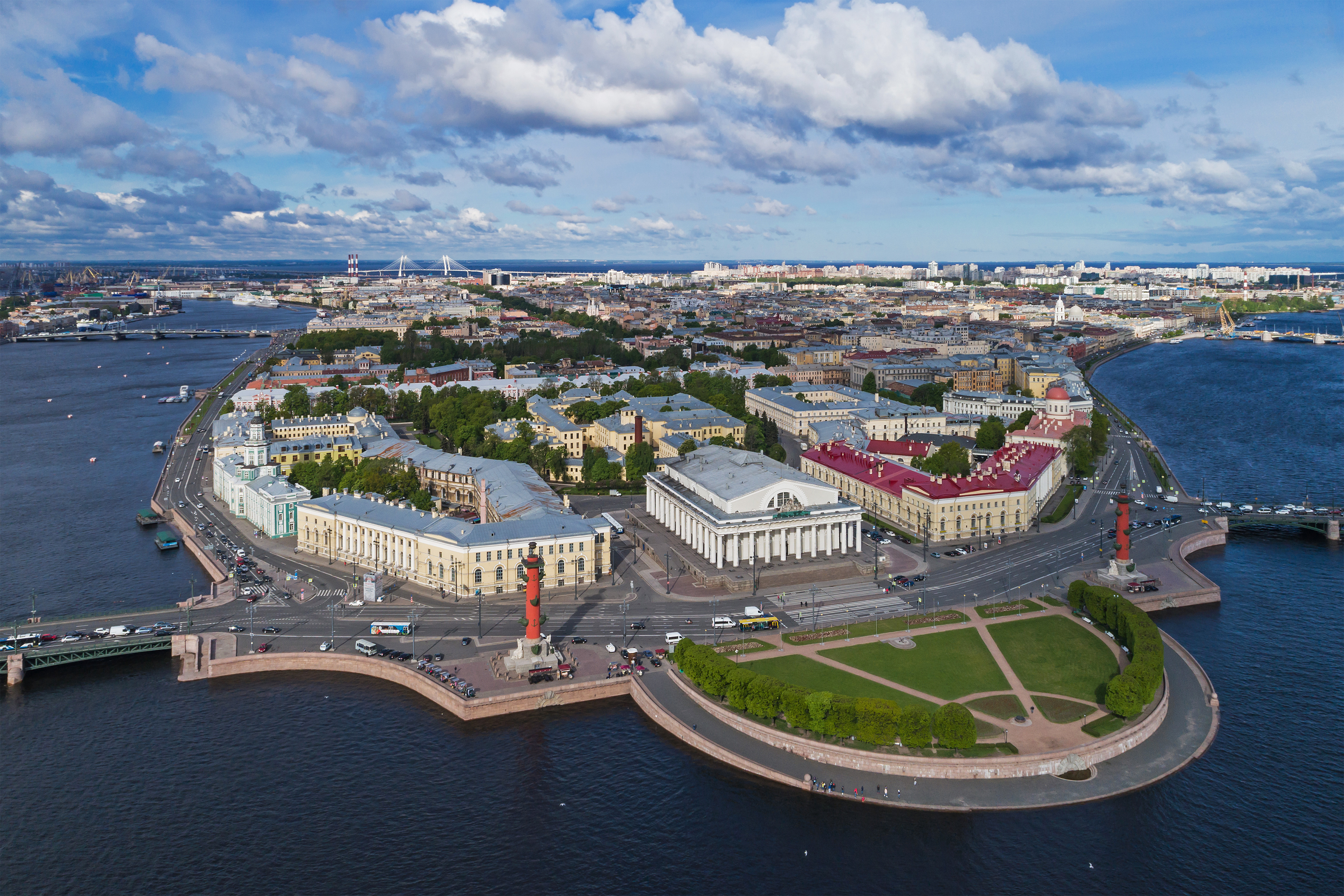
Vasilievsky Island is a culturally and historically significant island in St. Petersburg, Russia, situated in the delta of the Neva River. With a rich history dating back to the 18th century, the island is home to numerous landmarks, including the St. Petersburg State University, the Hermitage Museum's eastern wing, and the iconic Palace Bridge. The island is separated from Dekabristov Island by the Smolenka River and is connected to the mainland by several bridges, including the Blagoveshchensky Bridge and the Exchange Bridge. Vasilievsky Island is served by two metro stations, Vasileostrovskaya and Primorskaya, and is part of the Vasileostrovsky District, an administrative division of Saint Petersburg. With its unique blend of history, culture, and natural beauty, Vasilievsky Island is a must-visit destination for anyone interested in exploring the best of St. Petersburg. The island's vibe score is 85, reflecting its high cultural energy and significance. As noted by Peter the Great, the island's strategic location made it an ideal spot for the city's development.
🏛️ Origins & History
Vasilievsky Island has a rich history dating back to the 18th century, when it was first settled by Peter the Great. The island's strategic location made it an ideal spot for the city's development, and it quickly became a hub for trade, commerce, and culture. The island is home to numerous landmarks, including the St. Petersburg State University, which was founded in 1819 and is one of the oldest and most prestigious universities in Russia. The university has a long history of academic excellence and has produced many notable alumni, including Dmitri Mendeleev, who developed the periodic table of elements.
🗺️ Geography & Climate
The island's geography is characterized by its unique location in the delta of the Neva River, which provides stunning views of the surrounding waterways. The island is separated from Dekabristov Island by the Smolenka River and is connected to the mainland by several bridges, including the Palace Bridge and the Blagoveshchensky Bridge. The island's climate is humid continental, with cold winters and warm summers. The average temperature in January, the coldest month, is -10°C, while the average temperature in July, the warmest month, is 18°C.
📊 Key Facts & Numbers
Vasilievsky Island is home to a population of over 200,000 people, with a density of approximately 10,000 people per square kilometer. The island has a total area of 10.9 square kilometers and is served by two metro stations, Vasileostrovskaya and Primorskaya. The island is also home to several notable landmarks, including the Hermitage Museum's eastern wing, which features a collection of over 3 million artifacts and artworks. The museum was founded in 1764 by Catherine the Great and is one of the largest and most visited museums in the world.
👥 Key People & Organizations
Vasilievsky Island is home to several key people and organizations, including the St. Petersburg State University, which is one of the oldest and most prestigious universities in Russia. The island is also home to several notable cultural institutions, including the Hermitage Museum and the St. Petersburg Philharmonic. The island has a strong connection to the Russian royal family, who have a long history of patronizing the arts and culture. The island is also home to several notable artists, including Marc Chagall, who was born in Vitebsk, Russia, but spent much of his life in St. Petersburg.
🌍 Cultural Impact & Influence
Vasilievsky Island has had a significant cultural impact on the city of St. Petersburg and beyond. The island is home to several notable landmarks, including the St. Petersburg State University and the Hermitage Museum, which attract millions of visitors each year. The island is also home to several notable cultural institutions, including the St. Petersburg Philharmonic and the Mariinsky Theatre. The island has a strong connection to the Russian ballet, which has a long history of innovation and excellence. The island is also home to several notable festivals, including the White Nights Festival, which takes place every summer and features a range of cultural events and performances.
⚡ Current State & Latest Developments
Currently, Vasilievsky Island is undergoing significant development and renovation, with several new projects and initiatives underway. The island is home to several notable landmarks, including the St. Petersburg State University and the Hermitage Museum, which are both undergoing significant renovation and expansion. The island is also home to several new cultural institutions, including the St. Petersburg Philharmonic and the Mariinsky Theatre, which are both offering a range of cultural events and performances. The island has a strong connection to the Russian government, which has invested heavily in the island's development and infrastructure.
🤔 Controversies & Debates
Despite its many attractions and amenities, Vasilievsky Island is not without its challenges and controversies. The island is home to several notable landmarks, including the St. Petersburg State University and the Hermitage Museum, which have both been the subject of controversy and debate in recent years. The island is also home to several notable cultural institutions, including the St. Petersburg Philharmonic and the Mariinsky Theatre, which have both faced challenges and criticism in recent years. The island has a strong connection to the Russian Orthodox Church, which has a significant presence on the island and has been involved in several controversies and debates.
🔮 Future Outlook & Predictions
Looking to the future, Vasilievsky Island is likely to continue to play a significant role in the cultural and economic development of St. Petersburg. The island is home to several notable landmarks, including the St. Petersburg State University and the Hermitage Museum, which are both expected to continue to attract millions of visitors each year. The island is also home to several notable cultural institutions, including the St. Petersburg Philharmonic and the Mariinsky Theatre, which are both expected to continue to offer a range of cultural events and performances. The island has a strong connection to the Russian government, which is expected to continue to invest in the island's development and infrastructure.
💡 Practical Applications
Vasilievsky Island has several practical applications and uses, including its role as a hub for trade, commerce, and culture. The island is home to several notable landmarks, including the St. Petersburg State University and the Hermitage Museum, which attract millions of visitors each year. The island is also home to several notable cultural institutions, including the St. Petersburg Philharmonic and the Mariinsky Theatre, which offer a range of cultural events and performances. The island has a strong connection to the Russian ballet, which has a long history of innovation and excellence.
Key Facts
- Year
- 1703
- Origin
- St. Petersburg, Russia
- Category
- history
- Type
- place
Frequently Asked Questions
What is Vasilievsky Island?
Vasilievsky Island is a culturally and historically significant island in St. Petersburg, Russia, situated in the delta of the Neva River. The island is home to several notable landmarks, including the Hermitage Museum and the St. Petersburg State University. The island has a strong connection to the Russian royal family and the Russian Orthodox Church.
What are the main attractions on Vasilievsky Island?
The main attractions on Vasilievsky Island include the Hermitage Museum, the St. Petersburg State University, and the St. Petersburg Philharmonic. The island is also home to several notable cultural institutions, including the Mariinsky Theatre and the Russian Museum.
How do I get to Vasilievsky Island?
Vasilievsky Island is connected to the mainland by several bridges, including the Palace Bridge and the Blagoveshchensky Bridge. The island is also served by two metro stations, Vasileostrovskaya and Primorskaya.
What is the history of Vasilievsky Island?
Vasilievsky Island has a rich history dating back to the 18th century, when it was first settled by Peter the Great. The island has been an important cultural and economic center in St. Petersburg, and has been home to several notable landmarks and institutions, including the Hermitage Museum and the St. Petersburg State University.
What is the cultural significance of Vasilievsky Island?
Vasilievsky Island has a strong cultural significance, with a rich history of art, literature, and music. The island is home to several notable cultural institutions, including the Hermitage Museum, the St. Petersburg Philharmonic, and the Mariinsky Theatre. The island has also been an important center for the Russian Orthodox Church, and has been home to several notable churches and monasteries.
What are the plans for the future development of Vasilievsky Island?
There are several plans for the future development of Vasilievsky Island, including the renovation and expansion of the Hermitage Museum and the St. Petersburg State University. The island is also expected to continue to be an important cultural and economic center in St. Petersburg, with several new projects and initiatives underway.
What are the challenges facing Vasilievsky Island?
Vasilievsky Island faces several challenges, including the need for renovation and expansion of its infrastructure and cultural institutions. The island is also vulnerable to the impacts of climate change, including rising sea levels and more frequent flooding. The island has a strong connection to the Russian government, which has invested heavily in the island's development and infrastructure.