
Contents
- 🎵 Origins & History
- ⚙️ How It Works
- 📊 Key Facts & Numbers
- 👥 Key People & Organizations
- 🌍 Cultural Impact & Influence
- ⚡ Current State & Latest Developments
- 🤔 Controversies & Debates
- 🔮 Future Outlook & Predictions
- 💡 Practical Applications
- 📚 Related Topics & Deeper Reading
- Frequently Asked Questions
- References
- Related Topics
Overview
Vampire fiction has captivated audiences for centuries, evolving from 18th-century poetry to modern-day blockbusters. The genre's roots can be traced back to John Polidori's The Vampyre (1819), inspired by a story told by Lord Byron, and has since been shaped by influential works like Bram Stoker's Dracula (1897), Sheridan Le Fanu's Carmilla (1872), and Anne Rice's Interview with the Vampire (1976). With the rise of sympathetic vampires in literature, such as Varney the Vampire (1847) and Moto Hagio's The Poe Clan (1972–1976), the genre has become a staple of popular culture, spawning countless adaptations in film, television, and other media. Today, vampire fiction continues to thrive, with authors like Charlaine Harris and Stephenie Meyer contributing to the genre's enduring popularity. The cultural significance of vampire fiction lies in its ability to tap into human fears and desires, exploring themes of immortality, love, and the human condition. As a result, vampire fiction has become a cultural phenomenon, with a vast and dedicated fan base. With its rich history, diverse themes, and continued relevance, vampire fiction remains a fascinating and captivating genre that continues to inspire new generations of writers, artists, and audiences alike.
🎵 Origins & History
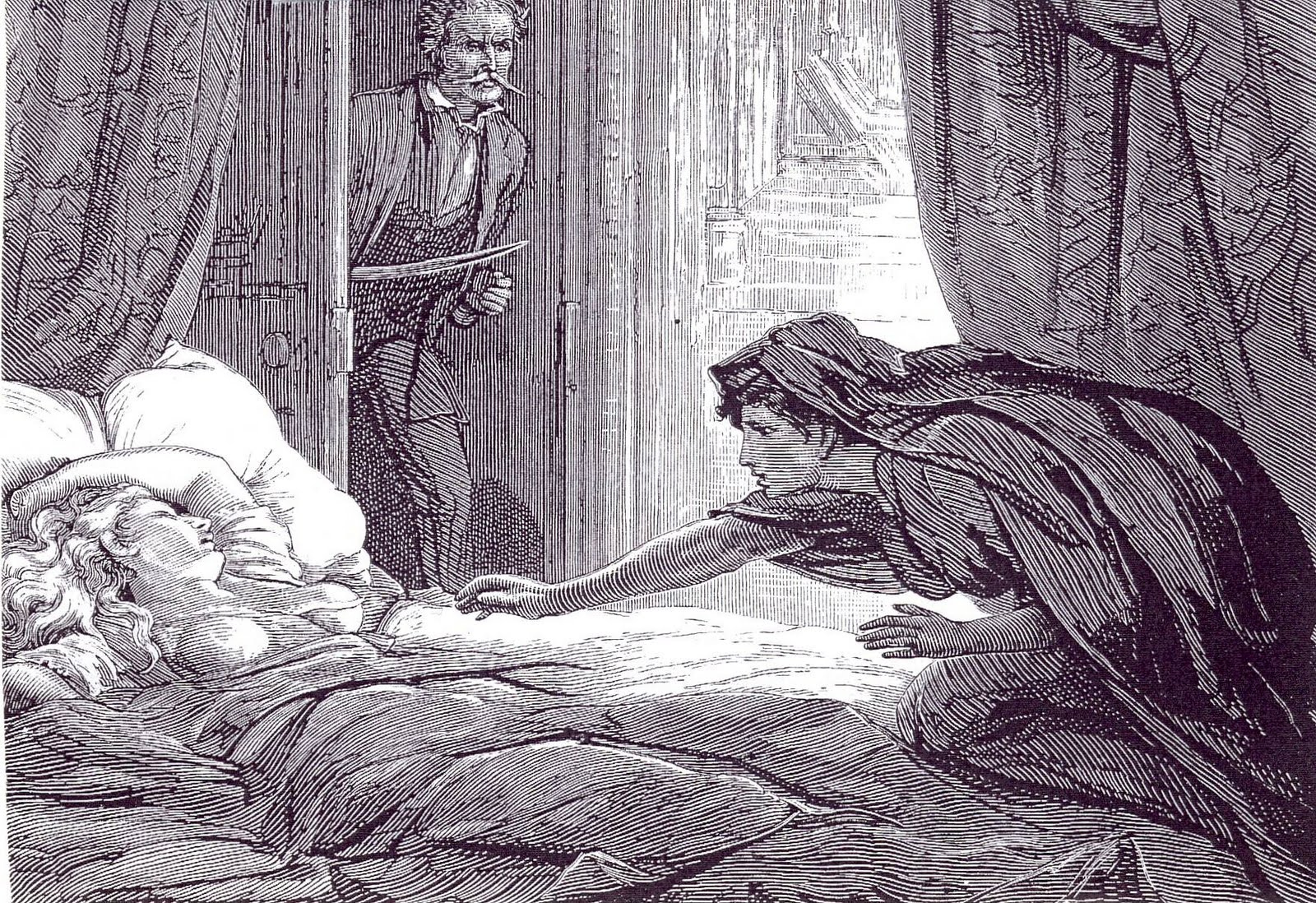
The concept of vampire fiction has its roots in ancient mythologies, with creatures like the Greek Lamia and the Chinese Jiangshi embodying characteristics of the modern vampire. However, the modern literary vampire first appeared in 18th-century poetry, before becoming a staple of Gothic fiction with the publication of John Polidori's The Vampyre (1819), inspired by a story told to him by Lord Byron. This work was followed by other influential pieces, including Aleksey Konstantinovich Tolstoy's The Family of the Vourdalak (1839) and Sheridan Le Fanu's Carmilla (1872), which introduced the character of the lesbian vampire. The genre gained further popularity with the publication of Bram Stoker's Dracula (1897), which has since become a classic of the genre.
⚙️ How It Works
Vampire fiction often explores themes of immortality, love, and the human condition, with the vampire serving as a symbol for the outsider or the 'other'. The genre has also been used to comment on social issues, such as the fear of disease and the dangers of unchecked desire. In terms of its mechanics, vampire fiction often involves the use of supernatural elements, such as the vampire's ability to transform into a bat or wolf, and the need for the vampire to feed on human blood to survive. Authors like Anne Rice and Charlaine Harris have also explored the idea of the sympathetic vampire, creating characters that are both monstrous and relatable.
📊 Key Facts & Numbers
Some key facts about vampire fiction include the fact that the genre has been around for over two centuries, with the first modern vampire story, The Vampyre, being published in 1819. The genre has also spawned a number of sub-genres, including urban fantasy and paranormal romance. In terms of numbers, the vampire fiction market is estimated to be worth millions of dollars, with popular series like Twilight and True Blood attracting huge followings. The genre has also been influenced by other forms of media, such as film and television, with shows like Buffy the Vampire Slayer and The Vampire Diaries helping to shape the modern concept of the vampire.
👥 Key People & Organizations
Key people in the world of vampire fiction include authors like Bram Stoker, Anne Rice, and Charlaine Harris, who have all made significant contributions to the genre. Other notable authors include Stephenie Meyer, who wrote the Twilight series, and Moto Hagio, who created the influential manga series The Poe Clan. In terms of organizations, the Horror Writers Association and the World Fantasy Convention are both important institutions that support and promote the work of horror and fantasy authors, including those who write vampire fiction.
🌍 Cultural Impact & Influence
Vampire fiction has had a significant impact on popular culture, with the genre influencing everything from film and television to music and fashion. The character of the vampire has become an iconic figure, symbolizing both fear and desire. The genre has also been used to comment on social issues, such as the fear of disease and the dangers of unchecked desire. In terms of influence, vampire fiction has been cited as an inspiration by authors like Neil Gaiman and Clive Barker, and has also influenced the work of filmmakers like Francis Ford Coppola and Guillermo del Toro.
⚡ Current State & Latest Developments
The current state of vampire fiction is one of continued popularity and diversity, with new authors and series emerging all the time. The genre has also become more diverse, with the inclusion of different cultures and perspectives. In terms of latest developments, the rise of urban fantasy and paranormal romance has led to the creation of new sub-genres and the reimagining of classic vampire tropes. The genre has also been influenced by other forms of media, such as film and television, with shows like The Walking Dead and Penny Dreadful helping to shape the modern concept of the vampire.
🤔 Controversies & Debates
One of the main controversies surrounding vampire fiction is the issue of romanticization of vampirism, with some critics arguing that the genre glorifies violence and abuse. Others have criticized the genre for its lack of diversity, with many vampire stories featuring predominantly white characters. However, the genre has also been praised for its ability to comment on social issues, such as the fear of disease and the dangers of unchecked desire. In terms of debates, there is an ongoing discussion about the nature of the vampire, with some authors arguing that the creature should be portrayed as a monster, while others see it as a symbol of the outsider or the 'other'.
🔮 Future Outlook & Predictions
The future of vampire fiction looks bright, with new authors and series emerging all the time. The genre is likely to continue to evolve, with the inclusion of different cultures and perspectives. In terms of predictions, it is likely that the genre will continue to be influenced by other forms of media, such as film and television, and will also be shaped by changing social attitudes and cultural trends. The rise of self-publishing and indie authors has also democratized the genre, allowing new voices to emerge and challenge traditional notions of the vampire.
💡 Practical Applications
Vampire fiction has a number of practical applications, including its use in education and therapy. The genre has been used to teach children about important issues, such as the dangers of strangers and the importance of self-protection. It has also been used in therapy, with some therapists using vampire fiction as a way to explore issues of identity and self-esteem. In terms of other applications, vampire fiction has been used in marketing and advertising, with the character of the vampire being used to sell everything from Coca-Cola to Gucci.
Key Facts
- Year
- 1819
- Origin
- Europe
- Category
- culture
- Type
- concept
Frequently Asked Questions
What is the origin of the modern concept of the vampire?
The modern concept of the vampire has its roots in ancient mythologies, but the modern literary vampire first appeared in 18th-century poetry, before becoming a staple of Gothic fiction with the publication of John Polidori's The Vampyre (1819).
Who are some notable authors of vampire fiction?
Notable authors of vampire fiction include Bram Stoker, Anne Rice, and Charlaine Harris, who have all made significant contributions to the genre.
What are some common themes in vampire fiction?
Common themes in vampire fiction include the concept of the vampire as a symbol of the outsider or the 'other', the use of vampire fiction to comment on social issues, and the exploration of themes such as immortality, love, and the human condition.
How has vampire fiction evolved over time?
Vampire fiction has evolved significantly over time, with the genre becoming more diverse and inclusive, and the character of the vampire being reimagined in different ways. The genre has also been influenced by other forms of media, such as film and television.
What are some notable examples of vampire fiction in popular culture?
Notable examples of vampire fiction in popular culture include the Twilight series, The Vampire Diaries, and True Blood, which have all been hugely successful and have helped to shape the modern concept of the vampire.
How has vampire fiction been used in education and therapy?
Vampire fiction has been used in education and therapy to teach children about important issues, such as the dangers of strangers and the importance of self-protection, and to explore issues of identity and self-esteem.
What are some future trends in vampire fiction?
Future trends in vampire fiction are likely to include the continued evolution of the genre, with the inclusion of different cultures and perspectives, and the use of new technologies and media to tell vampire stories.