
Contents
- 🎵 Origins of the Pre-Owned Market
- ⚙️ The Mechanics of a Smart Used Car Purchase
- 📊 Key Statistics for Savvy Buyers
- 👥 Key Players in the Used Car Ecosystem
- 🌍 Cultural Resonance of the Secondhand Ride
- ⚡ The Current Used Car Landscape
- 🤔 Controversies and Consumer Traps
- 🔮 The Future of Pre-Owned Automotive Sales
- 💡 Practical Steps for Your Next Purchase
- 📚 Expanding Your Knowledge Base
- References
Overview
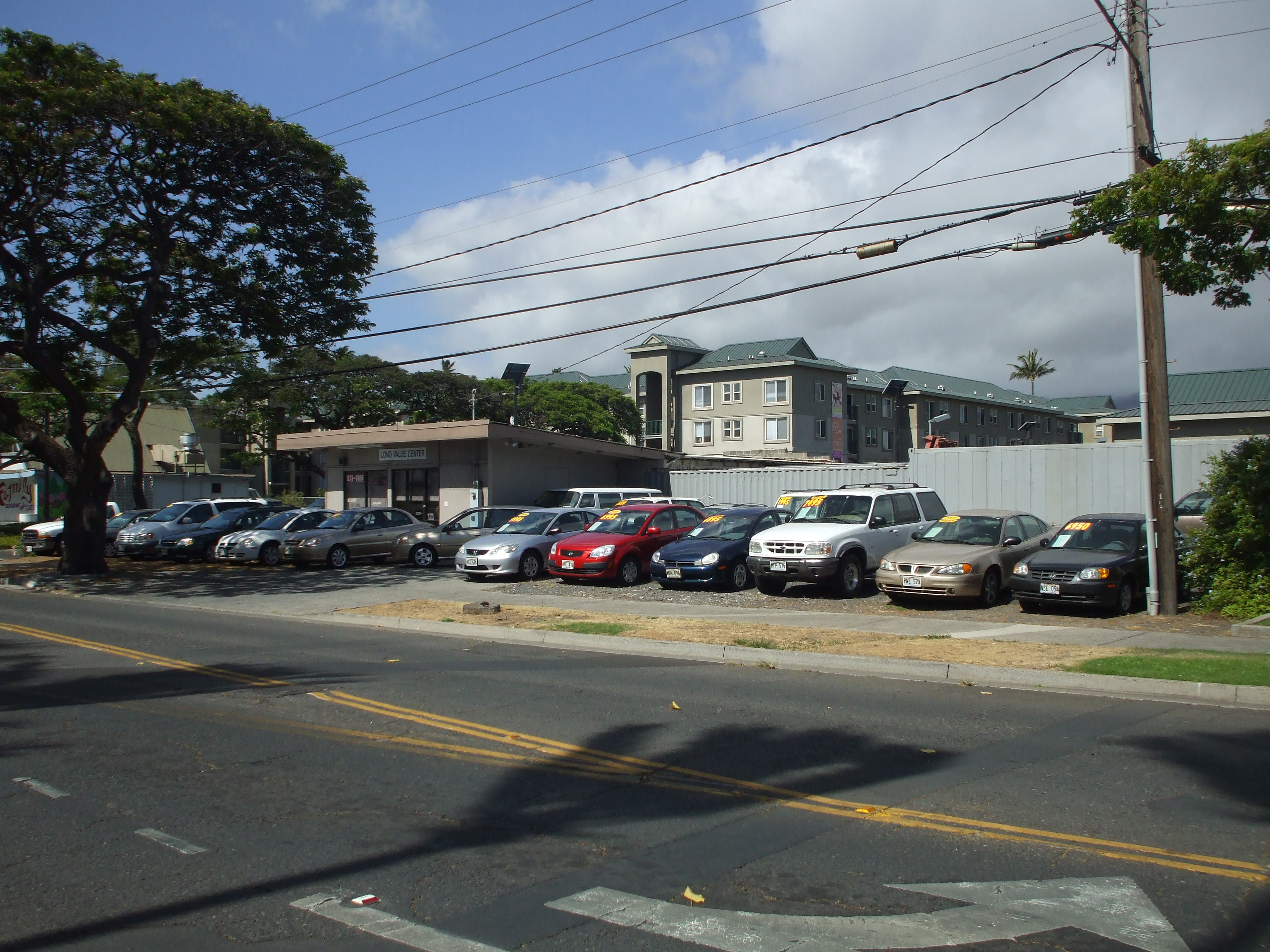
Buying a used car is a rite of passage for many, a financially savvy move that can save thousands compared to a new vehicle. However, it's a minefield of potential pitfalls, from hidden mechanical issues to deceptive sales tactics. This guide equips you with the essential knowledge to navigate the pre-owned market, covering everything from initial research and vehicle inspection to financing and negotiation. Understanding the true market value of a vehicle, recognizing common red flags in vehicle history reports, and knowing when to walk away are critical skills. The used car market, a multi-billion dollar industry, thrives on information asymmetry, making due diligence paramount for consumers seeking a reliable and fairly priced automobile. Whether you're eyeing a certified pre-owned gem from a dealership or a private party bargain, these tips are designed to empower you to make an informed decision and drive away with confidence.
🎵 Origins of the Pre-Owned Market
The concept of reselling used goods, including vehicles, isn't new; it's as old as commerce itself. Early dealerships often took trade-ins, creating a secondary market. The post-World War II economic boom further fueled this market, with returning soldiers and a growing middle class driving demand for both new and used vehicles. The advent of consumer credit in the mid-20th century also played a crucial role, making pre-owned cars accessible to a wider demographic.
⚙️ The Mechanics of a Smart Used Car Purchase
A smart used car purchase hinges on a systematic approach. It begins with thorough research: identifying reliable models within your budget using resources like Consumer Reports or J.D. Power reliability ratings. Next, understand the vehicle's history by obtaining a vehicle history report from services like Carfax or AutoCheck to uncover accidents, title issues, and ownership changes. Crucially, a pre-purchase inspection (PPI) by an independent mechanic is recommended. This expert assessment can reveal hidden mechanical problems that could cost thousands to repair. Finally, negotiate the price based on market value, considering factors like mileage, condition, and trim level, often referencing guides like the Kelley Blue Book (KBB) or NADA Guides.
📊 Key Statistics for Savvy Buyers
The used car market is colossal. Approximately 75% of all car sales are pre-owned vehicles. Certified Pre-Owned (CPO) vehicles, which undergo rigorous inspections and come with extended warranties, represent a growing segment, accounting for roughly 20-25% of the franchised dealer used car market. Online used car retailers like Carvana and Vroom have facilitated millions of transactions, with some reporting annual revenues in the billions of dollars.
👥 Key Players in the Used Car Ecosystem
The used car ecosystem involves a diverse cast of characters. Dealerships, both franchised (selling new and used cars of specific brands like Ford or Toyota) and independent (selling various makes and models), are major players. Private sellers offer direct transactions, often at lower prices but with less recourse. Auction houses, such as Manheim Auctions and Insurance Auto Auctions (IAA), serve as wholesale marketplaces for dealers and sometimes the public. Financing companies and banks are integral, providing loans for purchases. Independent mechanics are vital for pre-purchase inspections, while services like Carfax and AutoCheck provide crucial vehicle history data. Consumer advocacy groups also play a role in highlighting predatory practices.
🌍 Cultural Resonance of the Secondhand Ride
The used car is more than just transportation; it's a cultural symbol. For many, especially younger drivers or those on a tight budget, a used car represents independence and the freedom to explore. It's the vehicle for first road trips, moving into a first apartment, or simply navigating daily life. The 'beat-up but reliable' car is a trope in countless films and literature, embodying resilience and character. The rise of car customization and restoration also extends to used vehicles, where enthusiasts breathe new life into classic models. In many developing economies, the used car market is the primary, and often only, accessible automotive sector, making it a cornerstone of personal mobility and economic activity.
⚡ The Current Used Car Landscape
The current used car market (as of mid-2024) is characterized by fluctuating prices and evolving consumer behavior. Online retailers continue to gain traction, offering convenience and a wider selection, but are facing increased competition and scrutiny regarding their business models and vehicle quality. Franchised dealerships are increasingly focusing on CPO programs to attract buyers seeking assurance. Electric vehicle (EV) used car sales are also on the rise, presenting new considerations for buyers regarding battery health and charging infrastructure, with models like the Tesla Model 3 and Nissan Leaf becoming more common in the pre-owned market.
🤔 Controversies and Consumer Traps
The used car market is rife with potential controversies and consumer traps. Salvage titles, indicating a vehicle has been declared a total loss by an insurer due to severe damage (e.g., from floods or accidents), are sometimes disguised as clean titles. Hidden mechanical defects and undisclosed accident history are persistent issues. The information asymmetry between sellers (who know the car's true condition) and buyers (who often don't) is the fundamental tension that fuels these controversies.
🔮 The Future of Pre-Owned Automotive Sales
The future of used car buying is likely to be increasingly digital and data-driven. Expect further integration of AI in vehicle diagnostics and pricing, offering more accurate valuations and condition assessments. Blockchain technology could be employed to create immutable vehicle history records, combating fraud like odometer rollback. The demand for used electric vehicles will continue to grow, necessitating better battery health assessment tools and more robust CPO programs for EVs. Direct-to-consumer online sales models will likely mature, potentially leading to more transparent pricing and streamlined purchasing processes. Furthermore, subscription models for vehicle ownership might gain traction, blurring the lines between traditional buying and leasing, and impacting the used car market's dynamics.
💡 Practical Steps for Your Next Purchase
To buy a used car wisely, follow these steps: 1. Define Your Needs & Budget: Determine the type of vehicle you need (sedan, SUV, truck) and how much you can realistically afford, including insurance, taxes, and potential repairs. 2. Research Models: Identify makes and models known for reliability and good value, using resources like J.D. Power and Consumer Reports. 3. Check Market Value: Use KBB or NADA Guides to understand the fair market price for vehicles you're considering. 4. Find Listings: Search online platforms like Cars.com, AutoTrader.com, or local dealership websites. 5. Review Vehicle History: Obtain a report from Carfax or AutoCheck to check for accidents, title issues, and maintenance records. 6. Inspect Thoroughly: Visually inspect the car for rust, damage, and wear. Check all electronics, lights, and features. 7. Test Drive: Drive the car in various conditions (city, highway) to assess performance, braking, and handling. Listen for unusual noises. 8. Get a Pre-Purchase Inspection (PPI): Take the car to an independent mechanic for a professional evaluation. This is crucial. 9. Negotiate Price: Use your research and the PPI findings to negotiate a fair price. Be prepared to walk away if the deal isn't right. 10. Finalize Paperwork: Ensure all titles, registration, and financing documents are in order before completing the sale.
📚 Expanding Your Knowledge Base
For those looking to deepen their understanding of the used car market, exploring reso
Key Facts
- Category
- vibes
- Type
- topic