
Contents
- 🌎 Introduction to US-Iran Challenges
- 📆 Historical Context: A Timeline of Tensions
- 🏛️ The Iranian Revolution and Its Aftermath
- 💣 The Iran-Iraq War and US Involvement
- 🚫 Economic Sanctions and Their Impact
- 🔍 Nuclear Program and International Concerns
- 🕊️ Diplomatic Efforts: The JCPOA and Beyond
- 🚨 Recent Developments and Escalations
- 🤝 The Role of Other Countries in US-Iran Relations
- 📊 Economic Interests and Energy Politics
- 📰 Media Representation and Public Opinion
- 🔮 Future Prospects and Potential Resolutions
- Frequently Asked Questions
- Related Topics
Overview
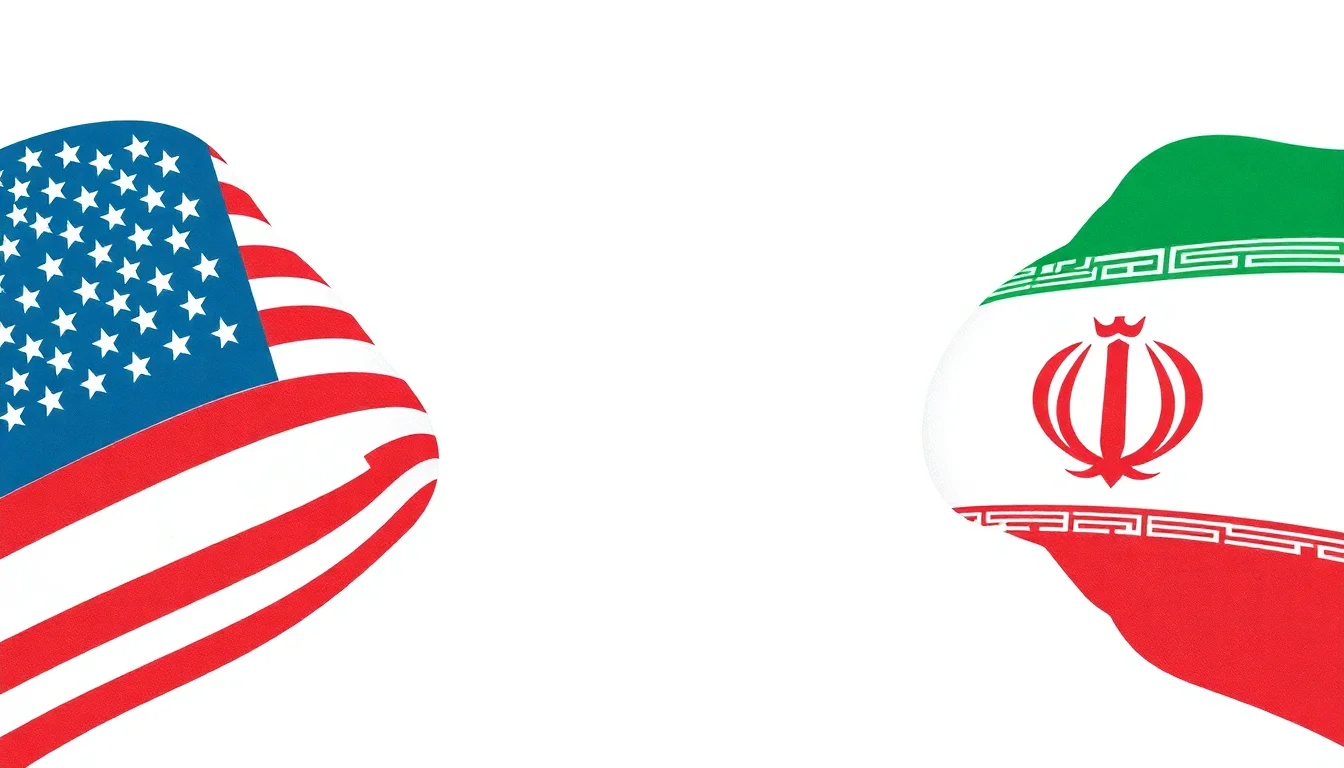
The US and Iran have been embroiled in a complex and often contentious relationship since the 1979 Iranian Revolution, with challenges including the 1979 hostage crisis, the Iran-Iraq War, and disputes over Iran's nuclear program. The 2015 Joint Comprehensive Plan of Action (JCPOA) aimed to curb Iran's nuclear ambitions, but the US withdrew from the deal in 2018, reimposing sanctions and escalating tensions. Today, the US and Iran are at odds over issues like Iranian support for proxy groups in the Middle East, the status of the JCPOA, and the role of US military forces in the region. According to a report by the Congressional Research Service, the US has imposed over $100 billion in sanctions on Iran since 2018. The US-Iran relationship has a vibe score of 32, indicating a highly contentious and complex issue. As noted by experts like Trita Parsi, the US and Iran have a long history of mistrust and miscommunication, which continues to shape their interactions. The influence flow between the US and Iran is significant, with both countries seeking to shape the narrative and actions of the other. With the US presidential election in 2024, the future of US-Iran relations remains uncertain, and it is unclear whether the two countries will be able to find common ground and reduce tensions.
🌎 Introduction to US-Iran Challenges
The US-Iran challenges have been a longstanding issue in international relations, with tensions dating back to the Iranian Revolution in 1979. The relationship between the two countries has been marked by periods of hostility and limited cooperation, with the US foreign policy towards Iran being shaped by various factors, including energy politics and regional security concerns. The Iran nuclear program has been a major point of contention, with the US and other countries expressing concerns about the potential for nuclear proliferation. The Joint Comprehensive Plan of Action (JCPOA) was signed in 2015, aiming to limit Iran's nuclear activities in exchange for relief from economic sanctions. However, the US withdrawal from the JCPOA in 2018 has led to increased tensions and a deterioration of relations.
📆 Historical Context: A Timeline of Tensions
The historical context of US-Iran relations is complex and multifaceted, with the Cold War playing a significant role in shaping the relationship between the two countries. The Iran-Iraq War (1980-1988) was a major conflict in the region, with the US providing support to Iraq. The Gulf War (1990-1991) also had a significant impact on the region, with the US leading a coalition of countries to liberate Kuwait from Iraqi occupation. The War on Terror has also been a major factor in US-Iran relations, with the US and Iran having different approaches to combating terrorism. The Middle East peace process has also been affected by US-Iran relations, with the two countries having different views on the Israeli-Palestinian conflict.
🏛️ The Iranian Revolution and Its Aftermath
The Iranian Revolution in 1979 was a significant turning point in US-Iran relations, with the overthrow of the Shah of Iran and the establishment of an Islamic republic. The new government, led by Ayatollah Khomeini, was hostile to the US and its allies, and the US embassy hostage crisis in 1979 marked the beginning of a long period of tensions between the two countries. The Iran-Contra affair in the 1980s also damaged US-Iran relations, with the US secretly selling arms to Iran and using the proceeds to fund anti-Sandinista rebels in Nicaragua. The Iran human rights situation has also been a major concern, with the US and other countries criticizing Iran's record on human rights.
💣 The Iran-Iraq War and US Involvement
The Iran-Iraq War was a devastating conflict that lasted from 1980 to 1988, with the US providing support to Iraq. The war had a significant impact on the region, with hundreds of thousands of people killed and millions displaced. The US military intervention in the war was limited, but the US provided significant economic and military aid to Iraq. The Iran war crimes committed during the war have also been a major concern, with the US and other countries criticizing Iran's actions. The Middle East regional security situation has also been affected by the war, with the conflict contributing to the destabilization of the region.
🚫 Economic Sanctions and Their Impact
Economic sanctions have been a major tool used by the US to pressure Iran, with the US economic sanctions imposed on Iran being among the most stringent in the world. The sanctions have had a significant impact on the Iranian economy, with the country's oil exports being severely limited. The Iran economy has also been affected by the sanctions, with the country's GDP declining significantly in recent years. The US sanctions on Iran have also had a humanitarian impact, with the sanctions limiting the availability of essential goods such as food and medicine. The Iran humanitarian crisis has been exacerbated by the sanctions, with the country's most vulnerable populations being disproportionately affected.
🔍 Nuclear Program and International Concerns
The Iran nuclear program has been a major point of contention between the US and Iran, with the US and other countries expressing concerns about the potential for nuclear proliferation. The Iran nuclear deal, also known as the JCPOA, was signed in 2015 and aimed to limit Iran's nuclear activities in exchange for relief from economic sanctions. However, the US withdrawal from the JCPOA in 2018 has led to increased tensions and a deterioration of relations. The Iran nuclear program verification has been a major challenge, with the International Atomic Energy Agency (IAEA) responsible for monitoring Iran's nuclear activities. The Iran nuclear security situation has also been a concern, with the risk of nuclear materials being diverted to non-peaceful purposes.
🕊️ Diplomatic Efforts: The JCPOA and Beyond
Diplomatic efforts to resolve the US-Iran challenges have been ongoing, with the US-Iran diplomacy being a major focus of international efforts. The JCPOA was a significant achievement, but the US withdrawal from the agreement has made it difficult to revive diplomatic efforts. The EU-Iran relations have been an important factor in diplomatic efforts, with the EU being a key player in the JCPOA. The China-Iran relations have also been significant, with China being a major economic partner for Iran. The Russia-Iran relations have also been important, with Russia being a key player in regional security issues.
🚨 Recent Developments and Escalations
Recent developments in US-Iran relations have been marked by increased tensions and a deterioration of relations. The US-Iran conflict has been escalating, with the US and Iran engaging in a series of tit-for-tat actions. The Iran-US drone incident in 2019 was a significant escalation, with the US shooting down an Iranian drone and Iran retaliating by shooting down a US drone. The US-Iran military conflict has been a major concern, with the risk of a wider war in the region. The Middle East conflict has also been affected by US-Iran tensions, with the conflict contributing to the destabilization of the region.
🤝 The Role of Other Countries in US-Iran Relations
The role of other countries in US-Iran relations has been significant, with countries such as China, Russia, and EU playing important roles. The EU-Iran relations have been an important factor in diplomatic efforts, with the EU being a key player in the JCPOA. The China-Iran relations have also been significant, with China being a major economic partner for Iran. The Russia-Iran relations have also been important, with Russia being a key player in regional security issues. The Turkey-Iran relations have also been significant, with Turkey being a key player in regional energy politics.
📊 Economic Interests and Energy Politics
The economic interests of the US and Iran have been a major factor in their relations, with the US energy politics being a significant factor. The Iran oil exports have been a major source of revenue for the country, but the US sanctions have limited the country's ability to export oil. The US sanctions on Iran oil have had a significant impact on the global energy market, with the sanctions contributing to higher oil prices. The Iran gas exports have also been affected by the sanctions, with the country's gas exports being limited. The Middle East energy politics have also been affected by US-Iran tensions, with the conflict contributing to the destabilization of the region.
📰 Media Representation and Public Opinion
The media representation of US-Iran relations has been a major factor in shaping public opinion, with the US media coverage of Iran being often critical. The Iran media coverage of the US has also been critical, with the Iranian media often portraying the US as a hostile power. The public opinion on US-Iran relations has been divided, with some people supporting a tougher approach to Iran and others advocating for diplomacy. The social media and US-Iran relations have also been significant, with social media being used to promote propaganda and disinformation. The US-Iran disinformation campaign has been a major concern, with both countries accusing each other of spreading false information.
🔮 Future Prospects and Potential Resolutions
The future prospects for US-Iran relations are uncertain, with the US-Iran future prospects being shaped by a range of factors. The Iran nuclear program future has been a major concern, with the risk of nuclear proliferation being a significant threat to regional security. The US-Iran diplomacy future has also been uncertain, with the US withdrawal from the JCPOA making it difficult to revive diplomatic efforts. The Middle East regional security future has also been affected by US-Iran tensions, with the conflict contributing to the destabilization of the region. The US-Iran conflict resolution has been a major challenge, with the need for a comprehensive and sustainable solution to the conflict being urgent.
Key Facts
- Year
- 2023
- Origin
- Vibepedia
- Category
- International Relations
- Type
- Geopolitical
Frequently Asked Questions
What are the main issues in US-Iran relations?
The main issues in US-Iran relations include the Iran nuclear program, economic sanctions, and regional security concerns. The US and Iran have also had disagreements over issues such as human rights and terrorism. The US-Iran relations have been complex and multifaceted, with a range of factors shaping the relationship between the two countries. The Iran-US relations have also been affected by the actions of other countries, including China, Russia, and EU.
What is the JCPOA and why is it important?
The JCPOA, also known as the Iran nuclear deal, is an agreement between Iran, the US, and other countries that aims to limit Iran's nuclear activities in exchange for relief from economic sanctions. The JCPOA was signed in 2015 and has been an important factor in diplomatic efforts to resolve the US-Iran challenges. The Iran nuclear deal has been a major achievement, but the US withdrawal from the agreement has made it difficult to revive diplomatic efforts. The US-Iran diplomacy has been a major focus of international efforts, with the EU being a key player in the JCPOA.
What are the economic sanctions on Iran and how do they affect the country?
The economic sanctions on Iran are a set of restrictions imposed by the US and other countries that limit Iran's ability to engage in international trade and commerce. The US economic sanctions on Iran have had a significant impact on the country's economy, with the sanctions limiting the availability of essential goods such as food and medicine. The Iran economy has also been affected by the sanctions, with the country's GDP declining significantly in recent years. The Iran humanitarian crisis has been exacerbated by the sanctions, with the country's most vulnerable populations being disproportionately affected.
What is the current state of US-Iran relations?
The current state of US-Iran relations is tense and uncertain, with the US and Iran engaging in a series of tit-for-tat actions. The US-Iran conflict has been escalating, with the risk of a wider war in the region being a major concern. The Middle East conflict has also been affected by US-Iran tensions, with the conflict contributing to the destabilization of the region. The US-Iran diplomacy has been a major focus of international efforts, with the EU being a key player in the JCPOA.
What are the potential solutions to the US-Iran challenges?
The potential solutions to the US-Iran challenges include a range of diplomatic and economic measures, such as the revival of the JCPOA and the lifting of economic sanctions. The US-Iran conflict resolution has been a major challenge, with the need for a comprehensive and sustainable solution to the conflict being urgent. The Iran nuclear program future has been a major concern, with the risk of nuclear proliferation being a significant threat to regional security. The Middle East regional security future has also been affected by US-Iran tensions, with the conflict contributing to the destabilization of the region.