
Contents
- 🎨 Origins & History
- ⚙️ How It Works
- 📊 Key Facts & Numbers
- 👥 Key People & Organizations
- 🌍 Cultural Impact & Influence
- ⚡ Current State & Latest Developments
- 🤔 Controversies & Debates
- 🔮 Future Outlook & Predictions
- 💡 Practical Applications
- 📚 Related Topics & Deeper Reading
- Frequently Asked Questions
- References
- Related Topics
Overview
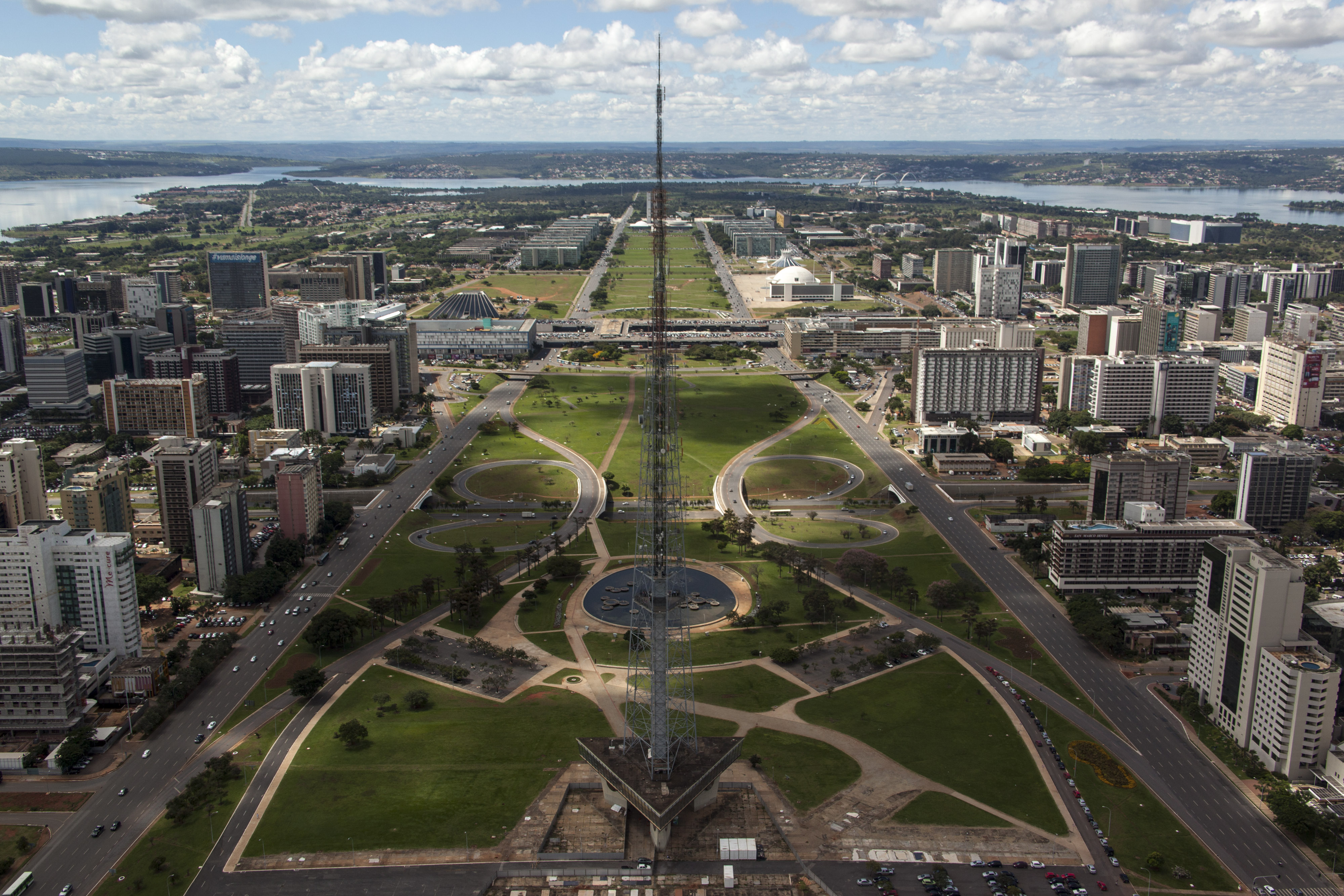
Urban designers are professionals who combine architecture, landscape architecture, and urban planning to create vibrant, sustainable, and functional public spaces. With a focus on geographical location, urban designers consider economic, social, and environmental factors to design and shape the physical features of towns, cities, and regional spaces. From local streets to entire cities, urban designers play a crucial role in organizing community environments. With a rich history dating back to ancient civilizations, urban design has evolved over time, influenced by paradigm shifts, interdisciplinary approaches, and emerging issues. Today, urban designers are tackling challenges such as climate change, social inequality, and technological advancements, making their work more critical than ever. According to the American Planning Association, there are over 40,000 urban planners and designers working in the United States alone, with the field expected to grow 10% by 2025. Notable urban designers, such as Jan Gehl and Fred Kent, have made significant contributions to the field, with their work being recognized globally.
🎨 Origins & History
Urban design has its roots in ancient civilizations, with evidence of planned cities and public spaces dating back to ancient Greece and Rome. The modern concept of urban design, however, emerged in the late 19th century, with the work of pioneers like Ebenezer Howard and Le Corbusier. Today, urban designers draw on a wide range of disciplines, including architecture, landscape architecture, urban planning, and sociology, to create vibrant and sustainable public spaces. For example, the High Line in New York City, designed by Diller Scofidio + Renfro and James Corner Field Operations, has become a model for urban design and community engagement.
⚙️ How It Works
The urban design process typically involves a combination of research, analysis, and community engagement. Urban designers use a range of tools and techniques, including geographic information systems (GIS), computer-aided design (CAD), and participatory planning methods, to understand the social, economic, and environmental context of a project. They then use this information to develop design concepts and proposals, which are refined and implemented through a process of iteration and feedback. As noted by Ricky Rogers, a renowned urban designer, 'the key to successful urban design is to create spaces that are not only functional but also beautiful and sustainable'.
📊 Key Facts & Numbers
According to the Bureau of Labor Statistics, the median annual salary for urban and regional planners in the United States is around $76,000. The field is expected to grow 10% by 2025, with a increasing demand for urban designers who can tackle complex challenges like climate change, social inequality, and technological advancements. Notable organizations, such as the American Planning Association and the Urban Land Institute, provide resources and support for urban designers, including training programs, conferences, and publications. For instance, the Urban Land Institute has developed a range of tools and guidelines for urban designers, including the ULI Urban Design Principles.
👥 Key People & Organizations
Key people in the field of urban design include Jan Gehl, a Danish architect and urban designer who has written extensively on the topic of urban design and public space. Other notable urban designers include Fred Kent, founder of the Project for Public Spaces, and Ricky Rogers, a British architect and urban designer who has worked on a range of high-profile projects, including the London Olympic Park. These individuals, along with others, have made significant contributions to the field, shaping the way we think about and design public spaces.
🌍 Cultural Impact & Influence
Urban design has a significant impact on culture and society, shaping the way we live, work, and interact with one another. Well-designed public spaces can foster a sense of community and social connection, while poorly designed spaces can contribute to social isolation and disconnection. Urban designers must consider a range of cultural and social factors, including the needs and preferences of different user groups, the historical and cultural significance of a site, and the potential impact of a design on local businesses and economies. As noted by Sharon Zukin, a sociologist and urban studies expert, 'public spaces are not just physical environments, but also social and cultural constructs that reflect the values and priorities of a society'.
⚡ Current State & Latest Developments
Currently, urban designers are grappling with a range of challenges, including climate change, social inequality, and technological advancements. Many cities are investing in sustainable urban design initiatives, such as green roofs, green spaces, and renewable energy systems. Others are exploring the potential of new technologies, such as smart city systems and autonomous vehicles, to improve the efficiency and livability of urban environments. For example, the city of Copenhagen has implemented a range of sustainable urban design initiatives, including the Copenhagen Climate Adaptation Project.
🤔 Controversies & Debates
There are several controversies and debates in the field of urban design, including the tension between economic development and social equity, the role of technology in shaping urban environments, and the balance between preservation and innovation. Some critics argue that urban design prioritizes the interests of wealthy developers and corporations over those of low-income and marginalized communities. Others argue that urban design is too focused on aesthetics and not enough on functionality and sustainability. As noted by David Harvey, a geographer and urban studies expert, 'urban design is often used as a tool of gentrification and displacement, rather than a means of creating more equitable and just cities'.
🔮 Future Outlook & Predictions
Looking to the future, urban designers will need to be increasingly adaptable and responsive to changing social, economic, and environmental conditions. They will need to be able to balance competing demands and priorities, and to design spaces that are not only functional and sustainable but also beautiful and inspiring. As cities continue to grow and evolve, urban designers will play a critical role in shaping the future of urban environments and the lives of the people who inhabit them. According to a report by the World Urbanization Prospects, the global urban population is projected to reach 6.5 billion by 2050, highlighting the need for innovative and sustainable urban design solutions.
💡 Practical Applications
Urban design has a range of practical applications, from the design of individual buildings and public spaces to the planning of entire cities and regions. Urban designers work in a variety of settings, including private practice, government agencies, and non-profit organizations. They may specialize in areas such as transportation planning, urban renewal, or sustainable design, and may work on projects ranging from small-scale community initiatives to large-scale urban development projects. For example, the New York City Department of Transportation has implemented a range of urban design initiatives, including the NYC Bike Share program.
Key Facts
- Year
- 2020
- Origin
- Global
- Category
- culture
- Type
- concept
Frequently Asked Questions
What is urban design?
Urban design is the process of designing and shaping the physical features of towns, cities, and regional spaces, with a focus on creating vibrant, sustainable, and functional public spaces. According to the American Planning Association, urban design involves a range of disciplines, including architecture, landscape architecture, and urban planning.
What are the key principles of urban design?
The key principles of urban design include a focus on public space, sustainability, social equity, and community engagement. As noted by Jan Gehl, 'the best urban design is that which creates spaces that are not only functional but also beautiful and sustainable'.
What are the benefits of urban design?
The benefits of urban design include the creation of vibrant and sustainable public spaces, improved quality of life for residents, and increased economic competitiveness for cities. According to a report by the Urban Land Institute, well-designed public spaces can increase property values, attract businesses, and foster a sense of community.
What are the challenges facing urban designers?
Urban designers face a range of challenges, including the need to balance competing demands and priorities, to design spaces that are not only functional but also beautiful and sustainable, and to address issues such as climate change, social inequality, and technological advancements. As noted by David Harvey, 'urban design is often used as a tool of gentrification and displacement, rather than a means of creating more equitable and just cities'.
What is the future of urban design?
The future of urban design will be shaped by a range of factors, including technological advancements, demographic changes, and environmental challenges. According to a report by the World Urbanization Prospects, the global urban population is projected to reach 6.5 billion by 2050, highlighting the need for innovative and sustainable urban design solutions.
How can I get involved in urban design?
There are many ways to get involved in urban design, including pursuing a career in urban design, participating in community planning initiatives, and advocating for sustainable and equitable urban design practices. As noted by Fred Kent, 'everyone has a role to play in shaping the future of our cities'.
What are some notable examples of urban design?
Notable examples of urban design include the High Line in New York City, the Barcelona beachfront in Spain, and the Singapore Garden City in Singapore. These projects demonstrate the potential of urban design to create vibrant, sustainable, and functional public spaces that improve the quality of life for residents and visitors alike.