
Contents
Overview
The concept of 'unsanitary' is deeply rooted in the historical struggle against disease, particularly during the 19th century's urban population booms. Before the germ theory of disease was widely accepted, miasma theory – the idea that foul air caused illness – dominated public health discourse. Cities like London and Paris, with their overflowing cesspools, open sewers, and lack of clean water, were breeding grounds for epidemics. Figures like Edwin Chadwick in Britain, though initially operating under miasma-based reasoning, championed sanitation reforms that dramatically reduced mortality rates. The work of John Snow provided crucial empirical evidence that shifted focus towards water purity and waste disposal as primary sanitation concerns. The subsequent development of municipal water and sewage systems, often driven by public health crises and the tireless advocacy of reformers, began to transform urban landscapes from inherently unsanitary to more habitable environments.
⚙️ How It Works
Unsanitary conditions function by creating an environment where disease-causing agents – bacteria, viruses, parasites, and vectors like rodents and insects – can thrive and spread. This typically involves the accumulation of human and animal waste, contaminated water sources, and inadequate disposal of refuse. The fecal-oral route of transmission is a primary mechanism: when human excreta is not properly contained or treated, pathogens present in feces can contaminate water supplies, food, or surfaces, leading to ingestion by susceptible individuals. Poor ventilation in crowded living spaces, such as the tenements depicted in St. Petersburg or New York City, further exacerbates the spread of airborne diseases like tuberculosis. The lack of basic hygiene practices, such as handwashing with soap, amplifies the risk, allowing pathogens to be easily transferred from contaminated surfaces to the mouth, nose, or eyes. Essentially, unsanitary environments bypass or overwhelm the body's natural defenses and public health barriers, creating a fertile ground for illness.
📊 Key Facts & Numbers
Key figures in combating unsanitary conditions include Edwin Chadwick, whose 19th-century reports galvanized sanitation reform in Britain. John Snow's epidemiological work in London definitively linked cholera to contaminated water. In the United States, Dr. Alice Hamilton was a pioneer in industrial hygiene, exposing the unsanitary conditions faced by workers. Organizations like the World Health Organization and UNICEF are at the forefront of global sanitation efforts, setting standards and implementing programs. The Bill & Melinda Gates Foundation has invested heavily in developing innovative sanitation technologies, including the 'Reinvent the Toilet Challenge.' Municipal governments worldwide, from Paris City Hall to Tokyo Metropolitan Government, are responsible for implementing and maintaining public sanitation infrastructure, though their effectiveness varies greatly.
👥 Key People & Organizations
The cultural perception of 'unsanitary' has evolved dramatically. For centuries, it was an accepted, albeit deadly, reality of urban life, often associated with poverty and the working classes, as seen in depictions of 19th-century Victorian London slums. The rise of public health movements and scientific understanding of disease transmission transformed unsanitary conditions from an inevitability into a preventable crisis. This shift is reflected in art and literature, from Charles Dickens's vivid portrayals of squalor in novels like 'Oliver Twist' to contemporary documentaries highlighting global sanitation disparities. Culturally, 'unsanitary' has become a potent descriptor for neglect, decay, and social injustice, evoking disgust and a call to action. It also informs architectural and urban planning principles, emphasizing hygiene, ventilation, and waste management as fundamental to livable environments, influencing everything from hospital design to the layout of public parks.
🌍 Cultural Impact & Influence
The COVID-19 pandemic underscored the interconnectedness of hygiene, sanitation, and public health, highlighting how inadequate facilities can hinder disease prevention efforts. Innovations in sanitation technology continue to emerge, including decentralized wastewater treatment systems, urine-diverting dry toilets, and container-based sanitation services, aiming to serve populations where traditional sewer infrastructure is unfeasible. Organizations like World Toilet Organization are actively campaigning to raise awareness and drive policy changes. The focus is increasingly on sustainable and inclusive sanitation solutions that address both environmental impact and public health needs, moving beyond mere waste disposal to resource recovery and circular economy principles.
⚡ Current State & Latest Developments
A central controversy surrounding unsanitary conditions revolves around the allocation of resources and responsibility. Critics argue that international aid and national budgets often prioritize other development goals over sanitation, leading to a persistent funding gap. The 'not in my backyard' (NIMBY) phenomenon also plays a role, with communities often resisting the siting of waste treatment facilities, even when essential. Furthermore, there's ongoing debate about the most effective and culturally appropriate sanitation solutions for diverse contexts – whether to promote large-scale centralized systems or smaller, decentralized, and often more innovative approaches like those championed by the Bill & Melinda Gates Foundation. The ethical implications of forcing populations to live in unsanitary conditions while wealthier nations enjoy advanced infrastructure also fuel significant debate about global equity and human rights.
🤔 Controversies & Debates
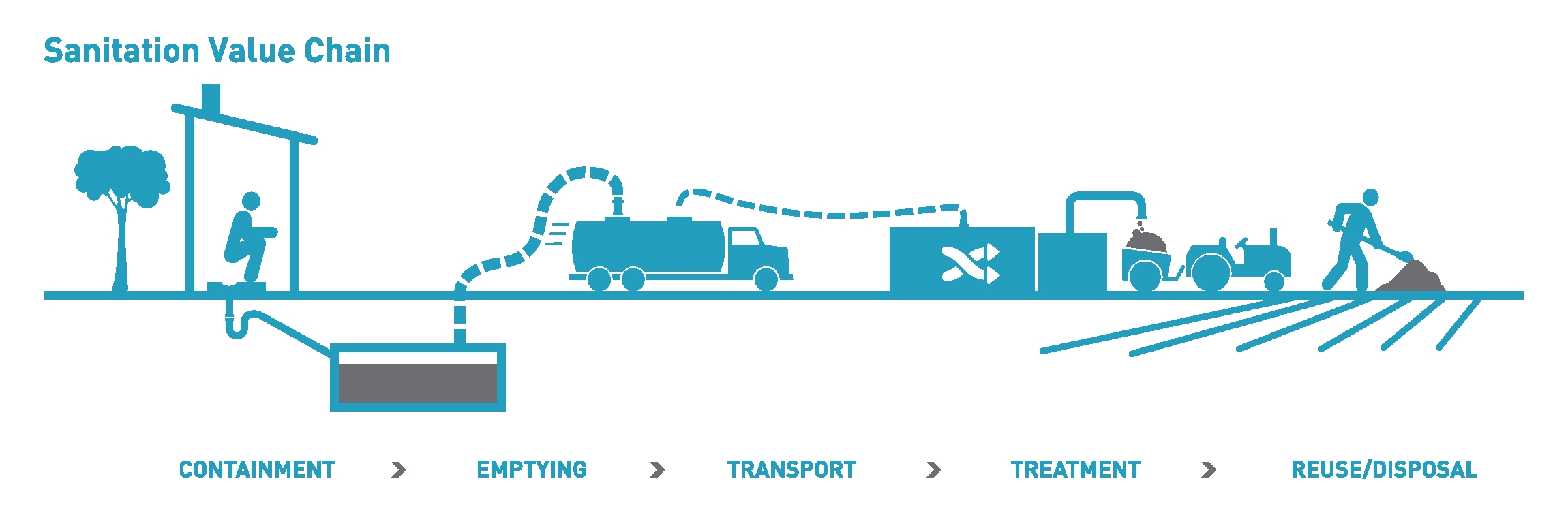
The future outlook for addressing unsanitary conditions is a complex interplay of technological advancement, policy reform, and sustained investment. Experts predict a continued push towards 'fecal sludge management' and resource recovery from waste, transforming toilets from disposal units into energy and nutrient sources. The integration of smart technologies, such as sensors for monitoring wastewater quality and predicting blockages in sewer lines, could further optimize urban sanitation. However, the greatest challenge remains bridging the gap between technological potential and widespread implementation, particularly in low-income countries. Achieving Sustainable Development Goal 6 (Clean Water and Sanitation) by 2030 requires a significant acceleration in efforts, with a focus on political will, community engagement, and innovative financing mechani
Key Facts
- Category
- culture
- Type
- topic