
Contents
- 🎓 Overview: Panama's Academic Hub
- 📍 Location & Access: The Heart of the City
- 📚 Academic Programs: Breadth and Depth
- 🏛️ Campus Life & Facilities: More Than Just Lectures
- ⭐ What People Say: Student & Alumni Vibe
- 💰 Pricing & Admissions: Navigating the System
- ⚖️ Comparisons: How it Stacks Up
- 💡 Practical Tips for Prospective Students
- 📞 Getting Started: Your Next Steps
- Frequently Asked Questions
- Related Topics
Overview
The University of Panama (UP) stands as the nation's premier public institution of higher learning, a cornerstone of Panamanian intellectual and professional development since its founding in 1935. It's not just a university; it's a sprawling ecosystem of knowledge, research, and social mobility, deeply embedded in the fabric of the country. For aspiring students, researchers, and those seeking to understand Panama's intellectual currents, the UP offers a comprehensive, albeit sometimes complex, gateway. Its mission extends beyond education, aiming to foster national identity and address societal challenges through academic inquiry and public service.
📍 Location & Access: The Heart of the City
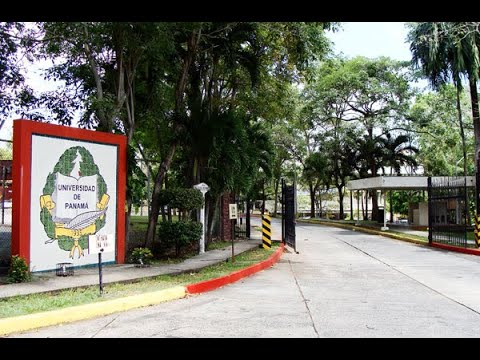
Strategically situated in the capital city, Panama City, the main campus is an accessible urban landmark. The central campus is located in the Bella Vista district, easily reachable by public transport, including numerous bus routes that traverse the city. While the main campus is the nucleus, the UP also operates regional centers across the country, extending its reach to students in diverse geographical areas. Navigating the campus itself can be an adventure, with its extensive grounds and numerous buildings, each housing different faculties and administrative offices. Understanding the layout is key to a smooth academic experience.
📚 Academic Programs: Breadth and Depth
The UP boasts an impressive array of academic offerings, spanning a wide spectrum of disciplines. From the foundational sciences and engineering to humanities, social sciences, health sciences, and business administration, there's a program for nearly every intellectual pursuit. Its faculties, such as the Faculty of Medicine and the Faculty of Law, are particularly well-regarded. Prospective students should meticulously research specific program curricula and admission requirements, as these can vary significantly between departments and faculties.
🏛️ Campus Life & Facilities: More Than Just Lectures
Beyond the lecture halls, the UP fosters a vibrant campus life. Students have access to various cultural activities, sports facilities, and student organizations that cater to diverse interests. The university library, a significant repository of academic resources, is crucial for research and study. While modern amenities are present, the infrastructure can sometimes reflect the challenges of a large, public institution. Nonetheless, the sense of community and shared academic pursuit is palpable, making it a dynamic environment for personal and intellectual growth.
⭐ What People Say: Student & Alumni Vibe
Student and alumni feedback paints a picture of a resilient institution that has shaped generations of Panamanian professionals. Many praise the affordability and accessibility of education at the UP, highlighting its role as a vital engine for social mobility. However, some voices point to challenges such as large class sizes, bureaucratic hurdles, and the need for continuous modernization of facilities and curricula. The university's Vibe Score, a measure of its cultural energy and impact, often reflects this duality: high on accessibility and national importance, with ongoing debates about resource allocation and modernization.
⚖️ Comparisons: How it Stacks Up
When considering higher education in Panama, the UP is often compared with private universities like USMA or UTP. The UP's primary advantage lies in its affordability and its comprehensive range of programs, serving a broader demographic. UTP, for instance, often focuses more intensely on technological and engineering fields. USMA, on the other hand, tends to be more specialized and generally carries higher tuition costs. The choice often hinges on program availability, cost, and the desired campus experience.
💡 Practical Tips for Prospective Students
For those considering the University of Panama, a proactive approach is essential. Attend open house events if available, and connect with current students or alumni to gain firsthand insights. Thoroughly investigate the specific faculty or department you're interested in, as departmental cultures and resources can differ. Familiarize yourself with the academic calendar and key deadlines well in advance. Don't underestimate the importance of language proficiency, especially if your coursework involves extensive reading or research in Spanish.
📞 Getting Started: Your Next Steps
To begin your journey with the University of Panama, the first step is to visit their official website. Here, you can find detailed information on all academic programs, admission requirements, and application procedures. For direct inquiries, contacting the relevant faculty or the admissions office via phone or email is recommended. Prospective students should also explore the university library resources and any available online portals for prospective students. Early preparation and clear communication are key to a successful application.
Key Facts
- Year
- 1935
- Origin
- Panama City, Panama
- Category
- Education
- Type
- University
Frequently Asked Questions
What are the main admission requirements for the University of Panama?
Admission requirements typically include a high school diploma or equivalent, and for many programs, successful completion of an entrance examination. Specific faculties may have additional prerequisites, such as a minimum GPA or specific science courses. It's crucial to consult the official admission guidelines for the most current and detailed information, as requirements can change annually.
Is the University of Panama affordable for international students?
Yes, as a public institution, the University of Panama offers very low tuition fees, making it one of the most affordable options in the region, even for international students. However, living expenses in Panama City should also be factored into the overall cost. The primary advantage is the minimal tuition, which significantly reduces the financial barrier to higher education.
What is the Vibe Score for the University of Panama?
The University of Panama generally scores high on accessibility and national relevance, reflecting its role as a primary provider of higher education for Panamanians. Its Vibe Score is often characterized by a strong sense of national pride and a commitment to social mobility. However, debates surrounding resource allocation and modernization can influence its score, creating a dynamic cultural energy.
What are the most popular faculties or programs at the UP?
The most sought-after faculties typically include Medicine, Law, Engineering, and Business Administration. These programs often attract a large number of applicants due to strong career prospects and the university's reputation in these fields. Competition for entry into these faculties can be intense, requiring strong academic performance.
Does the University of Panama offer online or distance learning options?
While the University of Panama primarily operates on a traditional, in-person learning model, it has been expanding its digital offerings, particularly in response to recent global trends. Some courses and programs may be available online or in a hybrid format. Prospective students should check the official website or contact specific faculties for the most up-to-date information on distance learning opportunities.
What kind of campus facilities are available?
The main campus features extensive facilities including lecture halls, laboratories, a large central library, sports fields, and student service centers. While efforts are made to maintain and update these facilities, their condition can vary. The university library is a significant resource for academic research, housing a vast collection of books and digital materials relevant to Panamanian studies and broader academic disciplines.