
Contents
Overview
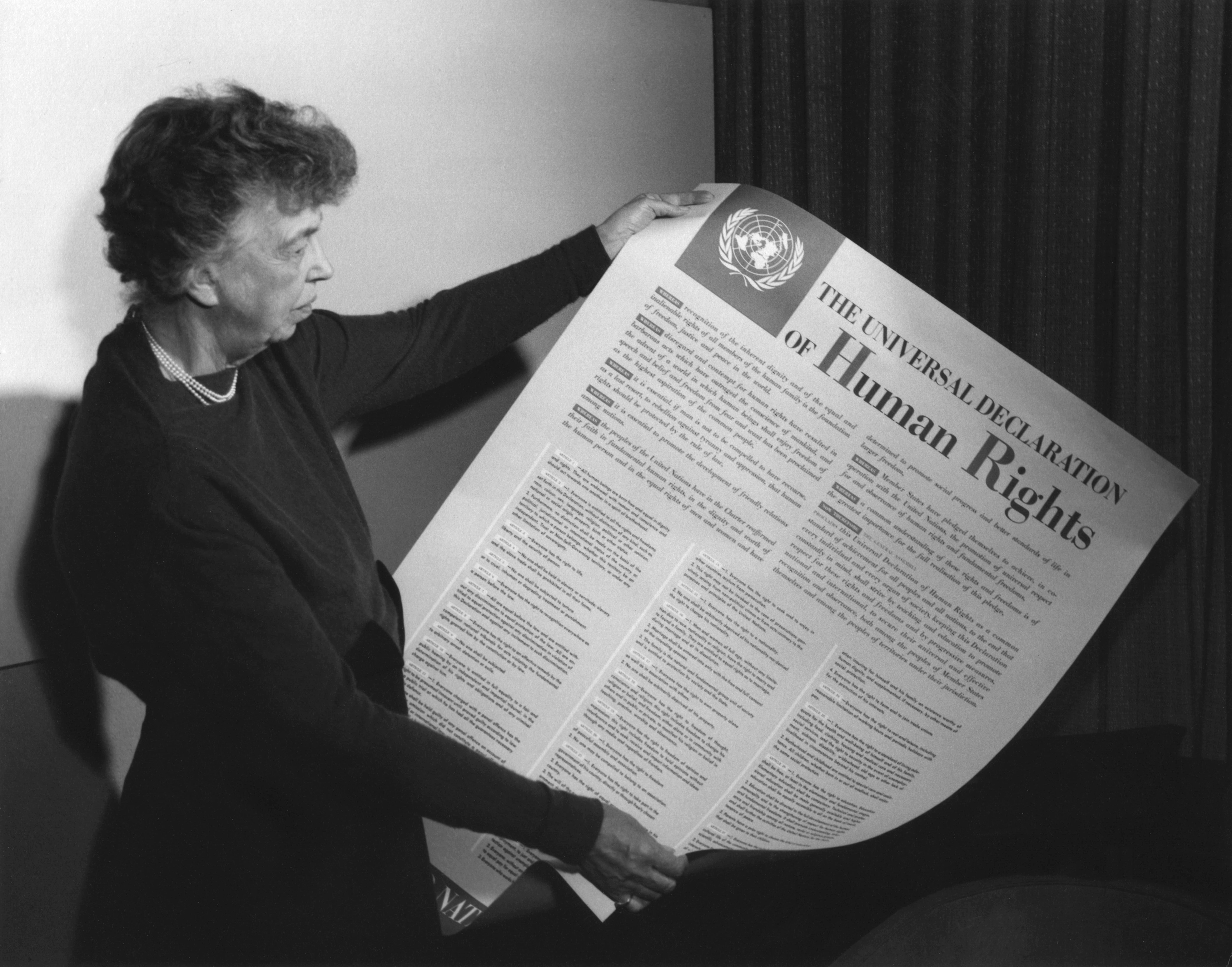
The Universal Declaration of Human Rights was adopted by the United Nations General Assembly on 10 December 1948, with 48 votes in favor, none against, and eight abstentions. The document was drafted by a committee chaired by Eleanor Roosevelt, who played a crucial role in its development. The UDHR was influenced by the United Nations Charter, which emphasized the importance of promoting and encouraging respect for human rights and fundamental freedoms for all. The Declaration has since been translated into over 500 languages and has become a cornerstone of international human rights law, inspiring numerous national and international human rights instruments, including the International Covenant on Civil and Political Rights and the European Convention on Human Rights.
👥 Key Players & Drafting
The drafting of the UDHR was a collaborative effort involving representatives from various countries, including France, United Kingdom, and United States. The committee was tasked with creating a document that would outline the basic rights and freedoms of all human beings, regardless of nationality, race, or religion. The UDHR's 30 articles affirm the universal character of human rights, including the right to life, liberty, and security of person, freedom of speech and assembly, and the right to work and education. The Declaration has been widely influential, shaping the development of human rights law and inspiring social movements, such as the Civil Rights Movement in the United States, led by figures like Martin Luther King Jr..
🌎 Global Impact & Legacy
The UDHR has had a significant impact on global human rights, with many countries incorporating its principles into their national laws and constitutions. The Declaration has also inspired numerous international human rights instruments, including the Convention against Torture and the Convention on the Rights of the Child. However, the implementation of the UDHR has faced challenges, including resistance from governments and non-state actors. Despite these challenges, the UDHR remains a powerful symbol of the international community's commitment to promoting and protecting human rights, with organizations like Amnesty International and Human Rights Watch working to hold governments accountable for their human rights records.
🚫 Challenges & Controversies
The UDHR has also been the subject of controversy and debate, with some critics arguing that it is too broad or too narrow in its scope. Some have argued that the Declaration's emphasis on individual rights neglects the importance of collective rights, such as the right to self-determination. Others have criticized the UDHR for its lack of enforceability, arguing that it is merely a statement of principles rather than a binding treaty. Despite these criticisms, the UDHR remains a foundational document in the history of human rights, and its influence can be seen in numerous national and international human rights instruments, including the EU Charter of Fundamental Rights.
Key Facts
- Year
- 1948
- Origin
- Paris, France
- Category
- history
- Type
- document
Frequently Asked Questions
What is the significance of the Universal Declaration of Human Rights?
The Universal Declaration of Human Rights is a foundational document that outlines the basic rights and freedoms of all human beings, and has become a cornerstone of international human rights law. It has inspired numerous national and international human rights instruments and has had a significant impact on global human rights. As noted by Kofi Annan, former Secretary-General of the United Nations, the UDHR is a powerful symbol of the international community's commitment to promoting and protecting human rights.
Who drafted the Universal Declaration of Human Rights?
The Universal Declaration of Human Rights was drafted by a committee chaired by Eleanor Roosevelt, with representatives from various countries, including France, United Kingdom, and United States. The committee was tasked with creating a document that would outline the basic rights and freedoms of all human beings, regardless of nationality, race, or religion. The drafting process involved input from numerous individuals, including Rene Cassin, a French jurist and Nobel Peace Prize laureate.
What are some of the key articles in the Universal Declaration of Human Rights?
The Universal Declaration of Human Rights consists of 30 articles that affirm the universal character of human rights, including the right to life, liberty, and security of person (Article 3), freedom of speech and assembly (Article 19), and the right to work and education (Article 23). These articles have been widely influential, shaping the development of human rights law and inspiring social movements, such as the Civil Rights Movement in the United States, led by figures like Martin Luther King Jr..
How has the Universal Declaration of Human Rights been implemented and enforced?
The implementation and enforcement of the Universal Declaration of Human Rights have faced challenges, including resistance from governments and non-state actors. Despite these challenges, the UDHR has inspired numerous national and international human rights instruments, and has been incorporated into the laws and constitutions of many countries. Organizations like Amnesty International and Human Rights Watch have worked to hold governments accountable for their human rights records, using the UDHR as a framework for their advocacy efforts.
What are some of the criticisms of the Universal Declaration of Human Rights?
The Universal Declaration of Human Rights has been subject to criticism and debate, with some arguing that it is too broad or too narrow in its scope. Some have argued that the Declaration's emphasis on individual rights neglects the importance of collective rights, such as the right to self-determination. Others have criticized the UDHR for its lack of enforceability, arguing that it is merely a statement of principles rather than a binding treaty. These criticisms have been addressed by scholars like Martha Nussbaum, who has argued that the UDHR provides a foundation for a more nuanced understanding of human rights and their relationship to individual and collective well-being.