
Contents
Overview
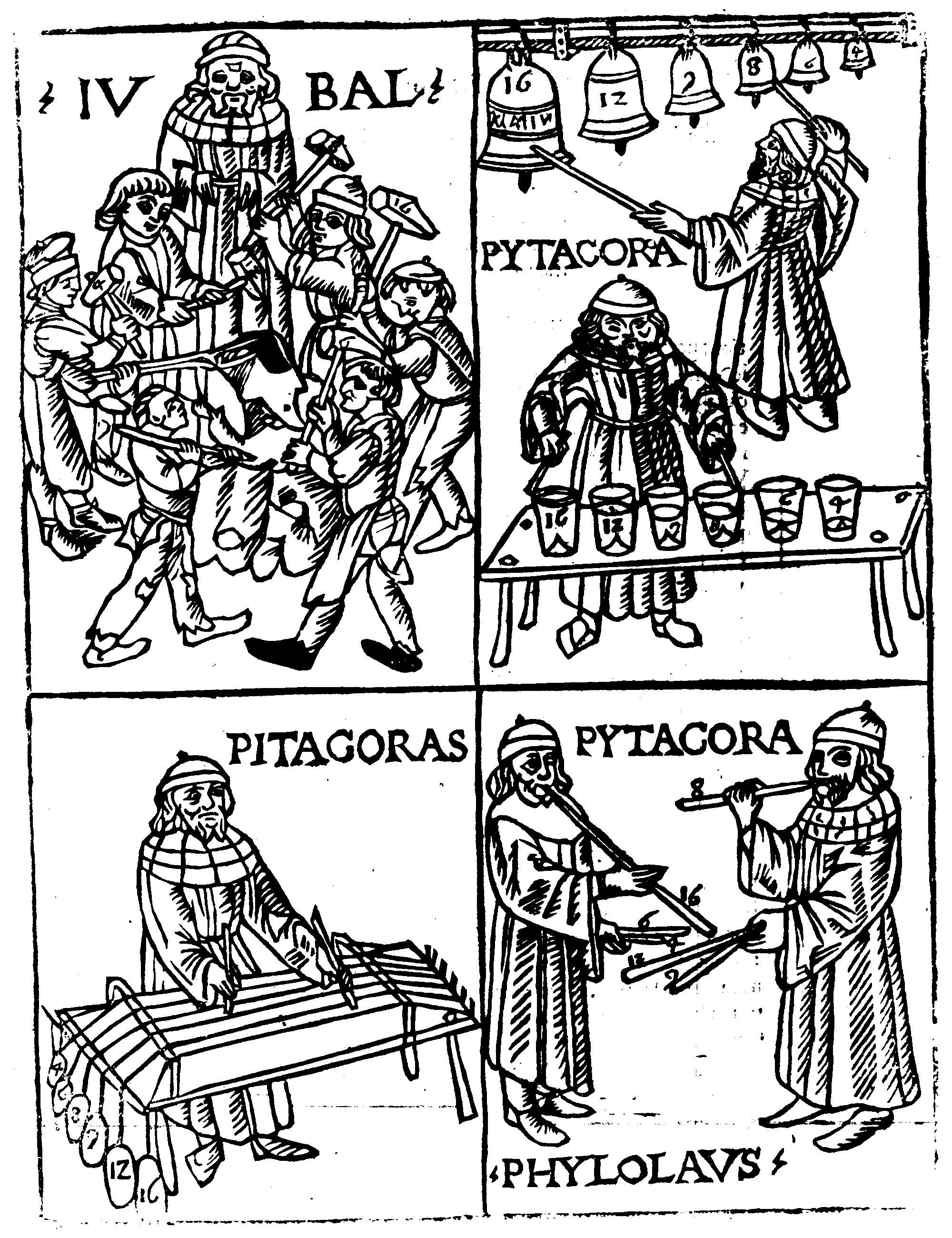
Music theory is the foundation of music composition, performance, and appreciation, encompassing the study of theoretical frameworks, music notation, and analysis of musical structures. With a rich history, music theory continues to shape the music industry, with applications in composition, performance, and music production. Notable figures such as Pythagoras, Johann Sebastian Bach, and Arnold Schoenberg have contributed to the development of music theory, which is used in a wide range of genres, from classical music to jazz and electronic music. Music theory provides a deeper understanding of the music-making process and is essential for musicians, composers, and music enthusiasts alike, with institutions such as the Berklee College of Music and the Juilliard School offering courses and programs in music theory.
Origins & History
Music theory has a diverse and dynamic field, with applications in a wide range of genres and styles, including classical music, jazz, and electronic music.
How It Works
Music theory is based on a range of fundamental concepts, including pitch, rhythm, melody, and harmony. Understanding these concepts is essential for musicians, composers, and music producers, as they provide the foundation for creating and performing music. Music theory also encompasses the study of musical structures, such as chord progressions, scales, and modes, which are used to create a wide range of musical styles and genres. The use of music theory software, such as Ableton Live and Logic Pro, has also become increasingly popular, allowing musicians and producers to create and edit music with greater ease and precision.
Key Facts & Numbers
The study of music theory has been shown to have cognitive benefits, including improved memory, spatial-temporal skills, and language development. Music theory is used in music education, with institutions such as the Berklee College of Music and the Juilliard School offering courses and programs. The use of music theory software and digital audio workstations has become increasingly popular, allowing musicians and producers to create and edit music with greater ease and precision. The rise of electronic music and hip-hop has led to the development of new musical styles and genres, which are often characterized by complex rhythms and harmonies.
Key People & Organizations
Some notable figures in the development of music theory include Pythagoras, Johann Sebastian Bach, and Arnold Schoenberg. Other important figures in music theory include Igor Stravinsky and John Cage. Today, music theory is taught and practiced by a wide range of musicians and composers, including Kendrick Lamar and Beyoncé, who have both incorporated elements of music theory into their music.
Cultural Impact & Influence
Music theory is being used in innovative ways, such as in the development of music-based therapies and treatments. Music theory is also used in music production, with techniques such as audio processing and sound design relying heavily on theoretical concepts.
Current State & Latest Developments
Today, music theory is a dynamic and evolving field, with new technologies and techniques being developed all the time. The use of music theory software and digital audio workstations has become increasingly popular, allowing musicians and producers to create and edit music with greater ease and precision.
Controversies & Debates
There are several controversies and debates in the field of music theory, including the role of music theory in music education, the relevance of traditional music theory to modern music-making, and the impact of technology on the music-making process. Some argue that music theory is essential for musicians and composers, while others argue that it can stifle creativity and limit musical expression.
Future Outlook & Predictions
Music theory has a wide range of practical applications, including music composition, performance, and production. Understanding music theory can help musicians and composers to create more complex and sophisticated music, and can also improve their ability to communicate with other musicians and producers. Music theory is also used in music therapy, with many therapists using musical concepts and structures to help patients with a range of conditions.
Practical Applications
Music theory is related to a wide range of other topics, including music history, musicology, and ethnomusicology. Understanding music theory can also provide insights into other art forms, such as dance and visual art, and can also inform our understanding of cognitive psychology and neuroscience. Some recommended further reading includes The Musician's Way by Gerald Klickstein, Harmony and Theory by Mark Levine, and The Oxford Companion to Music by Alison Latham.
Key Facts
- Category
- culture
- Type
- topic