
Contents
Overview
The origins of UK politics can be traced back to the signing of the Magna Carta in 1215, which laid the groundwork for constitutional governance. Over the centuries, the UK Parliament evolved, influenced by key figures such as Oliver Cromwell and events like the Glorious Revolution of 1688. The establishment of political parties, particularly the Conservative Party and the Labour Party, in the 19th and 20th centuries further defined the political landscape, with figures like Winston Churchill and Clement Attlee playing pivotal roles in shaping modern British politics.
⚙️ How It Works
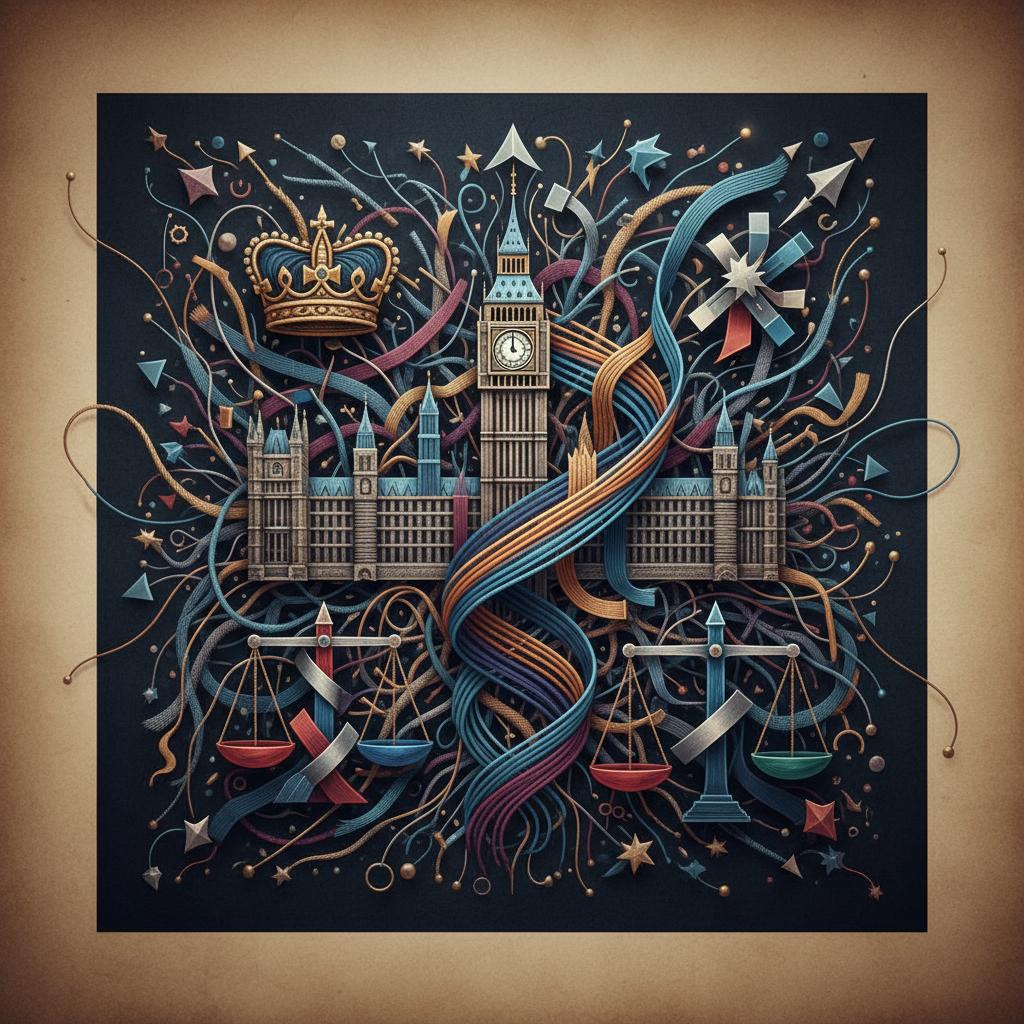
The UK political system operates as a parliamentary democracy, where the Prime Minister, currently Rishi Sunak, leads the government, supported by the Cabinet and the ruling party. The Parliament consists of two houses: the House of Commons, made up of elected Members of Parliament (MPs), and the House of Lords, which includes appointed and hereditary members. This structure allows for a system of checks and balances, with significant legislative power residing in the Commons, while the Lords provide expertise and review legislation. The role of the monarch, currently King Charles III, is largely ceremonial, embodying the constitutional monarchy that characterizes the UK.
🌍 Cultural Impact
UK politics has a profound cultural impact, influencing global politics and public policy. The UK's historical role in the Commonwealth and its relationship with the European Union have shaped international relations. Events like Brexit, which saw the UK vote to leave the EU in 2016, have sparked debates about sovereignty, immigration, and economic policy. Political movements such as the Scottish independence movement and the rise of parties like the Scottish National Party (SNP) reflect the ongoing evolution of national identity within the UK.
🔮 Legacy & Future
Looking to the future, UK politics faces numerous challenges, including climate change, economic inequality, and the ongoing debates surrounding the National Health Service (NHS) and social welfare. The impact of technology on political engagement, particularly through social media platforms like Twitter and Facebook, is reshaping how politicians communicate with the public. As the UK navigates its post-Brexit identity, the political landscape will continue to evolve, influenced by both domestic and international pressures.
Key Facts
- Year
- 1215-present
- Origin
- United Kingdom
- Category
- politics
- Type
- concept
Frequently Asked Questions
What is the structure of the UK government?
The UK government is a parliamentary democracy with a constitutional monarchy, consisting of the Prime Minister, the Cabinet, and two houses of Parliament: the House of Commons and the House of Lords.
Who are the major political parties in the UK?
The major political parties in the UK include the Conservative Party, the Labour Party, the Liberal Democrats, and the Scottish National Party (SNP).
What was Brexit?
Brexit refers to the United Kingdom's decision to leave the European Union, which was decided in a referendum held in June 2016.
What role does the monarchy play in UK politics?
The monarchy in the UK is largely ceremonial, with the monarch performing duties such as the State Opening of Parliament and representing the country at official events.
How does devolution work in the UK?
Devolution refers to the transfer of powers from the UK Parliament to the governments of Scotland, Wales, and Northern Ireland, allowing them to make decisions on certain local matters.