
Contents
Overview
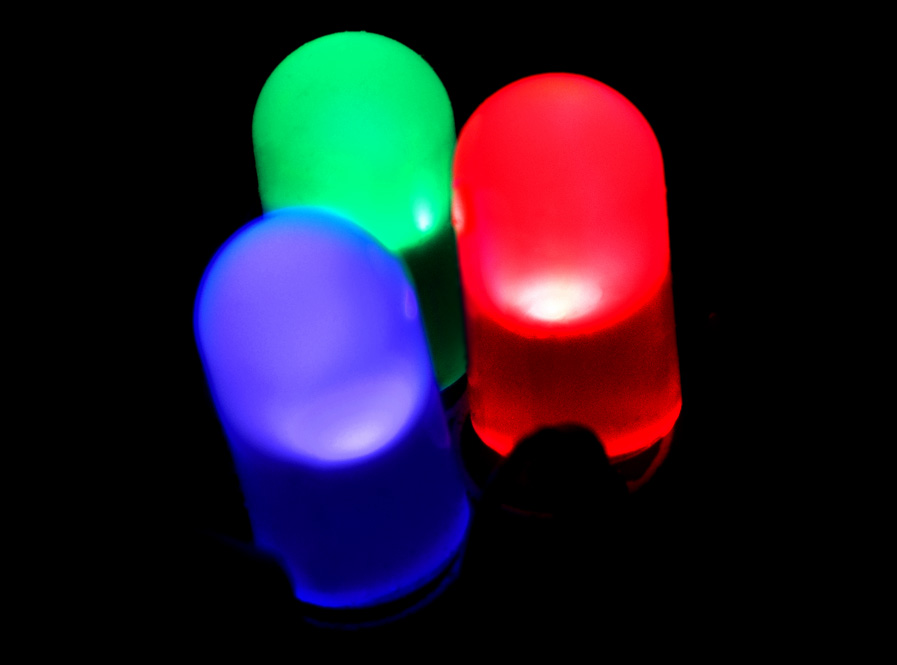
Light-emitting diodes (LEDs) have come a long way since their inception, with various types emerging to cater to different applications and requirements. From infrared LEDs used in remote-control circuits to visible LEDs used in displays and lighting, the range of LED diodes has expanded significantly. With advancements in technology, LEDs are now available in a wide range of colors, including red, orange, yellow, green, blue, and white. LEDs are used in various industries, including automotive, consumer electronics, and healthcare, and are expected to play a crucial role in the development of Internet of Things (IoT) devices and smart cities.
Origins & History
The first visible-light LEDs were of low intensity and limited to red. In the 1970s, LEDs began to be used in displays and indicator lamps, replacing small incandescent bulbs. Today, LEDs are used in a wide range of applications, including smartphones, tablets, and laptops.
How It Works
LEDs work by using a semiconductor to emit light when current flows through it. Electrons in the semiconductor recombine with electron holes, thereby releasing energy in the form of photons. The color of the light is determined by the energy required for electrons to cross the band gap of the semiconductor. White light is obtained by using multiple semiconductors or a layer of light-emitting phosphor on the semiconductor device. LEDs are made up of several layers, including a substrate, an epitaxial layer, and a contact layer. The substrate provides the base for the LED, while the epitaxial layer contains the semiconductor material. The contact layer provides the connection for the electrical current. LEDs are also used in wearable technology, such as smartwatches and fitness trackers.
Key Facts & Numbers
LEDs are used in various industries, including automotive, consumer electronics, and healthcare. The LED industry is closely related to the semiconductors industry. The use of LEDs in renewable energy systems is becoming increasingly popular.
Key People & Organizations
The LED industry is closely related to the semiconductors industry, with many companies playing a crucial role in the development of LED technology. The use of LEDs in automotive lighting is expected to increase. The use of LEDs in electric vehicles is becoming increasingly popular.
Cultural Impact & Influence
LEDs have had a significant impact on society, enabling the development of energy-efficient lighting solutions and reducing energy consumption. LEDs are used in a wide range of applications, including automotive lighting, consumer electronics, and healthcare. The use of LEDs in displays and indicator lamps has improved safety and efficiency.
Current State & Latest Developments
The use of LEDs in automotive lighting is expected to increase. The use of LEDs in electric vehicles is becoming increasingly popular.
Controversies & Debates
One of the main controversies surrounding LEDs is the environmental impact of their production. The use of rare earth metals and other materials in LED production has raised concerns about the sustainability of the industry. Additionally, the disposal of LEDs at the end of their lifespan has also raised concerns about electronic waste. Some critics argue that the benefits of LEDs are outweighed by the environmental costs of their production. However, proponents of LEDs argue that the energy efficiency and long lifespan of LEDs make them a more sustainable option than traditional lighting solutions.
Future Outlook & Predictions
The future of LEDs looks bright, with the use of LEDs in automotive lighting and electric vehicles expected to increase. The LED industry is closely related to the semiconductors industry, and the use of LEDs in renewable energy systems is becoming increasingly popular.
Practical Applications
LEDs are used in a wide range of applications, including automotive lighting, consumer electronics, and healthcare. The use of LEDs in displays and indicator lamps has improved safety and efficiency. LEDs are also used in lighting solutions, such as LED bulbs and LED strips.
Key Facts
- Category
- technology
- Type
- technology