
Contents
- 🎯 Introduction to Herpes
- ⚙️ Types of Herpes Infections
- 📊 Epidemiology and Statistics
- 👥 Key People and Organizations
- 🌍 Cultural Impact and Stigma
- ⚡ Current Research and Developments
- 🤔 Controversies and Debates
- 🔮 Future Outlook and Prevention
- 💡 Treatment and Management Options
- 📚 Related Topics and Resources
- Frequently Asked Questions
- References
- Related Topics
Overview
Herpes is a viral infection caused by the herpes simplex virus. According to the World Health Organization (WHO) and the Centers for Disease Control and Prevention (CDC), herpes is a significant health issue. With proper understanding and management, individuals can reduce the risk of transmission and alleviate symptoms, improving their quality of life. The CDC and the National Institutes of Health (NIH) are among the organizations working to combat herpes through education, research, and community outreach.
🎯 Introduction to Herpes
Herpes is an ancient disease, with evidence of its existence dating back to the time of the Greek physician Hippocrates. The word 'herpes' comes from the Greek word 'herpein,' meaning 'to creep,' which describes the spreading nature of the virus. Herpes simplex virus type 1 (HSV-1) primarily causes oral herpes, while herpes simplex virus type 2 (HSV-2) primarily causes genital herpes.
⚙️ Types of Herpes Infections
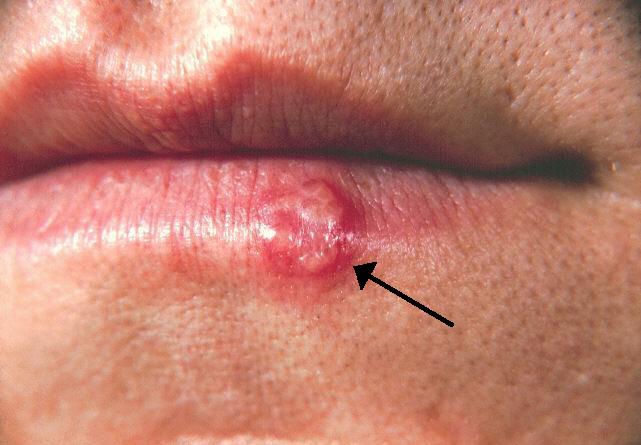
Oral herpes affects the face or mouth, causing small blisters in groups. Genital herpes involves the genitalia, causing blisters, ulcers, and discomfort. Other forms of herpes include herpetic whitlow, which affects the fingers, and herpes zoster, also known as shingles, which affects the nerves.
📊 Epidemiology and Statistics
The National Institutes of Health (NIH) is working to develop new treatments and prevention methods for herpes. Researchers are working to develop a herpes vaccine, with several candidates currently in clinical trials. The use of antiviral medications, such as Valtrex and Acyclovir, can help reduce the severity and frequency of outbreaks.
👥 Key People and Organizations
Key people and organizations involved in herpes research and education include the CDC, WHO, NIH, and the American Sexually Transmitted Diseases Association (ASTDA). These organizations work to raise awareness about herpes, develop new treatments, and improve prevention methods.
🌍 Cultural Impact and Stigma
Herpes has a significant cultural impact, with many people experiencing stigma and shame due to the infection. The cultural stigma surrounding herpes can make it difficult for people to discuss their symptoms and seek treatment, highlighting the need for education and awareness.
⚡ Current Research and Developments
Current research and developments in herpes treatment and prevention include the development of new antiviral medications and the use of platelet-rich plasma (PRP) therapy. The Food and Drug Administration (FDA) has warned against the use of certain alternative therapies for herpes.
🤔 Controversies and Debates
Controversies and debates surrounding herpes include the use of antiviral medications and the development of a herpes vaccine. The CDC and WHO are working to develop new guidelines and recommendations for herpes treatment and prevention.
🔮 Future Outlook and Prevention
The future outlook for herpes treatment and prevention is promising, with new treatments and prevention methods being developed. Education and awareness are key to reducing the stigma surrounding herpes and improving treatment outcomes.
💡 Treatment and Management Options
Treatment and management options for herpes include antiviral medications, such as Valtrex and Acyclovir, which can help reduce the severity and frequency of outbreaks. Other options include pain relievers and topical creams to help manage symptoms. Lifestyle changes, such as reducing stress and improving sleep, can also help reduce the frequency and severity of outbreaks. The Mayo Clinic and Cleveland Clinic provide resources and guidance on herpes treatment and management.
Key Facts
- Year
- 1960s
- Origin
- Global
- Category
- science
- Type
- concept
Frequently Asked Questions
What are the symptoms of herpes?
The symptoms of herpes can vary depending on the type of herpes. Oral herpes can cause small blisters in groups, often called cold sores or fever blisters, while genital herpes can cause blisters, ulcers, and discomfort. Other symptoms can include tingling or shooting pains, fever, and swollen lymph nodes.