
Contents
Overview
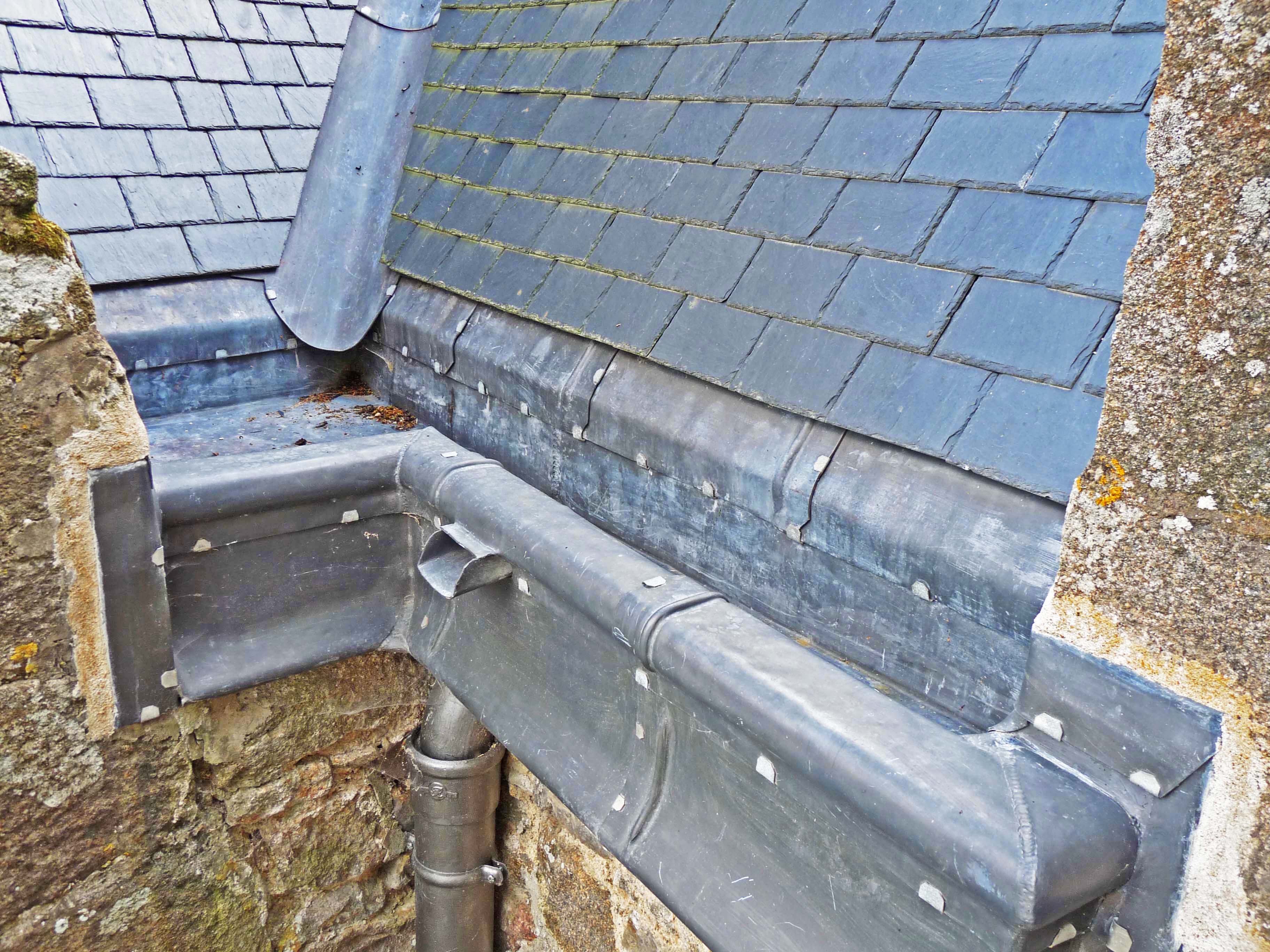
Gutters are a crucial component of a building's water discharge system, designed to collect and redirect rainwater away from the structure. With various types of gutters available, each with its unique characteristics, materials, and advantages, selecting the right one is essential for ensuring the integrity and longevity of a building. From traditional vinyl gutters to modern stainless steel and copper gutters, this article explores the different types of gutters, their applications, and the factors to consider when choosing a gutter system. Clogged gutters are a leading cause of water damage in homes, highlighting the importance of regular gutter maintenance.
🌂 Introduction to Gutters
Gutters have been an essential component of building construction for centuries, with early forms of guttering dating back to ancient civilizations such as the Romans and Greeks. The word 'gutter' itself derives from the Latin 'gutta', meaning 'a droplet'. Today, gutters are made from a variety of materials, including vinyl, aluminum, stainless steel, and copper, each with its own set of advantages and disadvantages. For instance, vinyl gutters are a popular choice due to their affordability and ease of installation, while stainless steel gutters offer superior durability and resistance to corrosion.
🏗️ Types of Gutters
There are several types of gutters available, including K-style, half-round, and fascia gutters. K-style gutters, also known as ogee gutters, are the most common type of gutter used in residential construction. They are characterized by their flat bottom and curved top, which allows for efficient water flow and easy installation. Half-round gutters, on the other hand, are typically used on historic buildings and are known for their decorative appeal. Fascia gutters are designed to be mounted directly to the fascia board, providing a sleek and modern appearance.
💧 How Gutters Work
Gutters work by collecting rainwater from the roof and redirecting it away from the building through a system of downspouts and elbows. The water is then discharged into a suitable disposal site, such as a storm drain or a rain barrel. Properly functioning gutters are essential for preventing water damage, foundation problems, and other issues that can arise from uncontrolled water flow. Clogged gutters are a leading cause of water damage in homes, highlighting the importance of regular gutter maintenance.
📊 Key Facts and Numbers
The gutter industry is a significant market, with various manufacturers and suppliers offering a range of gutter products and services, including installation, maintenance, and repair. Companies like Home Depot and Lowe's provide a wide selection of gutter materials and accessories, making it easier for homeowners and contractors to find the right products for their needs.
👥 Key Manufacturers and Suppliers
Gutters have played a significant role in the cultural and historical development of building construction. In ancient times, gutters were often decorated with intricate carvings and designs, reflecting the wealth and status of the building's owner. Today, gutters are a ubiquitous feature of modern buildings, with many architects and designers incorporating them into their designs as a functional and aesthetic element.
🌍 Cultural and Historical Significance
The gutter industry is constantly evolving, with new technologies and materials being developed to improve the efficiency and durability of gutter systems. One of the current trends in the industry is the use of green gutters, which are made from sustainable materials and designed to minimize environmental impact. Another trend is the use of smart gutters, which are equipped with sensors and other technologies to monitor and control water flow.
⚡ Current Trends and Developments
Despite their importance, gutters are often overlooked and undermaintained, leading to a range of problems and controversies. One of the main debates in the industry is the use of vinyl gutters versus metal gutters. While vinyl gutters are often less expensive and easier to install, they can be prone to cracking and fading over time. Metal gutters, on the other hand, are more durable and resistant to corrosion, but can be more expensive and require more maintenance.
🤔 Controversies and Debates
As the gutter industry continues to evolve, it is likely that new technologies and materials will be developed to improve the efficiency and durability of gutter systems. The Environmental Protection Agency provides guidelines for the proper installation and maintenance of gutter systems to minimize their environmental impact.
🔮 Future Outlook and Predictions
Gutters have a range of practical applications, from residential construction to commercial and industrial buildings. Properly maintained gutters can help to prevent water damage, foundation problems, and other issues that can arise from uncontrolled water flow. In addition, gutters can be used to collect and harvest rainwater, which can be used for irrigation, toilet flushing, and other non-potable purposes.
Key Facts
- Category
- technology
- Type
- topic