
Contents
- 🎯 Introduction to Tube Feeding
- ⚙️ Types of Feeding Tubes
- 📊 Benefits and Risks of Tube Feeding
- 👥 Key Players in Tube Feeding
- 🌍 Global Impact of Tube Feeding
- ⚡ Current Research and Developments
- 🤔 Controversies and Debates
- 🔮 Future Outlook and Predictions
- 💡 Practical Applications and Management
- 📚 Related Topics and Deeper Reading
- Frequently Asked Questions
- References
- Related Topics
Overview
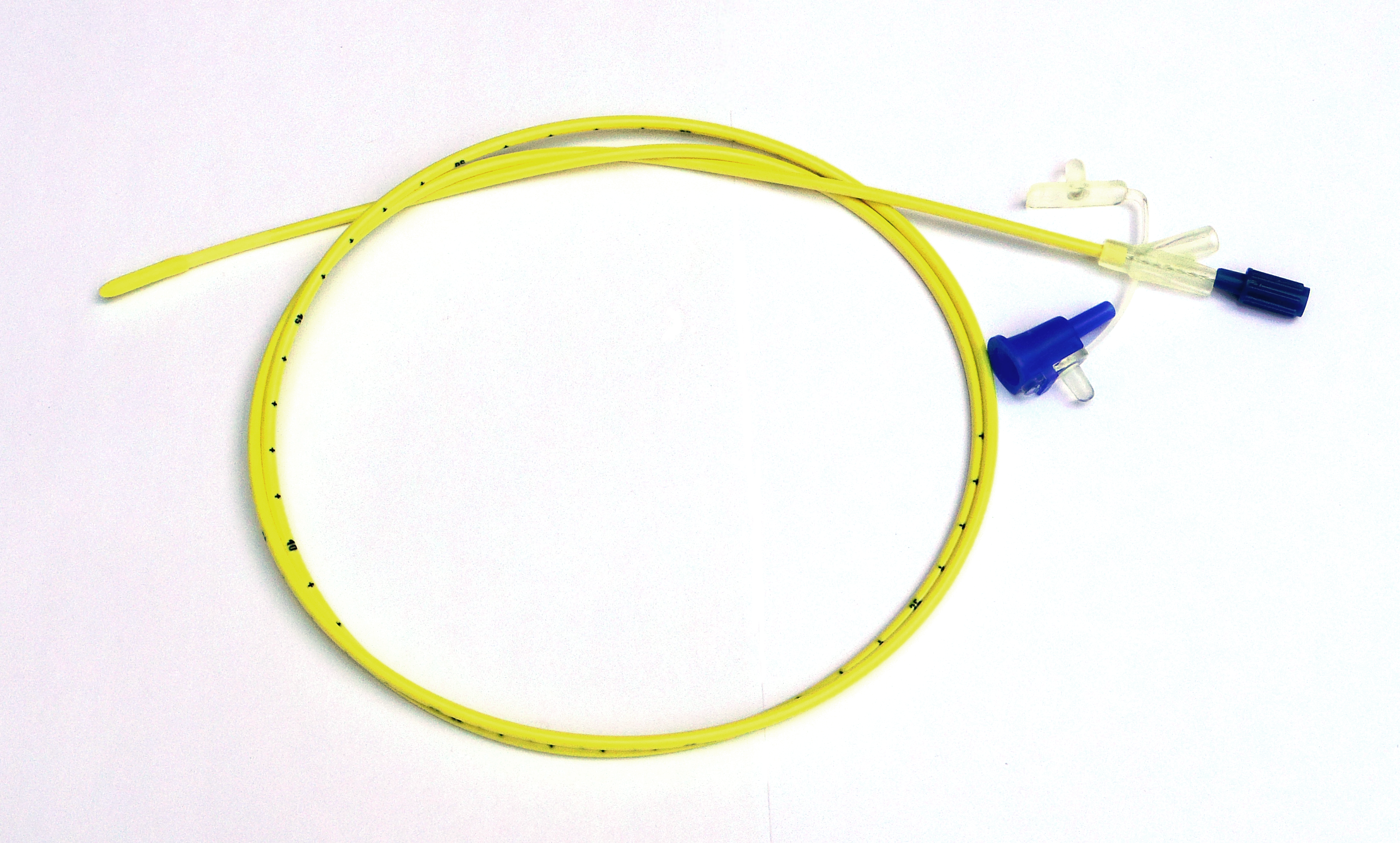
Tube feeding, also known as enteral feeding, is a medical procedure that involves delivering nutrition directly into the gastrointestinal tract through a feeding tube. This method is used for individuals who are unable to consume food orally, either due to a medical condition, injury, or disability. Evidence of tube feeding dates back to ancient civilizations such as the Egyptians and Greeks. The use of feeding tubes has become a common practice in hospitals and healthcare facilities, with various types of tubes available, including nasogastric, gastrostomy, and jejunostomy tubes. The procedure involves inserting a tube through the nose, mouth, or directly into the stomach or small intestine, and then connecting it to a feeding pump or bag.
🎯 Introduction to Tube Feeding
Introduction to Tube Feeding — Evidence of tube feeding dates back to ancient civilizations such as the Egyptians and Greeks. Today, tube feeding is a common practice in hospitals and healthcare facilities, with various types of tubes available, including nasogastric, gastrostomy, and jejunostomy tubes. The procedure involves inserting a tube through the nose, mouth, or directly into the stomach or small intestine, and then connecting it to a feeding pump or bag.
⚙️ Types of Feeding Tubes
Types of Feeding Tubes — Feeding tubes are classified based on the site of insertion and intended use. Nasogastric tubes are inserted through the nose and into the stomach, while gastrostomy tubes are inserted directly into the stomach through the abdominal wall. Jejunostomy tubes, on the other hand, are inserted into the small intestine. The choice of tube depends on the individual's medical condition, the duration of tube feeding, and the level of care required.
📊 Benefits and Risks of Tube Feeding
Benefits and Risks of Tube Feeding — Tube feeding provides essential nutrients to individuals who are unable to consume food orally, improving their overall health and well-being. However, it also carries risks such as tube occlusion, infection, and aspiration pneumonia. Healthcare professionals must carefully monitor patients and follow proper tube feeding protocols to minimize these risks.
👥 Key Players in Tube Feeding
Key Players in Tube Feeding — Several organizations and individuals have played a crucial role in the development and advancement of tube feeding. Companies like Abbott Nutrition and Nestle Health Science have developed innovative feeding tube products. Researchers at Harvard University have also made significant contributions to the field, including the development of new feeding tube materials and technologies.
🌍 Global Impact of Tube Feeding
Global Impact of Tube Feeding — Tube feeding has a significant impact on healthcare systems worldwide, with many people relying on this method for nutrition. The use of feeding tubes has also raised ethical concerns, particularly in cases where patients are unable to make informed decisions about their care.
⚡ Current Research and Developments
Current Research and Developments — Researchers are continually working to improve the safety and efficacy of tube feeding. New technologies, such as smart feeding tubes and robotic feeding systems, are being developed to reduce the risk of complications and improve patient outcomes.
🤔 Controversies and Debates
Controversies and Debates — The use of feeding tubes has sparked controversy and debate, particularly in cases where patients are unable to make informed decisions about their care. Some argue that feeding tubes can improve the quality of life for patients with severe disabilities or illnesses, while others believe that they can prolong suffering and reduce dignity.
🔮 Future Outlook and Predictions
Future Outlook and Predictions — The future of tube feeding is likely to involve the development of more advanced technologies and innovative products. The use of artificial intelligence and machine learning may improve the safety and efficacy of tube feeding, while new materials and designs may reduce the risk of complications.
💡 Practical Applications and Management
Practical Applications and Management — Tube feeding requires careful management and monitoring to minimize the risk of complications. Healthcare professionals must follow proper protocols for tube insertion, feeding, and maintenance, and patients must be closely monitored for signs of infection, occlusion, or other complications.
Key Facts
- Origin
- Global
- Category
- science
- Type
- concept
Frequently Asked Questions
What is tube feeding?
Tube feeding is a medical procedure that involves delivering nutrition directly into the gastrointestinal tract through a feeding tube. This method is used for individuals who are unable to consume food orally, either due to a medical condition, injury, or disability.
What are the benefits and risks of tube feeding?
The benefits of tube feeding include providing essential nutrients to individuals who are unable to consume food orally, improving their overall health and well-being. However, it also carries risks such as tube occlusion, infection, and aspiration pneumonia.