
Contents
- 🏛️ Introduction to the Controversy
- 📊 The Cost of Renovation
- 🏗️ Construction Plans and Timeline
- 🚫 The Judge's Ruling
- 🤝 Congressional Approval
- 📝 Historical Precedents
- 👥 Public Reaction
- 📰 Media Coverage
- 🔍 Investigation and Transparency
- 🕊️ Future of the Project
- 👀 Conclusion and Implications
- Frequently Asked Questions
- Related Topics
Overview
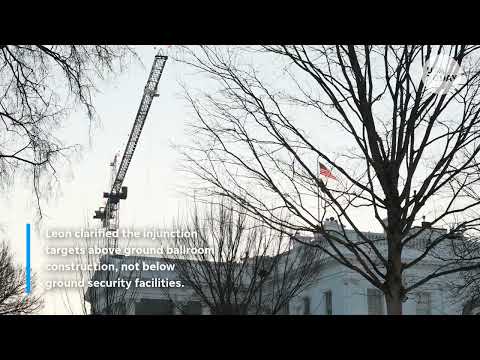
A federal judge has ordered the construction of a new ballroom in the White House to halt immediately, unless it receives explicit approval from Congress. The project, which was commissioned by former President Donald Trump, has been the subject of controversy and criticism from lawmakers and preservationists. The judge's ruling cites concerns over the potential destruction of historic features and the lack of transparency in the project's planning and funding. The White House has not commented on the ruling, but it is expected to appeal the decision. The construction project has been valued at over $400 million, with some estimates as high as $600 million. The judge's decision has been seen as a major setback for the Trump administration's efforts to leave its mark on the White House, and has sparked renewed debate over the role of Congress in overseeing executive branch projects.
🏛️ Introduction to the Controversy
The construction of the White House Ballroom, a project initiated by the Trump Administration, has been a topic of controversy since its inception. The project, which aimed to renovate the historic ballroom, was met with criticism from various groups, including preservationists and lawmakers. As reported by The New York Times, the project's estimated cost was around $400 million, sparking debates about the allocation of funds. The White House defended the project, stating that it was necessary to maintain the building's historic integrity. However, opponents argued that the funds could be better spent on other pressing issues, such as infrastructure development.
📊 The Cost of Renovation
The cost of the renovation was a significant point of contention, with many questioning the necessity of such an expensive project. According to CNBC, the estimated cost of the project was higher than initially anticipated, with some estimates suggesting that it could exceed $500 million. The General Services Administration (GSA) was responsible for overseeing the project, but many lawmakers felt that the agency had not provided sufficient transparency regarding the project's budget. As noted by Politico, the GSA had faced criticism in the past for its handling of large-scale construction projects, including the Trump Tower renovation. The federal budget for the project was a topic of debate, with some arguing that it was a waste of taxpayer dollars.
🏗️ Construction Plans and Timeline
The construction plans and timeline for the project were also subject to scrutiny. The White House Historical Association had expressed concerns about the potential impact of the renovation on the building's historic character. As reported by Architectural Digest, the project's design team had proposed significant changes to the ballroom's layout and aesthetic. The National Park Service had also raised concerns about the potential environmental impact of the project. The Environmental Protection Agency (EPA) had been involved in the project's planning stages, but some critics felt that the agency had not done enough to mitigate the project's environmental risks.
🚫 The Judge's Ruling
The judge's ruling to halt the construction of the White House Ballroom was a significant setback for the Trump Administration. As noted by The Washington Post, the ruling was based on the argument that the project required congressional approval, which had not been obtained. The judicial branch had intervened in the project, citing concerns about the separation of powers and the potential for executive overreach. The congressional oversight committee had been investigating the project, and the ruling was seen as a victory for lawmakers who had been critical of the project. The executive branch had argued that the project was necessary for national security reasons, but the judge disagreed.
🤝 Congressional Approval
The requirement for congressional approval was a major point of contention in the debate over the White House Ballroom construction project. As reported by NPR, lawmakers had been critical of the project from the outset, arguing that it was a waste of taxpayer dollars. The House of Representatives had passed a bill to block funding for the project, but it was unclear whether the Senate would follow suit. The Congressional Budget Office (CBO) had estimated that the project would cost significantly more than initially anticipated, which further fueled the debate. The federal funding for the project was a topic of discussion, with some arguing that it was a misuse of taxpayer dollars.
📝 Historical Precedents
Historical precedents played a significant role in the debate over the White House Ballroom construction project. As noted by Smithsonian Magazine, the White House had undergone numerous renovations and expansions throughout its history. The Theodore Roosevelt administration had overseen a significant renovation of the White House, which included the addition of the West Wing. The Franklin D. Roosevelt administration had also made significant changes to the building, including the addition of the East Wing. The White House Museum had exhibits on the history of the building, including its various renovations and expansions.
👥 Public Reaction
Public reaction to the White House Ballroom construction project was mixed, with some supporting the project and others opposing it. As reported by HuffPost, many Americans felt that the project was a waste of taxpayer dollars, particularly given the country's other pressing needs. The White House Correspondents' Association had expressed concerns about the potential impact of the project on the press corps. The public opinion on the project was divided, with some arguing that it was necessary for national security reasons. The social media platforms were filled with discussions about the project, with many using the hashtag WhiteHouseBallroom.
📰 Media Coverage
Media coverage of the White House Ballroom construction project was extensive, with many outlets weighing in on the controversy. As noted by Media Matters, the project had been the subject of numerous editorials and opinion pieces. The New York Post had been critical of the project, arguing that it was a waste of taxpayer dollars. The Wall Street Journal had also raised concerns about the project's potential impact on the national debt. The CNN and Fox News had provided extensive coverage of the project, including interviews with lawmakers and experts.
🔍 Investigation and Transparency
The investigation into the White House Ballroom construction project was ongoing, with many questions still unanswered. As reported by ProPublica, the project had been the subject of numerous Freedom of Information Act (FOIA) requests. The Government Accountability Office (GAO) had launched an investigation into the project, citing concerns about the potential for waste and abuse. The Federal Bureau of Investigation (FBI) had also been involved in the investigation, although the details of their involvement were not publicly known. The transparency of the project was a topic of discussion, with many arguing that the Trump Administration had not provided sufficient information about the project's budget and timeline.
🕊️ Future of the Project
The future of the White House Ballroom construction project was uncertain, with many possible outcomes. As noted by Axios, the project could be revived if Congress were to approve funding for it. However, many lawmakers had expressed opposition to the project, and it was unclear whether they would be willing to allocate funds for it. The White House had argued that the project was necessary for national security reasons, but many critics felt that this was not a sufficient justification for the project's cost. The national security implications of the project were a topic of discussion, with some arguing that it was necessary to protect the country's interests.
👀 Conclusion and Implications
In conclusion, the White House Ballroom construction project was a highly controversial initiative that sparked debates about the allocation of funds, the role of the executive branch, and the importance of preserving historic buildings. As reported by The Hill, the project had been the subject of numerous lawsuits and investigations, and its future was uncertain. The Trump Administration had argued that the project was necessary for national security reasons, but many critics felt that this was not a sufficient justification for the project's cost. The congressional oversight committee had been investigating the project, and the ruling to halt construction was seen as a victory for lawmakers who had been critical of the project. The White House would need to provide more transparency and justification for the project if it were to move forward.
Key Facts
- Year
- 2020
- Origin
- Washington D.C., USA
- Category
- Politics
- Type
- Government Institution
Frequently Asked Questions
What was the estimated cost of the White House Ballroom construction project?
The estimated cost of the project was around $400 million, although some estimates suggested that it could exceed $500 million. The General Services Administration (GSA) was responsible for overseeing the project, but many lawmakers felt that the agency had not provided sufficient transparency regarding the project's budget. As noted by CNBC, the project's cost was a significant point of contention, with many questioning the necessity of such an expensive project.
Why was the construction of the White House Ballroom halted?
The construction of the White House Ballroom was halted due to a ruling by a judge that the project required congressional approval, which had not been obtained. The judicial branch had intervened in the project, citing concerns about the separation of powers and the potential for executive overreach. The congressional oversight committee had been investigating the project, and the ruling was seen as a victory for lawmakers who had been critical of the project.
What were the historical precedents for the White House Ballroom construction project?
The White House had undergone numerous renovations and expansions throughout its history, including the addition of the West Wing during the Theodore Roosevelt administration and the addition of the East Wing during the Franklin D. Roosevelt administration. The White House Museum had exhibits on the history of the building, including its various renovations and expansions. As noted by Smithsonian Magazine, the White House had a long history of renovations and expansions, and the current project was not unprecedented.
What was the public reaction to the White House Ballroom construction project?
The public reaction to the project was mixed, with some supporting the project and others opposing it. As reported by HuffPost, many Americans felt that the project was a waste of taxpayer dollars, particularly given the country's other pressing needs. The White House Correspondents' Association had expressed concerns about the potential impact of the project on the press corps. The public opinion on the project was divided, with some arguing that it was necessary for national security reasons.
What was the role of the media in covering the White House Ballroom construction project?
The media played a significant role in covering the project, with many outlets weighing in on the controversy. As noted by Media Matters, the project had been the subject of numerous editorials and opinion pieces. The New York Post had been critical of the project, arguing that it was a waste of taxpayer dollars. The Wall Street Journal had also raised concerns about the project's potential impact on the national debt.
What was the investigation into the White House Ballroom construction project?
The investigation into the project was ongoing, with many questions still unanswered. As reported by ProPublica, the project had been the subject of numerous Freedom of Information Act (FOIA) requests. The Government Accountability Office (GAO) had launched an investigation into the project, citing concerns about the potential for waste and abuse. The Federal Bureau of Investigation (FBI) had also been involved in the investigation, although the details of their involvement were not publicly known.
What is the future of the White House Ballroom construction project?
The future of the project is uncertain, with many possible outcomes. As noted by Axios, the project could be revived if Congress were to approve funding for it. However, many lawmakers had expressed opposition to the project, and it was unclear whether they would be willing to allocate funds for it. The White House had argued that the project was necessary for national security reasons, but many critics felt that this was not a sufficient justification for the project's cost.