
Contents
Overview
The origins of trotting as a distinct gait are as old as the domestication of the horse, with early humans likely observing and then selectively breeding horses for efficient locomotion. However, trotting as a formalized sport, particularly harness racing, gained significant traction in the 19th century. The development of the sulky and the breeding of specialized Standardbred horses in the United States during the 1840s were pivotal. Figures like Hambletonian 10 became foundational sires, their lineage meticulously tracked and celebrated for their trotting prowess. Early trotting clubs and tracks, such as the New York Trotting Club, codified rules and established the competitive framework that would propel trotting into a global phenomenon, influencing equestrian culture across continents.
⚙️ How It Works
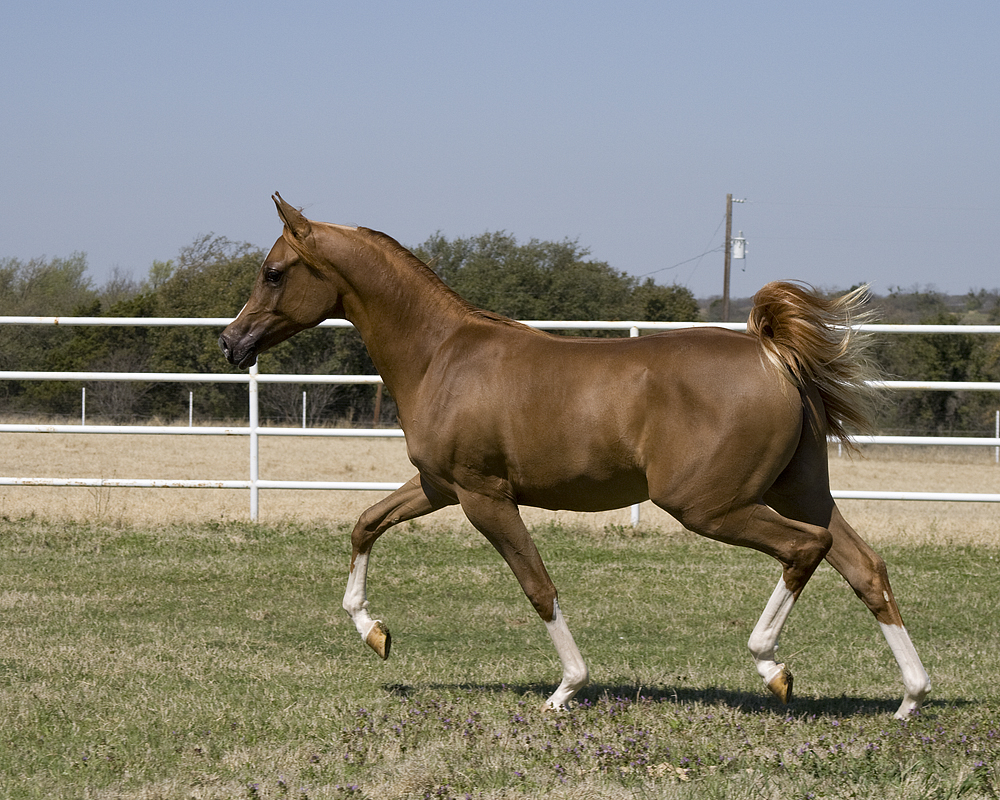
At its core, trotting is a diagonal gait, meaning the horse moves its legs in diagonal pairs: the left hind leg and right foreleg move forward together, followed by the right hind leg and left foreleg. This is distinct from the pacing gait, where legs on the same side move together. A crucial element of the trot is the moment of suspension, a brief period where all four feet are off the ground between each diagonal beat. This creates a rhythmic, rolling motion. The horse's spine undulates, facilitating this synchronized limb movement. Unlike the gallop, the trot is inherently more stable, requiring less dynamic adjustment from the horse's head and neck for balance, making it an efficient and sustainable gait for sustained speed over distances, as observed in equine biomechanics studies.
📊 Key Facts & Numbers
The average trotting speed hovers around 13 km/h (8.1 mph), but this can vary dramatically. A slow trot, often called a jog, might be as slow as 8 km/h (5 mph). In competitive harness racing, speeds are significantly higher. This highlights the extreme performance potential of trained Standardbreds.
👥 Key People & Organizations
Key figures in trotting history include Hambletonian 10, the progenitor of the Standardbred breed, whose bloodline dominates modern racing. Trainers and drivers have achieved legendary status through numerous victories and innovations in training and race strategy. Organizations like the United States Trotting Association (USTA) and the International Trotting Federation (though its formal structure has evolved) play crucial roles in regulating the sport, maintaining breed registries, and promoting trotting worldwide. These entities ensure the integrity and continued development of trotting as both a sport and a cultural practice.
🌍 Cultural Impact & Influence
Trotting has deeply embedded itself into equestrian culture, extending far beyond the racetrack. It's a fundamental gait taught to most riding horses, forming the basis of equestrian dressage and eventing disciplines, albeit at different speeds and with varying emphasis. The image of a trotting horse is iconic in art, literature, and film, often symbolizing grace, power, and freedom. The economic impact is substantial, with the global market for equine products and services related to trotting, including breeding, training, and racing, estimated to be in the billions of dollars annually. The sport also fosters strong community bonds among owners, trainers, drivers, and fans, creating a vibrant subculture.
⚡ Current State & Latest Developments
Trotting has a global presence, with major racing circuits in North America, Europe (particularly Scandinavia and France), Australia, and New Zealand. Innovations in equine genetics and equine nutrition are continually pushing performance limits. Advances in equine technology, such as improved sulky designs and advanced training equipment, are also shaping the sport. While facing competition from other equestrian disciplines and forms of entertainment, trotting continues to attract significant fan bases and investment, with ongoing efforts to modernize race presentation and engage younger audiences through digital platforms like YouTube and specialized racing networks.
🤔 Controversies & Debates
Controversies surrounding trotting often center on animal welfare. Concerns about the use of whips, the potential for injuries during high-speed racing, and the ethics of breeding for extreme performance are frequently debated. The use of performance-enhancing drugs, though strictly regulated by bodies like the Horseracing Integrity and Safety Authority (HISA) in the US, remains a persistent issue. Furthermore, the economic viability of smaller tracks and the impact of gambling revenue on the sport's integrity are ongoing discussions within the equine industry. The debate over whether trotting is a sustainable and ethical sport for the future is a significant point of contention.
🔮 Future Outlook & Predictions
The future of trotting likely involves a greater emphasis on animal welfare and sustainability. Expect continued advancements in equine veterinary medicine to improve injury prevention and recovery. The integration of artificial intelligence in training and performance analysis could offer new insights. Furthermore, trotting may see increased diversification, with greater focus on recreational trotting and adaptive programs for riders with disabilities. Regulatory bodies will likely face pressure to adopt even stricter welfare standards, potentially influencing breeding practices and race formats. The sport's ability to adapt to changing societal values regarding animal use will be critical for its long-term survival and growth.
💡 Practical Applications
The primary practical application of trotting is in harness racing, a competitive sport where a horse pulls a driver in a sulky. Beyond this, trotting is a fundamental gait for general riding and training. Many equestrian schools teach trotting as a core skill for riders, essential for control and communication with the horse. It's also utilized in equestrian therapy programs, where the rhythmic motion of a trotting horse can have therapeutic benefits for individuals with physical or developmental challenges. The gait's efficiency makes it suitable for various equestrian activities, from trail riding to more formal disciplines, demonstrating its broad utility.
Key Facts
- Category
- culture
- Type
- concept