
Contents
Overview
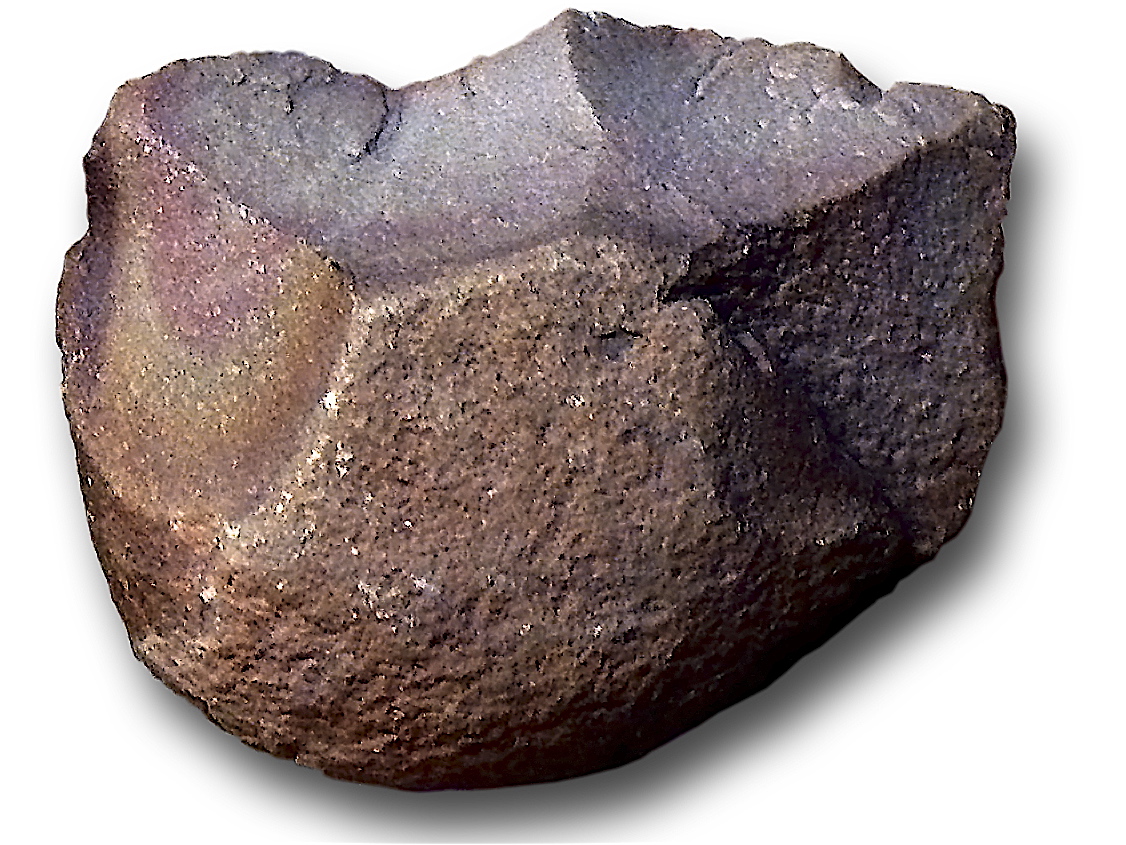
The genesis of the tooling industry lies in the earliest human endeavors to manipulate the environment. The Oldowan industry represents an early systematic creation of tools by hominins, primarily simple chipped stones used for cutting and scraping. These rudimentary implements, discovered in sites like Olduvai Gorge by Louis Leakey in the 1930s, laid the groundwork for future advancements. The subsequent Acheulean industry, characterized by more refined handaxes, marked a significant leap in toolmaking sophistication, associated with Homo erectus. For millennia, toolmaking remained a craft passed down through generations, evolving slowly with materials like bone, wood, and eventually, early metallurgy, culminating in the specialized metalworking that would define the industrial age.
⚙️ How It Works
At its heart, the modern tooling industry involves the creation of devices that enable other processes. This includes everything from hand tools like hammers and wrenches to complex industrial machinery such as CNC machines, injection molding presses, and stamping dies. The process often begins with raw materials like steel, carbide, or advanced composites, which are then shaped through subtractive manufacturing (milling, grinding) or additive manufacturing (3D printing). Software plays an increasingly critical role, with CAD and CAM software dictating the design and operation of automated machinery, ensuring repeatability and accuracy in mass production.
📊 Key Facts & Numbers
The global tooling industry is a colossal economic engine. While market valuations fluctuate, the sector remains a multi-billion dollar pillar of global manufacturing. The industry supports thousands of independent tool, die, and mold makers, employing a vast workforce of skilled workers and generating significant annual revenue. The automotive sector is a primary driver of tooling demand, alongside aerospace and medical devices. The durability and precision engineered into these critical components allow industrial dies to withstand high-volume production cycles, underscoring their importance in the global supply chain.
👥 Key People & Organizations
Pioneers like Henry Ford revolutionized mass production through standardized tooling, while figures like Eli Whitney championed the concept of interchangeable parts, fundamentally altering manufacturing. In the realm of industrial machinery, companies like Haas Automation have become synonymous with accessible CNC technology, while TRUMPF leads in laser processing and machine tools. The development of solid-state physics and materials science has been crucial, with contributions from researchers at institutions like the MIT. Organizations such as the National Tooling and Manufacturing Association (NTMA) advocate for the industry and promote workforce development.
🌍 Cultural Impact & Influence
The tooling industry's influence is pervasive, shaping not only what we produce but how we live. The ability to mass-produce affordable goods, from automobiles to smartphones, is a direct consequence of advanced tooling. It has enabled the construction of skyscrapers, the development of intricate medical devices, and the creation of complex aerospace components. The aesthetic and functional design of countless products are dictated by the capabilities of the tooling used to create them. Furthermore, the pursuit of precision in tooling has driven advancements in metrology and quality control across all manufacturing sectors, fostering a culture of continuous improvement and innovation.
⚡ Current State & Latest Developments
The industry is currently navigating a significant digital transformation. There is a growing adoption of IoT sensors for predictive maintenance on machinery, big data analytics for process optimization, and AI for design automation and quality inspection. Additive manufacturing, or 3D printing, is increasingly being used not just for prototyping but for producing functional tooling, especially for complex geometries or low-volume runs. The demand for lightweight, high-strength materials in sectors like electric vehicles and aerospace is also pushing innovation in tooling materials and manufacturing processes.
🤔 Controversies & Debates
One persistent debate centers on the impact of automation and robotics on skilled labor. While automation increases efficiency and precision, it raises concerns about job displacement for traditional machinists and toolmakers. Another controversy involves the environmental impact of manufacturing processes, particularly the energy consumption and waste generated by subtractive manufacturing techniques. The ethical sourcing of raw materials, especially rare earth metals used in some advanced tooling, also presents challenges. Furthermore, the increasing reliance on proprietary software and digital workflows raises questions about data security and intellectual property protection within the supply chain.
🔮 Future Outlook & Predictions
The future of tooling is inextricably linked to advanced digital technologies and new material science. Expect to see a surge in 'smart' tooling embedded with sensors that provide real-time performance data and self-diagnostic capabilities. AI-driven design processes are expected to increasingly optimize tool geometries. The convergence of subtractive and additive manufacturing will likely lead to hybrid machines capable of both removing and adding material with high precision. Furthermore, the demand for sustainable manufacturing will drive the development of tooling from recycled materials and processes that minimize waste and energy consumption, potentially leading to a more circular economy for tooling components.
💡 Practical Applications
The practical applications of the tooling industry are virtually limitless. In the automotive sector, precision dies are used to stamp car body panels, while specialized jigs and fixtures ensure accurate assembly of engines and chassis. The aerospace industry relies on complex tooling for manufacturing aircraft components, from turbine blades to fuselage sections, demanding extreme accuracy and material integrity. In electronics, micro-molding tools create intricate casings and components for smartphones and other devices. The medical field utilizes highly specialized tooling for producing surgical instruments, implants, and diagnostic equipment, where precision and biocompatibility are critical. Even in construction, specialized tools enable the efficient fabrication and assembly of building components.
Key Facts
- Category
- technology
- Type
- topic