
Contents
Overview
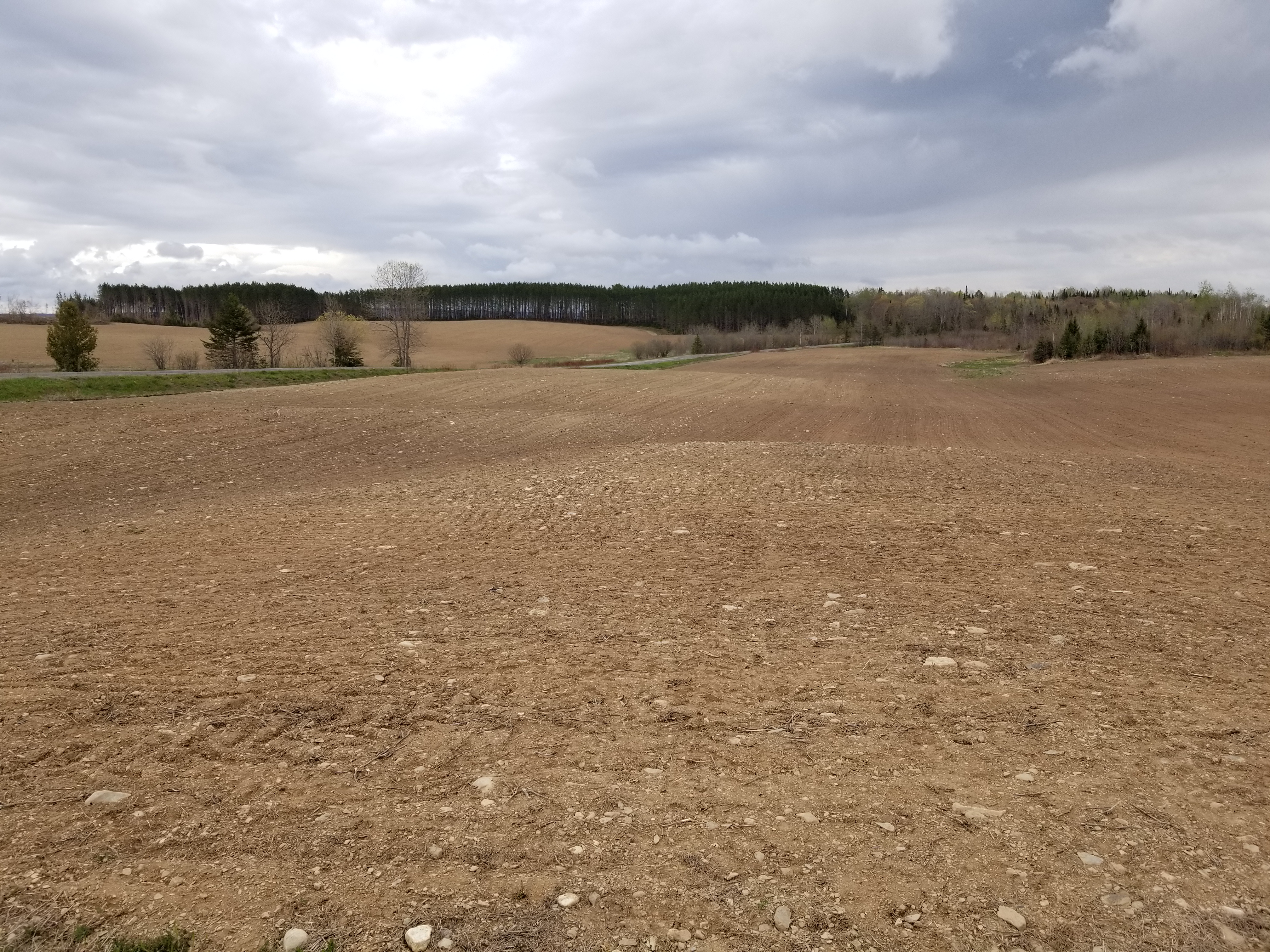
Tillage erosion is a form of soil erosion that occurs in cultivated fields due to the movement of soil by tillage. It results in soil degradation, leading to significant reduction in crop yield and economic losses for farms. Tillage erosion contributes to water pollution and loss of biodiversity. The USDA provides resources and support for farmers adopting conservation tillage practices, while the European Union has implemented policies to support sustainable agriculture practices.
🌾 Origins & History
Tillage erosion has been a concern for farmers and researchers. However, the exact timeline of when it was first studied is unclear. Tillage erosion occurs when soil is disturbed by tillage, causing it to be transported downslope by gravity. This process can be exacerbated by factors such as slope steepness, soil type, and tillage intensity.
🚜 How It Works
The impact of tillage erosion is significant, as it can lead to soil degradation, reduced crop yields, and economic losses for farmers. Tillage erosion also contributes to environmental problems, such as water pollution and loss of biodiversity.
📊 Key Facts & Numbers
Several key people and organizations are working to address tillage erosion. Researchers like David Montgomery and Rattan Lal are working to develop new technologies and strategies for mitigating tillage erosion. Additionally, organizations like the World Wildlife Fund and the Nature Conservancy are working to promote sustainable agriculture practices and reduce the environmental impact of tillage erosion.
👥 Key People & Organizations
Tillage erosion has significant cultural and social implications, particularly in rural communities where agriculture is a primary source of income. The loss of fertile soil and reduced crop yields can have devastating effects on local economies and food security.
🌍 Cultural Impact & Influence
Currently, tillage erosion is a major concern in many parts of the world. Researchers and organizations are working to develop new technologies and strategies for mitigating tillage erosion. The USDA provides resources and support for farmers adopting conservation tillage practices, while the European Union has implemented policies to support sustainable agriculture practices.
⚡ Current State & Latest Developments
There are several controversies and debates surrounding tillage erosion, including the role of tillage in soil erosion and the effectiveness of conservation tillage practices. Some researchers argue that tillage is necessary for soil preparation and crop production, while others argue that it is a major contributor to soil erosion.
🤔 Controversies & Debates
Looking to the future, it is likely that tillage erosion will continue to be a major concern in agricultural lands worldwide. However, with the development of new technologies and strategies for mitigating tillage erosion, it is possible to reduce its impact and promote sustainable agriculture practices.
🔮 Future Outlook & Predictions
Practically, tillage erosion can be addressed through the adoption of conservation tillage practices. Farmers can also use cover crops and crop rotations to promote soil health and reduce soil erosion. The USDA provides resources and support for farmers adopting conservation tillage practices.
💡 Practical Applications
Related topics and deeper reading on tillage erosion include soil erosion, conservation tillage, and sustainable agriculture. Researchers and organizations are working to develop new technologies and strategies for mitigating tillage erosion, and there are many resources available for farmers and policymakers looking to address this issue.
Key Facts
- Origin
- Global
- Category
- nature
- Type
- concept