
Contents
Overview
The concept of scalability has its roots in the early days of computing, where systems like IBM's mainframes set the stage for understanding how to manage increased loads. As businesses grew, the need for scalable solutions became apparent, leading to the development of cloud computing platforms such as AWS and Microsoft Azure. These platforms allow companies to scale their resources dynamically, but they also introduce complexities in cost management, as seen in the case of Netflix, which must balance its streaming capacity against subscription pricing.
⚙️ How It Works
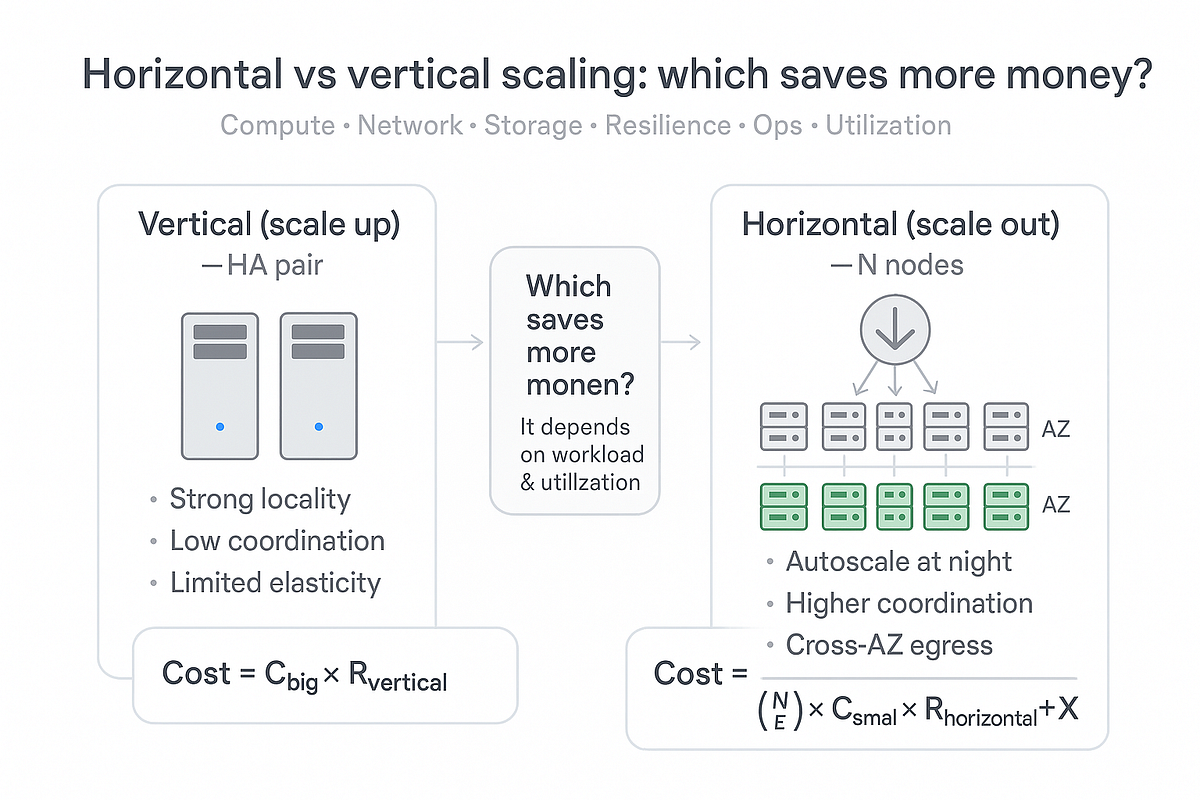
Understanding how scalability works involves recognizing the different models available, such as vertical and horizontal scaling. Vertical scaling, or scaling up, involves adding resources to a single node, while horizontal scaling, or scaling out, distributes the load across multiple nodes. Companies like Facebook and Twitter have successfully implemented horizontal scaling to accommodate millions of users, but this often comes at a higher cost due to the need for additional infrastructure and maintenance. The challenge lies in optimizing these models to achieve the best performance-to-cost ratio.
🌍 Cultural Impact
The cultural impact of the scalability-cost trade-off is evident in the tech industry, where startups often face pressure to grow rapidly while keeping costs low. This has led to the rise of lean startup methodologies, popularized by Eric Ries, which emphasize iterative development and efficient resource allocation. Additionally, the gig economy, represented by platforms like Uber and Airbnb, showcases how businesses can scale quickly while managing costs through innovative operational strategies. However, this has also sparked debates about worker compensation and sustainability.
🔮 Legacy & Future
Looking to the future, the trade-off between scalability and cost will continue to evolve with advancements in technology. Emerging trends like edge computing and serverless architectures promise to reduce costs while enhancing scalability, as seen with platforms like Google Cloud Functions. However, as companies adopt these new technologies, they must remain vigilant about potential hidden costs and the implications for their overall business models. The balance between growth and expenditure will remain a pivotal concern for organizations navigating the digital landscape.
Key Facts
- Year
- 2000-present
- Origin
- Global technology and business sectors
- Category
- technology
- Type
- concept
Frequently Asked Questions
What is scalability?
Scalability refers to the capability of a system to handle a growing amount of work or its potential to accommodate growth.
Why is cost management important in scalability?
Cost management is crucial because it ensures that the expenses associated with scaling do not outweigh the benefits of increased capacity.
How do companies like Amazon manage scalability and cost?
Companies like Amazon utilize cloud computing and data analytics to optimize their resources, allowing them to scale efficiently while controlling costs.
What are some examples of scalability challenges?
Challenges include managing increased traffic during peak times, ensuring system reliability, and balancing infrastructure costs.
How does the gig economy relate to scalability and cost?
The gig economy illustrates how businesses can scale quickly by leveraging flexible labor models, but it also raises concerns about worker rights and compensation.