
Contents
Overview
The concept of the substation dates back to the early days of electrical distribution, when Thomas Edison and Nikola Tesla pioneered the development of electrical systems. The first substations were essentially switchyards, where transformers were used to step up or step down voltage levels to facilitate the transmission of electric power over long distances. Today, substations are a common sight in urban and rural areas, with companies like General Electric and Siemens playing a significant role in their design and construction.
⚙️ How It Works
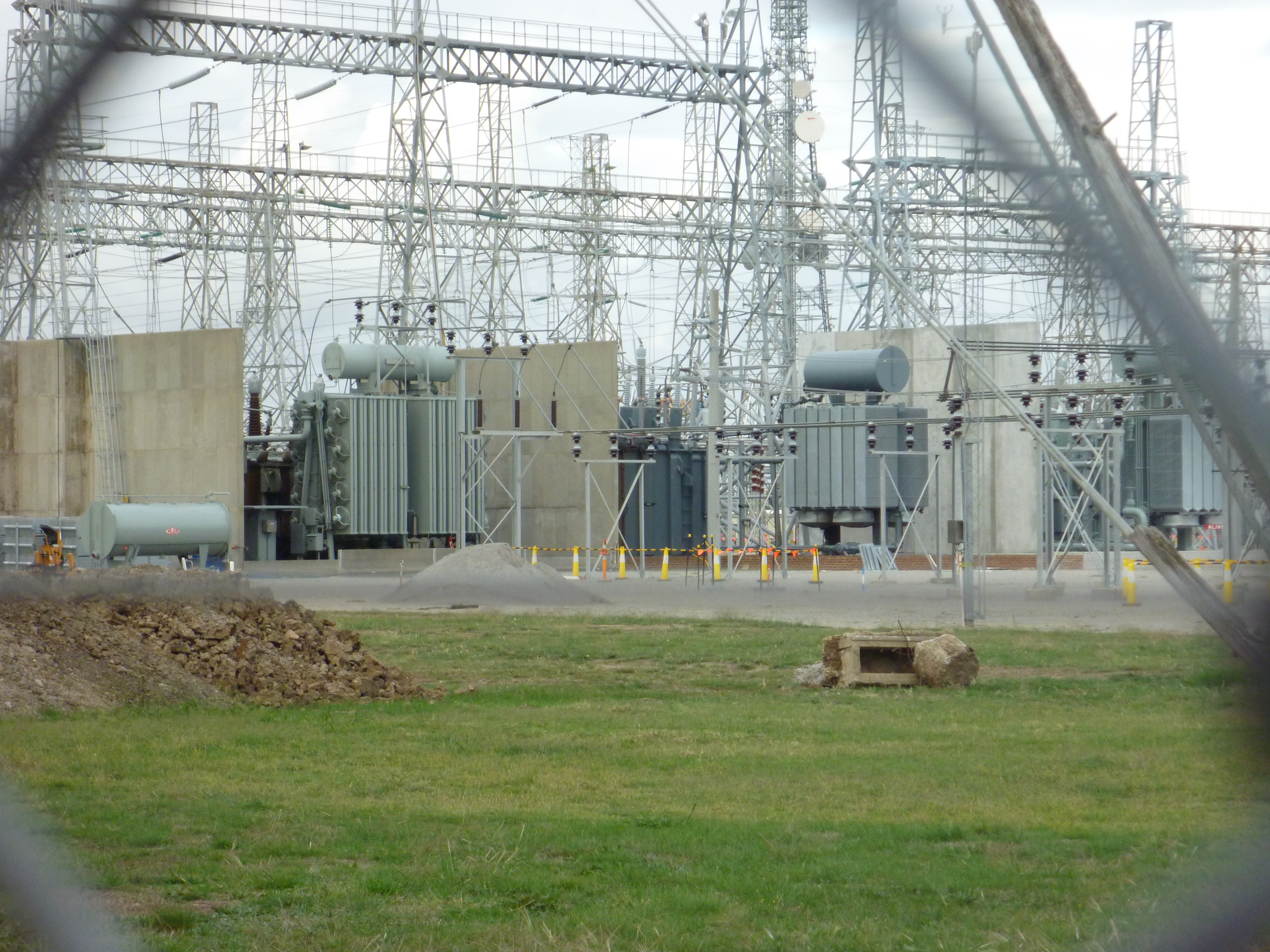
A substation typically consists of transformers, circuit breakers, and other equipment designed to manage the flow of electric power. The SCADA system is a critical component of modern substations, enabling remote supervision and control of the facility. This allows utilities like Exelon and Duke Energy to monitor and manage their substations more efficiently, reducing the risk of power outages and improving overall grid reliability. Substations may also be equipped with renewable energy sources, such as solar panels or wind turbines, to generate electricity and reduce dependence on fossil fuels.
🌐 Cultural Impact
The substation has had a significant impact on modern society, enabling the widespread distribution of electric power and facilitating the growth of industries like manufacturing and technology. Companies like Google and Amazon rely on substations to power their data centers, which are critical infrastructure for the digital economy. The substation has also played a key role in the development of smart grids, which use advanced technologies like IoT and AI to manage energy distribution and consumption more efficiently. As the world transitions to a more sustainable and renewable energy future, the substation will continue to play a vital role in the grid, with companies like Tesla and Vestas leading the charge.
🔮 Legacy & Future
As the energy landscape continues to evolve, the substation is likely to play an even more critical role in the future. With the increasing adoption of electric vehicles and renewable energy sources, substations will need to be designed and constructed with greater flexibility and resilience in mind. Companies like AECOM and Black & Veatch are already working on next-generation substation designs, which incorporate advanced technologies like energy storage and microgrids. As the grid becomes more decentralized and distributed, the substation will need to adapt to these changes, ensuring that electric power is delivered safely, efficiently, and reliably to meet the needs of a rapidly changing world.
Key Facts
- Year
- 1886
- Origin
- United States
- Category
- technology
- Type
- concept
Frequently Asked Questions
What is the primary function of a substation?
The primary function of a substation is to transform voltage levels to facilitate the efficient transmission and distribution of electric power. This is achieved through the use of transformers and other equipment, such as circuit breakers. Companies like General Electric and Siemens design and manufacture these critical components.
How do substations contribute to grid reliability?
Substations play a critical role in ensuring grid reliability by providing a safe and efficient means of transmitting and distributing electric power. The use of SCADA systems enables utilities like Exelon and Duke Energy to monitor and manage their substations remotely, reducing the risk of power outages and improving overall grid resilience.
What is the future of substations in the energy landscape?
As the energy landscape continues to evolve, substations will need to adapt to the increasing adoption of electric vehicles and renewable energy sources. Companies like Tesla and Vestas are leading the charge in the development of next-generation substation designs, which incorporate advanced technologies like energy storage and microgrids.
How do substations impact the environment?
Substations can have a significant impact on the environment, particularly if they are not designed and constructed with sustainability in mind. However, companies like AECOM and Black & Veatch are working to develop more environmentally friendly substation designs, which incorporate renewable energy sources and reduce waste. The use of energy-efficient equipment and materials is also becoming more prevalent in substation construction.
What are the benefits of using SCADA systems in substations?
The use of SCADA systems in substations provides numerous benefits, including improved grid reliability, increased efficiency, and enhanced security. Utilities like Exelon and Duke Energy can monitor and manage their substations remotely, reducing the risk of power outages and improving overall grid resilience. The use of SCADA systems also enables the integration of renewable energy sources and energy storage systems, which can help to reduce the environmental impact of the grid.