
Contents
Overview
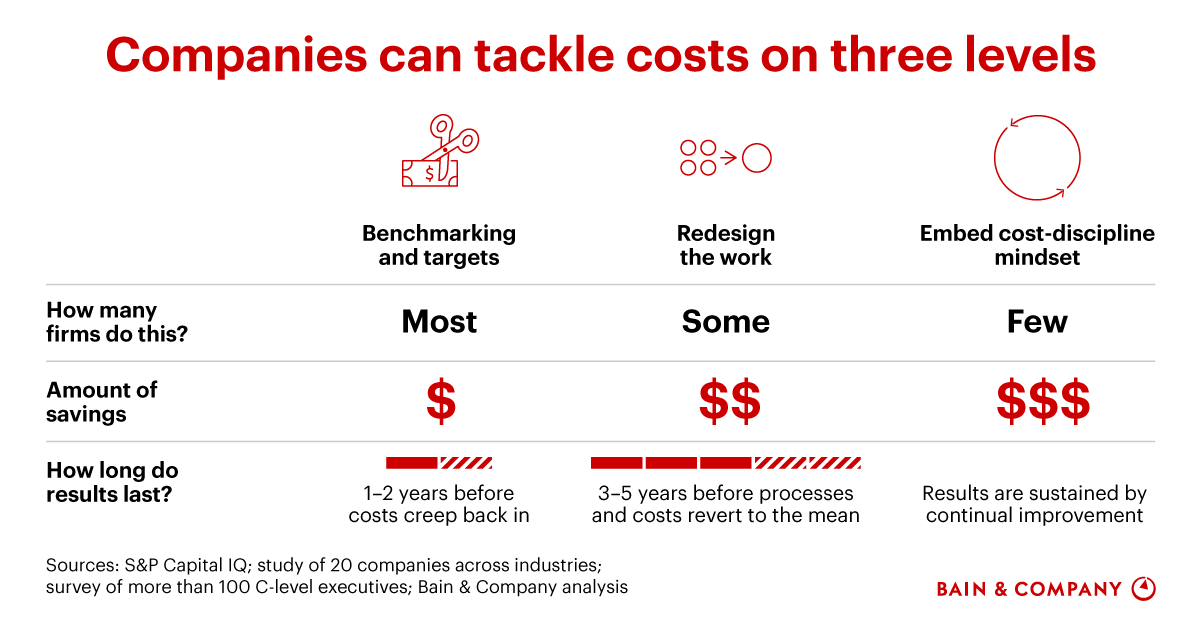
The concept of managing organizational finances has evolved significantly, moving beyond simple expense reduction to a more nuanced approach of strategic cost management. Early financial strategies often focused on immediate cost cutting, a practice that, while providing short-term relief, could inadvertently harm long-term viability. As seen in discussions from sources like Forbes and Harvard Business Review, the realization has dawned that indiscriminate cuts can stifle innovation and damage morale, as exemplified by the potential negative impacts of across-the-board budget reductions. This shift reflects a growing understanding that financial health is not just about spending less, but about spending smarter, a principle that underpins the evolution from basic cost cutting to sophisticated cost optimization strategies, as discussed by experts like Jim DeLoach.
⚙️ How It Works: Optimization vs. Reduction
The core difference between simple expense cutting and strategic reinvestment lies in their objectives and methodologies. Expense cutting, often termed 'hard savings,' focuses on immediate reductions in current spending, directly impacting the profit and loss statement, as noted by Ramp. In contrast, cost avoidance, or 'soft savings,' prevents future expenses from materializing, requiring careful documentation and projection. Strategic cost optimization, as detailed by BCG and Intuit, involves a deeper analysis of value chains and cost drivers, aiming to reallocate resources from less productive areas to those that drive innovation, customer engagement, and competitive advantage. This approach, often leveraging technologies like AI and automation, ensures that savings are not just retained but actively used to fuel growth and enhance operational efficiency, as advocated by publications like Nuspark Profit.
🌍 Cultural Impact: Shifting Mindsets for Growth
Adopting a strategy of reinvesting cost savings cultivates a fundamentally different organizational culture compared to one focused solely on cutting expenses. When savings are viewed as investments, employees are more likely to see opportunities for improvement and innovation rather than fearing job losses or project cancellations. This mindset shift, emphasized by PwC and Intuit, encourages a proactive approach to financial management, where teams are empowered to identify efficiencies and propose strategic reallocations. This contrasts sharply with the often demoralizing effects of across-the-board cuts, which can lead to decreased productivity and employee engagement, as discussed in Harvard Business Review. The 'Save, Reinvest, Profit' model, as highlighted by Nuspark Profit, fosters a continuous cycle of improvement and growth.
🔮 Legacy & Future: Sustaining Competitive Advantage
The long-term legacy of strategic reinvestment of cost savings is a more resilient and adaptable organization poised for sustained growth. Unlike reactive cost-cutting measures that can create short-term gains but long-term weaknesses, strategic financial management builds enduring competitive advantages. By investing savings into areas like technology upgrades, employee training, or market expansion, companies can enhance their capabilities and market position, as suggested by BCG and Forbes. This approach ensures that financial discipline is not a one-time event but an ongoing process, embedded within the organizational culture and supported by robust performance management systems, ultimately leading to greater profitability and market leadership, as explored in articles from Intuit and Harvard Business Review.
Key Facts
- Year
- 2023-2026
- Origin
- Business and Financial Strategy
- Category
- movements
- Type
- concept
Frequently Asked Questions
What is the primary difference between cost cutting and cost optimization?
Cost cutting typically involves reducing current expenses to achieve immediate savings, often through across-the-board reductions. Cost optimization, on the other hand, is a more strategic and continuous process that aims to maximize business value by analyzing costs, identifying inefficiencies, and reallocating resources to areas that drive growth and long-term profitability. As highlighted by Forbes and Intuit, optimization focuses on 'getting it right' by ensuring effectiveness before seeking efficiency.
Why is reinvesting cost savings considered more beneficial than simple expense cutting?
Reinvesting cost savings allows businesses to fuel growth, innovation, and operational improvements, as discussed by Nuspark Profit and BCG. Simple expense cutting, while providing short-term relief, can inadvertently harm long-term competitiveness by reducing investments in critical areas like R&D, marketing, or employee development, as warned by Harvard Business Review and PwC.
How does a company culture influence the success of cost management strategies?
A culture that views cost savings as investments rather than mere cuts fosters greater employee engagement and encourages proactive identification of efficiencies, as emphasized by PwC and Intuit. This contrasts with a culture focused solely on expense cutting, which can lead to fear, reduced morale, and a lack of strategic thinking, as noted in Harvard Business Review.
What are some key areas where reinvesting cost savings can yield significant long-term benefits?
Strategic reinvestment can yield significant benefits in areas such as technology adoption (AI, automation), employee training and development, marketing and sales force productivity, innovation and R&D, and market expansion. These investments, as detailed by BCG and Forbes, contribute to enhanced operational efficiency, stronger competitive positioning, and sustainable growth.
What is the difference between 'hard savings' and 'soft savings' in cost management?
'Hard savings' (cost savings) are direct reductions in current spending that are immediately visible on financial statements, as explained by Ramp. 'Soft savings' (cost avoidance) are projected future expenses that are prevented from occurring, requiring careful documentation and estimation. Both are important for overall financial health, but they are measured and reported differently.
References
- forbes.com — /sites/jimdeloach/2025/06/02/prioritize-cost-optimization-over-cost-cutting-to-a
- ramp.com — /blog/cost-avoidance-vs-cost-savings
- hbr.org — /2023/07/cost-cutting-that-makes-you-stronger
- nusparkprofit.com — /save-reinvest-profit-business-growth/
- focusfinancial.com — /cost-savings-vs-cost-avoidance/
- intellify.com — /blog/cost-savings-analysis-can-it-benefit-your-business-operations
- bcg.com — /capabilities/cost-management
- investopedia.com — /terms/c/cost-cutting.asp