
Contents
Overview
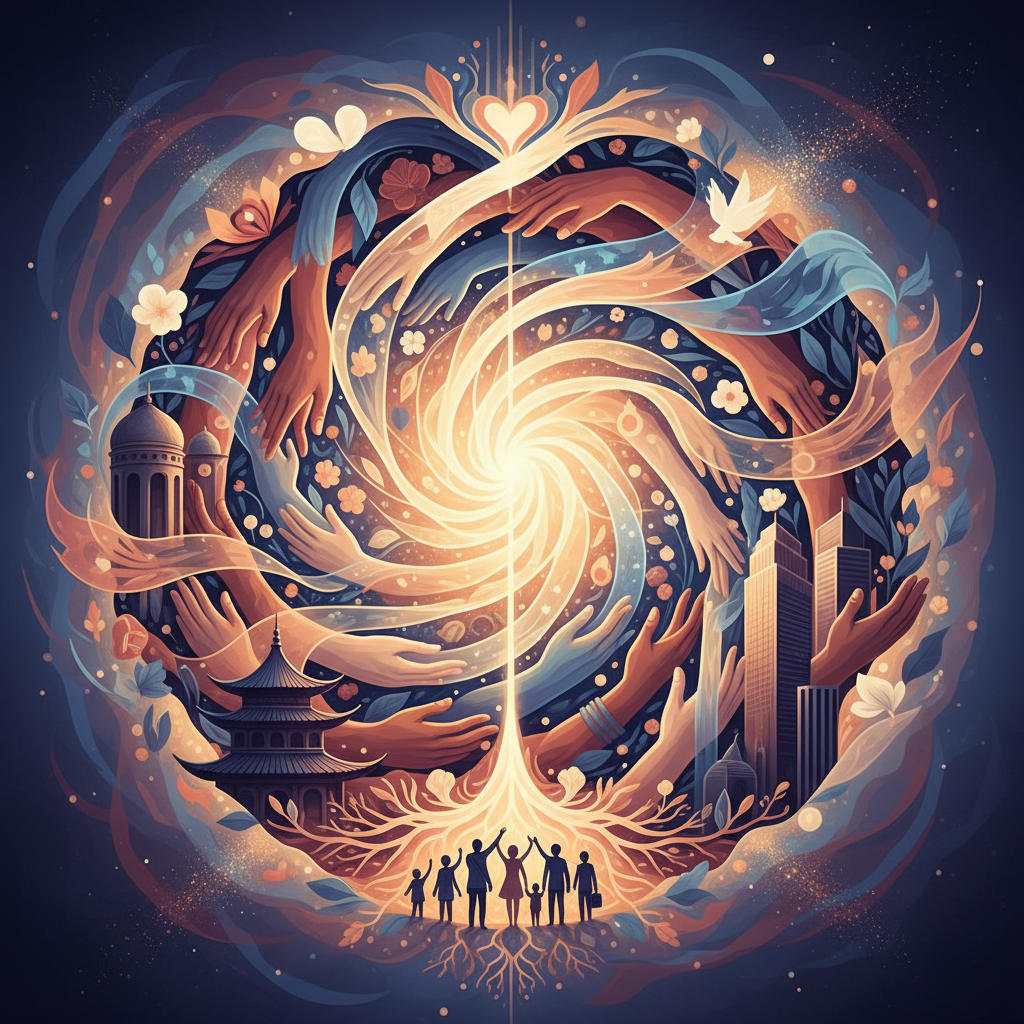
The spirit of giving has its roots in ancient civilizations, where philosophers like Aristotle and Confucius emphasized the importance of generosity and kindness. This idea was further developed by religious leaders like Jesus Christ, Buddha, and Muhammad, who taught the value of compassion, empathy, and selflessness. In modern times, the spirit of giving has been embodied by individuals like Oprah Winfrey, who has donated millions to charitable causes, and companies like Google, which has pledged to use its resources to address global challenges like climate change and inequality. As observed by sociologists like Émile Durkheim and Robert Putnam, the spirit of giving can also be facilitated by social networks like Facebook, Twitter, and LinkedIn, which provide opportunities for people to connect, share, and collaborate on social causes.
💡 How It Works
The spirit of giving is driven by a complex interplay of psychological, social, and cultural factors. Research by psychologists like Jonathan Haidt and Dan Ariely has shown that acts of giving can stimulate the release of endorphins, dopamine, and other neurotransmitters associated with feelings of pleasure, happiness, and social connection. This can create a positive feedback loop, where the act of giving reinforces the desire to give, and vice versa. The spirit of giving is also influenced by cultural norms, social expectations, and personal values, which can vary significantly across different societies and individuals. For example, the concept of 'ubuntu' in African cultures, which emphasizes the importance of community and mutual support, can foster a strong spirit of giving and reciprocity. Similarly, the idea of 'dhana' in Hinduism and Buddhism, which encourages generosity and detachment, can inspire individuals to cultivate a spirit of giving and selflessness.
🌈 Cultural Impact
The cultural impact of the spirit of giving is profound and far-reaching. It can inspire social movements, like the Civil Rights Movement, which was fueled by the selfless efforts of individuals like Martin Luther King Jr. and Rosa Parks. It can also drive economic development, as seen in the rise of social entrepreneurship and impact investing, which aim to address social and environmental challenges while generating financial returns. The spirit of giving can also shape our personal relationships, as observed by researchers like Robert Cialdini and Barry Schwartz, who have shown that acts of kindness and generosity can strengthen social bonds, build trust, and foster a sense of community. As noted by philosophers like Jean-Jacques Rousseau and Immanuel Kant, the spirit of giving can also have a profound impact on our moral and ethical development, as it encourages us to consider the needs and well-being of others, and to act with empathy, compassion, and respect.
🔮 Legacy & Future
The legacy and future of the spirit of giving are closely tied to the challenges and opportunities of the 21st century. As the world grapples with issues like climate change, inequality, and social injustice, the spirit of giving can play a critical role in inspiring collective action, fostering social cohesion, and driving positive change. This can be seen in the rise of global movements like Giving Tuesday, which encourages people to donate to charitable causes, and the growth of social impact investing, which seeks to address social and environmental challenges while generating financial returns. As observed by futurists like Ray Kurzweil and Yuval Noah Harari, the spirit of giving can also be facilitated by emerging technologies like artificial intelligence, blockchain, and biotechnology, which can provide new platforms, tools, and opportunities for people to make a positive impact. However, as noted by critics like Naomi Klein and Slavoj Žižek, the spirit of giving can also be co-opted by neoliberal ideologies and corporate interests, which can undermine its radical potential and reinforce existing power structures.
Key Facts
- Year
- 2020
- Origin
- Global
- Category
- culture
- Type
- concept
Frequently Asked Questions
What is the spirit of giving?
The spirit of giving refers to the impulse to contribute to the well-being of others, often without expectation of reward or reciprocity.
How can I cultivate the spirit of giving?
You can cultivate the spirit of giving by volunteering, donating to charitable causes, and engaging in acts of kindness and generosity towards others.
What are the benefits of the spirit of giving?
The benefits of the spirit of giving include increased social connection, personal growth, and a sense of community, as well as positive impacts on mental and physical health.
How can I get involved in the spirit of giving?
You can get involved in the spirit of giving by researching local charities, volunteering your time, and donating to causes that align with your values.
What are some notable examples of the spirit of giving?
Notable examples of the spirit of giving include the philanthropic efforts of individuals like Bill Gates, Warren Buffett, and Oprah Winfrey, as well as the work of organizations like the Red Cross, UNICEF, and the Bill and Melinda Gates Foundation.