
Contents
Overview
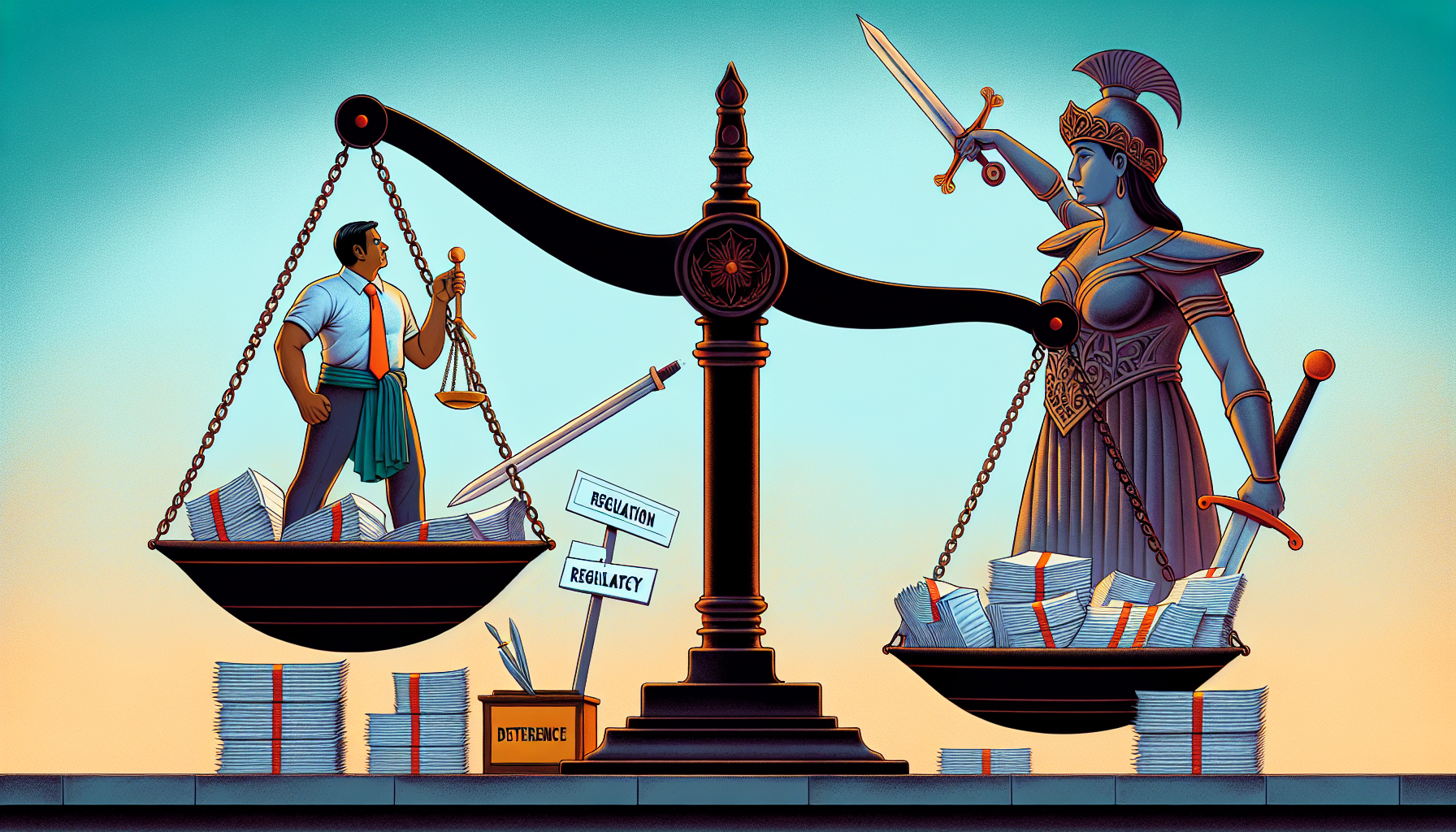
Deterrence theory, a concept rooted in economics and philosophy, suggests that the threat of punishment or penalty can influence individual and corporate behavior. As noted by Gary Becker, a pioneer in the field of law and economics, deterrence can be an effective tool in shaping compliance. The work of Becker and other scholars, such as George Stigler, has been influential in shaping regulatory policies. For instance, the Securities and Exchange Commission (SEC) and the Financial Industry Regulatory Authority (FINRA) have implemented deterrence-based compliance frameworks, which have been informed by the research of academics like Cass Sunstein and Richard Thaler.
🚫 Application in Regulatory Compliance
The application of deterrence theory in regulatory compliance is multifaceted. Regulators use a range of strategies, including fines, penalties, and reputational damage, to deter non-compliant behavior. As observed by experts like Daniel Kahneman, the threat of punishment can be an effective deterrent, but it must be balanced with the need to encourage compliance rather than simply punishing non-compliance. The use of deterrence theory in regulatory compliance has been explored in various contexts, including financial regulation, environmental protection, and consumer safety. For example, the Dodd-Frank Act, signed into law by President Barack Obama, introduced a range of deterrence-based measures to regulate the financial industry, while the Environmental Protection Agency (EPA) has used deterrence theory to enforce environmental regulations.
📈 Impact on Corporate Behavior
The impact of deterrence theory on corporate behavior is significant. Companies like Enron and WorldCom, which have faced severe penalties for non-compliance, serve as cautionary tales. As noted by scholars like Joseph Heath, the threat of punishment can influence corporate decision-making, leading to a culture of compliance. However, the use of deterrence theory can also have unintended consequences, such as encouraging a culture of fear rather than compliance. To mitigate these risks, regulators must carefully design compliance frameworks that balance deterrence with incentives for good behavior. For instance, the use of compliance rewards, such as reduced fines or reputational benefits, can encourage companies to prioritize compliance. As observed by experts like Tim Harford, the use of data analytics and behavioral insights can help regulators design more effective compliance strategies.
🔍 Future Directions and Challenges
The future of deterrence theory in regulatory compliance is likely to be shaped by emerging trends and challenges. The increasing use of technology, such as artificial intelligence and blockchain, is likely to create new opportunities for deterrence-based compliance strategies. However, it also raises concerns about the potential for unintended consequences, such as biased algorithms or unregulated markets. As noted by scholars like Lawrence Lessig, the use of technology in regulatory compliance must be carefully considered to ensure that it supports, rather than undermines, the goals of deterrence theory. To address these challenges, regulators must engage in ongoing dialogue with experts from academia, industry, and civil society to ensure that deterrence theory remains a effective tool in promoting regulatory compliance.
Key Facts
- Year
- 2008
- Origin
- United States
- Category
- philosophy
- Type
- concept
Frequently Asked Questions
What is deterrence theory?
Deterrence theory is a concept in economics and philosophy that suggests that the threat of punishment or penalty can influence individual and corporate behavior.
How is deterrence theory applied in regulatory compliance?
Regulators use a range of strategies, including fines, penalties, and reputational damage, to deter non-compliant behavior.
What are the implications of deterrence theory for corporate governance?
The use of deterrence theory can influence corporate decision-making, leading to a culture of compliance, but it can also have unintended consequences, such as encouraging a culture of fear rather than compliance.
What are the key challenges facing the use of deterrence theory in regulatory compliance?
The increasing use of technology, such as artificial intelligence and blockchain, raises concerns about the potential for unintended consequences, such as biased algorithms or unregulated markets.
How can regulators design more effective compliance frameworks using deterrence theory?
Regulators must carefully balance deterrence with incentives for good behavior, and engage in ongoing dialogue with experts from academia, industry, and civil society to ensure that deterrence theory remains a effective tool in promoting regulatory compliance.