
Contents
Overview
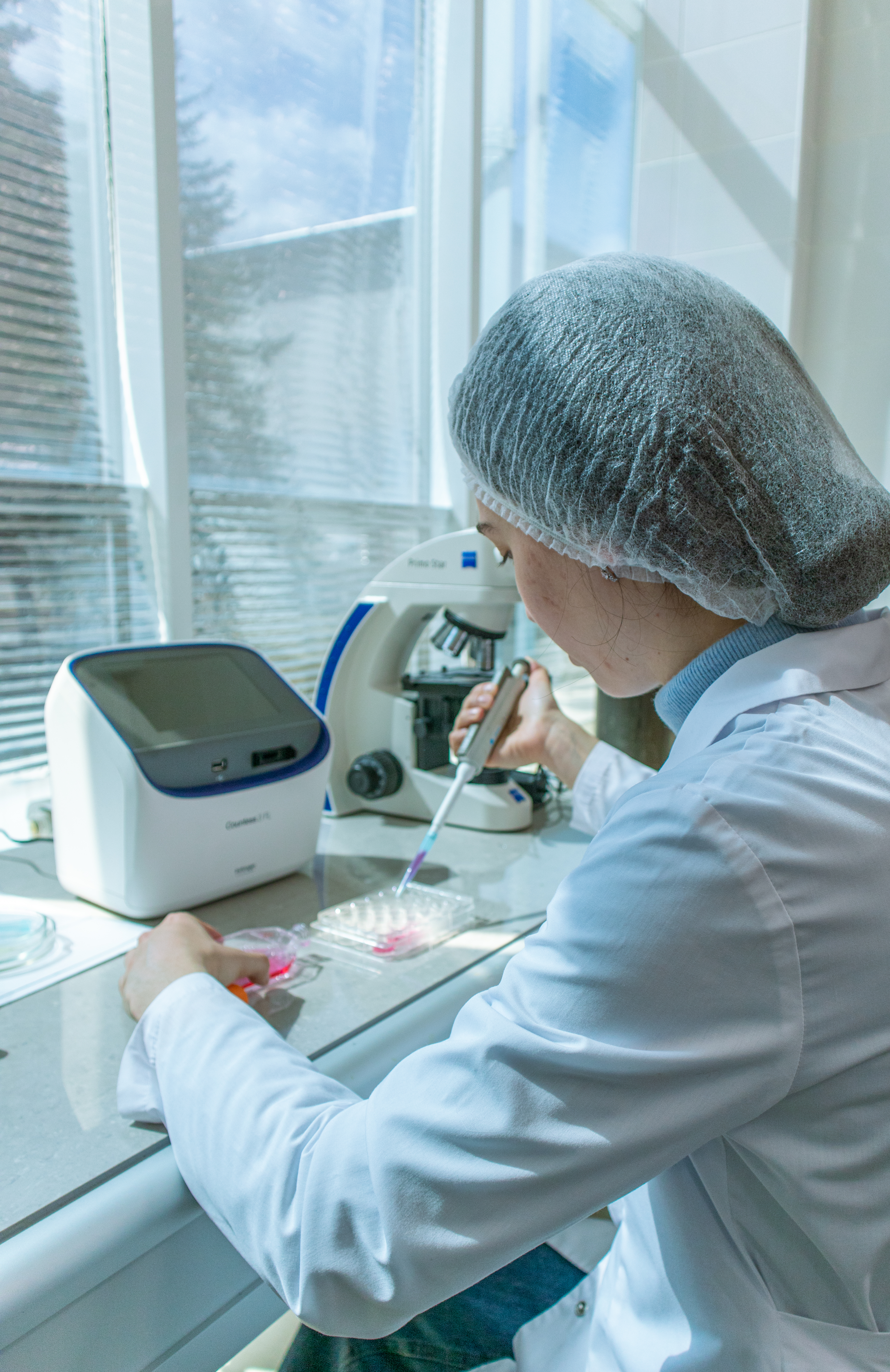
The concept of biotechnology has been around since 1919, when Károly Ereky first coined the term. However, it wasn't until the 1970s that biotechnology began to gain momentum as a distinct field of research. Today, biotechnology is a multidisciplinary field that involves the integration of natural sciences and engineering sciences to achieve the application of organisms and parts thereof for products and services. Companies like Monsanto and Syngenta have been at the forefront of biotechnology research, developing innovative solutions for sustainable agriculture. For instance, Golden Rice is a genetically modified crop that has the potential to alleviate vitamin A deficiency in developing countries.
🧬 How It Works
Biotechnology works by harnessing biological systems and organisms, such as bacteria, yeast, and plants, to perform specific tasks or produce valuable substances. One of the key techniques used in biotechnology is genetic engineering, which allows scientists to modify the genetic makeup of organisms to achieve desired outcomes. This can involve inserting genes from one organism into another, and consequently, creating new traits. For example, scientists at University of California, Berkeley have used genetic engineering to develop microorganisms that can produce biofuels, such as butanol. Additionally, companies like Amyris are using biotechnology to produce sustainable chemicals and fuels.
🌎 Cultural Impact
The cultural impact of biotechnology in sustainable development is significant. Biotechnology has the potential to transform industries and promote a more environmentally friendly future. For instance, biodegradable plastics developed by companies like Ecovative can replace traditional plastics, reducing waste and pollution. Moreover, biotechnology can improve crop yields, reduce pesticide use, and promote sustainable agriculture practices. Organizations like the World Wildlife Fund and the United Nations Environment Programme are working together to promote sustainable development and reduce the environmental impact of human activities. The Paris Agreement is a notable example of international cooperation to address climate change and promote sustainable development.
🔮 Legacy & Future
The legacy and future of biotechnology in sustainable development are closely tied to the development of new technologies and the addressing of societal challenges. As the field continues to evolve, we can expect to see new innovations and applications of biotechnology that promote sustainability and reduce environmental impact. For example, the use of CRISPR gene editing technology has the potential to revolutionize the field of biotechnology, enabling scientists to make precise edits to the genetic code of organisms. Companies like Editas Medicine are already exploring the potential of CRISPR to develop new treatments for genetic diseases. Furthermore, the development of synthetic biology is enabling scientists to design and construct new biological systems, such as microbes that can produce biofuels or clean up environmental pollutants.
Key Facts
- Year
- 1919
- Origin
- Hungary
- Category
- science
- Type
- concept
Frequently Asked Questions
What is biotechnology?
Biotechnology is a multidisciplinary field that involves the integration of natural sciences and engineering sciences to achieve the application of organisms and parts thereof for products and services. Companies like Novartis and Pfizer are using biotechnology to develop new treatments for diseases. For example, genetically modified organisms are being used to produce insulin for diabetes treatment.
How does biotechnology contribute to sustainable development?
Biotechnology contributes to sustainable development by providing innovative solutions for environmental, agricultural, and industrial challenges. For instance, biotechnology can improve crop yields, reduce pesticide use, and promote sustainable agriculture practices. Organizations like the Food and Agriculture Organization and the International Fund for Agricultural Development are working together to promote sustainable agriculture practices. The use of precision agriculture techniques, such as GPS and drones, can also help reduce waste and improve crop yields.
What are some examples of biotechnology in sustainable development?
Examples of biotechnology in sustainable development include the development of biodegradable plastics, the use of genetic engineering to improve crop yields, and the production of biofuels from microorganisms. Companies like Cargill and DuPont are already using biotechnology to develop sustainable products. For example, bio-based plastics are being developed from renewable biomass sources, such as corn starch and sugarcane.
What are the challenges and limitations of biotechnology in sustainable development?
The challenges and limitations of biotechnology in sustainable development include the need for further research and development, the potential risks and uncertainties associated with genetic engineering, and the need for regulatory frameworks to ensure safe and responsible use of biotechnology. Organizations like the World Health Organization and the Environmental Protection Agency are working together to develop guidelines and regulations for the use of biotechnology in sustainable development. The Cartagena Protocol is a notable example of international cooperation to regulate the use of genetically modified organisms.
How can biotechnology be used to address climate change?
Biotechnology can be used to address climate change by developing sustainable products, improving crop yields, and reducing waste. For example, biotechnology can be used to develop biofuels from microorganisms, which can reduce greenhouse gas emissions from transportation. Companies like ExxonMobil and Shell are already investing in biotechnology research to develop sustainable energy solutions. The use of carbon capture and storage technologies can also help reduce emissions from industrial sources.