
Contents
Overview
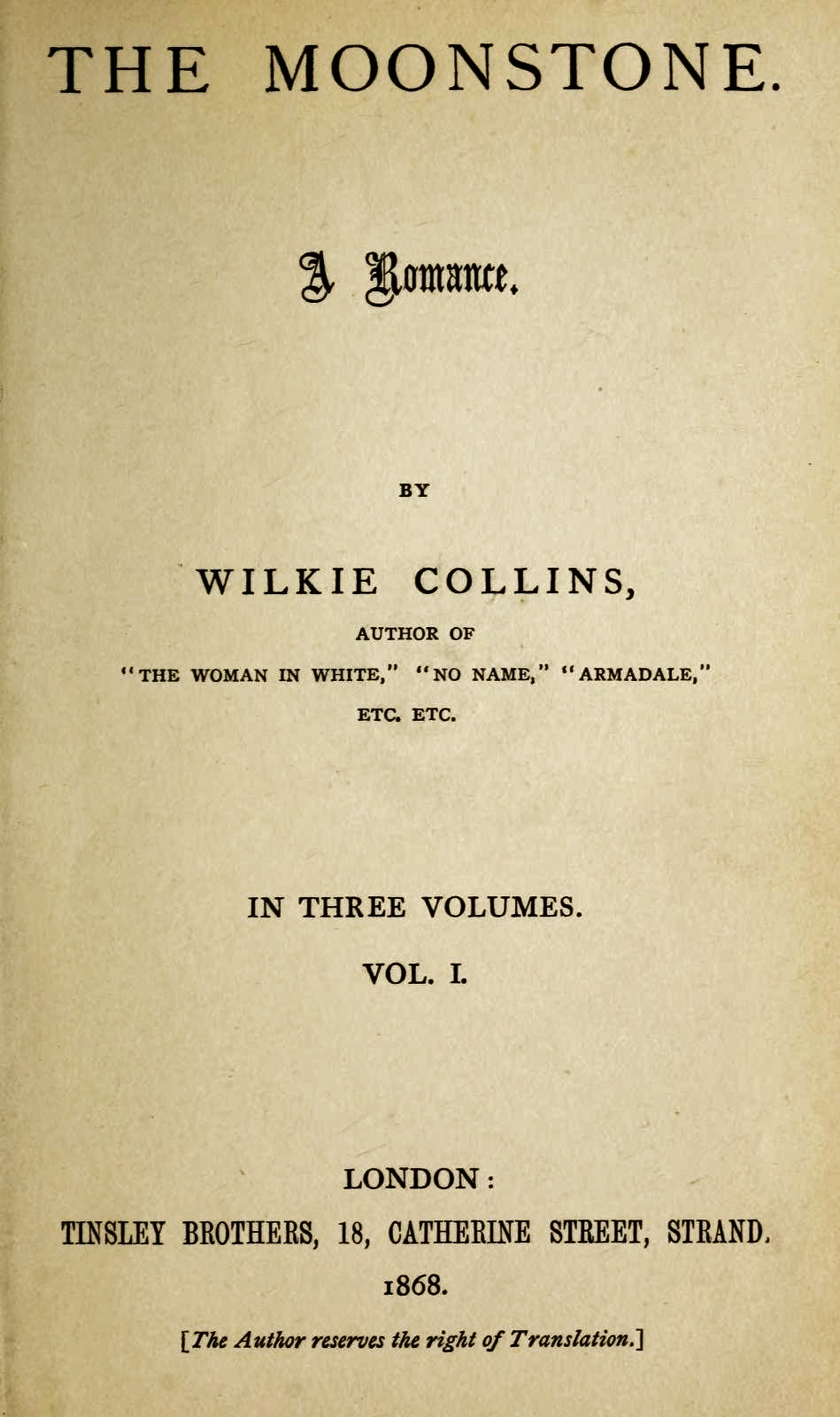
Wilkie Collins's 1868 novel, The Moonstone, is a foundational text in crime fiction. The novel is about the theft and superstition surrounding a stolen Indian diamond. The novel's structure is epistolary, unfolding through first-person accounts from various characters, offering multiple perspectives and fostering suspense. This innovative approach, coupled with its intricate plot and psychological depth, set a precedent for countless mystery writers, including Arthur Conan Doyle and Agatha Christie, solidifying its status as a landmark literary achievement with a cultural energy score of 85.
🎵 Origins & History
Wilkie Collins, a close friend of Charles Dickens, penned The Moonstone during a period of intense literary output, drawing inspiration from contemporary events and his fascination with the occult and colonial narratives. The novel's serialization appeared in All the Year Round, a weekly periodical known for its serialized fiction. The narrative structure uses testimonies from various characters, a deliberate choice to mimic the piecing together of evidence, a technique that would become a hallmark of the genre.
⚙️ How It Works
The narrative engine of The Moonstone is its ingenious epistolary structure, a mosaic of firsthand accounts that gradually reveal the truth behind the disappearance of the titular diamond. Each narrator, from the earnest Sergeant Cuff, the detective brought in to solve the crime, to the devoted Nancy Blake (later Rachel Verinder), the diamond's owner, offers a unique, often biased, perspective. This method forces the reader to actively participate in the investigation, sifting through conflicting testimonies and unreliable memories to construct a coherent picture. The plot hinges on a series of misdirections, red herrings, and psychological insights, moving beyond simple whodunit to explore themes of greed, obsession, and the lingering effects of colonial exploitation, all while meticulously detailing the investigative process.
📊 Key Facts & Numbers
The novel was first published by Longmans, Green, Reader & Dyer. The novel's enduring appeal is reflected in its consistent presence on lists of the greatest British novels, often cited as outselling many of its contemporaries in terms of sustained readership.
👥 Key People & Organizations
Wilkie Collins (1824-1889) stands as the singular authorial force behind The Moonstone. His close friendship with Charles Dickens, who published the novel in his magazine All the Year Round, was instrumental in its dissemination. Key characters within the narrative include the detective Sergeant Cuff, whose methodical approach sets a standard for fictional investigators, and the enigmatic Franklin Blake, whose own role in the diamond's disappearance becomes a central mystery. Nancy Blake (later Rachel Verinder) serves as the diamond's owner and a pivotal narrator, while the manipulative Clotilde (better known as 'Miss Clack') provides a distinctly self-serving account. The novel also features the Indian Brahmins, whose pursuit of the diamond adds a layer of supernatural dread and colonial commentary.
🌍 Cultural Impact & Influence
The influence of The Moonstone on the detective fiction genre is immeasurable. Collins's meticulous plotting, the introduction of a flawed but brilliant detective in Sergeant Cuff, and the use of multiple narrators to create suspense and ambiguity laid the groundwork for subsequent masters of the genre. Arthur Conan Doyle's creation of Sherlock Holmes owes a significant debt to Collins's innovations, as does Agatha Christie's intricate puzzle-box plotting. The novel's exploration of psychological depth and social commentary also elevated the mystery genre beyond simple entertainment, influencing writers like Dorothy L. Sayers and P.D. James. Its cultural resonance is evident in its continued adaptation and study within literary circles.
⚡ Current State & Latest Developments
In 2024 and 2025, The Moonstone continues to be a staple in academic curricula and a subject of ongoing literary analysis. Recent scholarly articles published in journals like Victorian Studies and Novel: A Forum on Fiction explore its themes of colonialism, gender, and narrative reliability in new light. While no major new adaptations have been announced for immediate release, the novel's enduring popularity ensures its presence in print and digital formats, with publishers like Penguin Classics and Oxford World's Classics regularly reissuing it. The ongoing debate about its status as the 'first' detective novel continues, with scholars comparing it to earlier works such as Edgar Allan Poe's Murders in the Rue Morgue (1841).
🤔 Controversies & Debates
The primary controversy surrounding The Moonstone centers on its claim to be the 'first' detective novel. While its structural innovations and focus on methodical investigation are undeniable, some critics point to earlier works, such as Edgar Allan Poe's Murders in the Rue Morgue (1841), which featured an early detective figure in C. Auguste Dupin, as precursors. Another point of contention is the novel's portrayal of Indian culture and the diamond's origins, which some scholars argue reflects colonial biases prevalent in Victorian England, while others see it as a critique of such attitudes. The reliability of the various narrators, particularly Franklin Blake and Nancy Blake, also sparks debate regarding their true motives and understanding of events.
🔮 Future Outlook & Predictions
The future of The Moonstone appears secure, given its foundational status in a perennially popular genre. Future adaptations, whether for film, television, or stage, are highly probable, likely to re-examine its themes through a contemporary lens, perhaps focusing more on the colonial critique or the psychological complexities of its characters. Academic interest is also expected to remain robust, with scholars continuing to uncover new interpretations of its narrative techniques and social commentary. The ongoing digital humanities movement may also lead to new interactive analyses of its complex structure and character relationships, potentially revealing patterns previously unseen. The novel's legacy as a progenitor of the detective genre ensures its continued relevance for at least the next century.
💡 Practical Applications
While The Moonstone is primarily a literary work, its structural and narrative innovations have had practical applications in fields beyond fiction. The concept of piecing together fragmented information from multiple sources to solve a problem is fundamental to digital forensics, intelligence analysis, and even journalism in the digital age. The epistolary method, showcasing how different perspectives can shape understanding, is a valuable tool in qualitative research and user experience design, where understanding user journeys and feedback from various stakeholders is crucial. Furthermore, the novel's exploration of psychological motivations and the unreliability of memory informs fields like psychology and law, particularly in understanding witness testimony and criminal intent.
Key Facts
- Category
- culture
- Type
- topic